Diagnostic Panels
Testing for Mould Species
When mould is suspected or detected in your home, identifying the specific species present is critical for determining health risks and selecting the most effective treatment approach. Diagnostic panels offer laboratory-grade analysis that goes far beyond visual inspection, revealing exactly what is growing in your indoor environment.
What Are Mould Diagnostic Panels?
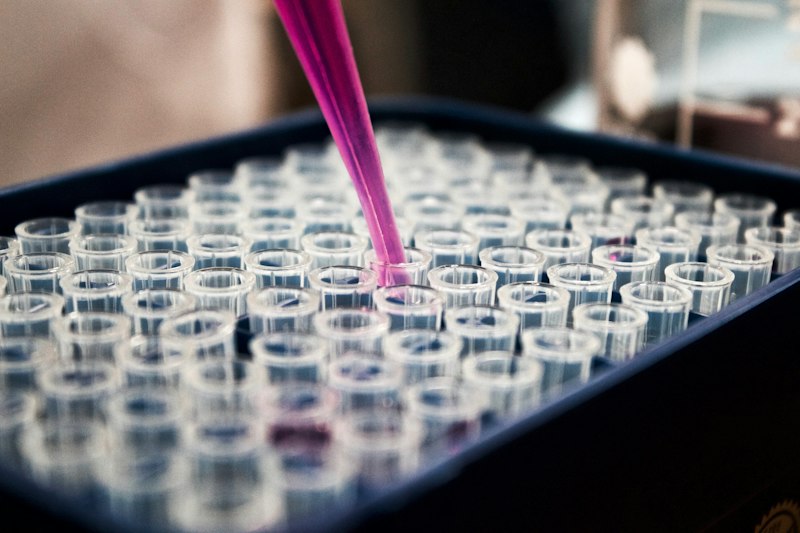
A mould diagnostic panel is a comprehensive laboratory test that identifies and quantifies the specific species of mould present in air, surface, or bulk material samples collected from your property. Unlike simple visual inspections, these panels provide precise scientific data about the microbial contamination affecting your home.
These tests analyse samples using microscopy, culture methods, or molecular techniques such as PCR (polymerase chain reaction) to detect fungal DNA. The results reveal not only which species are present, but also their concentration levels, helping professionals assess the severity of contamination and potential health implications.
- Air sampling captures airborne spore concentrations in different rooms
- Surface sampling collects visible or suspected mould from walls, ceilings, or furnishings
- Bulk sampling analyses materials like drywall, insulation, or carpet for embedded colonies
- Results include species identification, spore counts, and comparison to outdoor baseline levels
Why Species Identification Matters
Not all moulds pose the same level of risk. Some species produce mycotoxins that can cause severe respiratory problems, neurological symptoms, or immune suppression. Others are relatively benign but indicate serious moisture problems that require immediate attention.
Stachybotrys chartarum, commonly known as black mould, is one of the most concerning species due to its production of potent trichothecene mycotoxins. Aspergillus fumigatus can cause invasive infections in immunocompromised individuals. Cladosporium and Penicillium species, while less toxic, are common allergens that worsen asthma and rhinitis symptoms.
Accurate identification allows remediation professionals to tailor treatment protocols, implement appropriate safety measures during removal, and provide homeowners with specific health guidance based on the species detected.
Laboratory testing is the only way to definitively identify toxic mould species. Visual inspection alone cannot distinguish between harmless and hazardous moulds.
Common Mould Species Found in Sydney Homes
The subtropical coastal climate of Sydney creates ideal conditions for several mould species. Diagnostic panels in local properties frequently identify Aspergillus, Penicillium, Cladosporium, and Alternaria as the dominant genera.
Aspergillus species thrive in warm, humid conditions and are commonly found in air conditioning systems, damp walls, and flooded materials. Penicillium species often colonise water-damaged building materials and can produce musty odours. Cladosporium is frequently detected on window frames, fabrics, and in areas with condensation issues.
- Aspergillus niger and Aspergillus fumigatus — respiratory irritants, can cause aspergillosis in vulnerable individuals
- Stachybotrys chartarum — produces mycotoxins, linked to severe respiratory and neurological symptoms
- Penicillium chrysogenum — common allergen, causes persistent respiratory irritation
- Cladosporium sphaerospermum — one of the most common indoor moulds, allergenic but less toxic
- Alternaria alternata — outdoor species that enters homes, strong allergen triggering asthma
Types of Diagnostic Testing Methods
Several laboratory methods are used depending on the sample type and investigation goals. Air sampling collects spores from indoor air using spore traps or impaction devices and is ideal for assessing overall air quality and hidden contamination sources.
Surface swabs or tape lifts capture mould from visible growth areas or suspected surfaces. These samples are analysed under microscopy or cultured in the lab to identify species and assess viability. Bulk sampling involves removing a piece of affected material, such as drywall or carpet, for comprehensive analysis of deep colonisation.
DNA-based PCR testing provides the fastest and most sensitive results, detecting even non-viable spores and identifying species that are difficult to culture. Culture-based methods take longer but provide information about active, living colonies.
Understanding Your Test Results
Diagnostic panel reports typically include spore counts measured in colony-forming units per cubic metre of air or per square centimetre of surface. These numbers are compared to outdoor baseline samples and established indoor air quality standards.
A balanced indoor environment should have lower spore concentrations than outdoor air and should not contain amplification of specific problematic species. If indoor levels exceed outdoor levels, or if toxic species like Stachybotrys are detected, remediation is strongly recommended.
The report will also classify species by risk level, noting which are allergenic, toxigenic, or pathogenic. Your remediation specialist will interpret these findings and recommend appropriate action based on the specific species identified and their concentrations.
Elevated indoor spore counts compared to outdoor air, or detection of toxigenic species at any level, warrant immediate professional remediation.
When Diagnostic Testing Is Recommended
Diagnostic panels are particularly valuable when visible mould is present but the extent of contamination is unknown, when health symptoms suggest mould exposure but no visible growth is apparent, or after water damage or flooding to assess microbial colonisation before materials are sealed in walls.
Testing is also critical before purchasing a property, especially older homes in humid coastal suburbs of Sydney, and after remediation to confirm successful clearance and verify that spore levels have returned to safe baselines.
For homes with occupants who have asthma, allergies, or compromised immune systems, regular air quality testing provides peace of mind and early detection of developing problems.
Professional Testing with Nanotise
Nanotise offers comprehensive forensic mould inspections using advanced diagnostic panels and laboratory analysis. Our senior consultants use thermal imaging, moisture meters, and targeted sampling to identify hidden contamination sources and collect samples from high-risk areas.
All samples are sent to accredited Australian laboratories for analysis, with results typically available within 5-7 business days. We provide detailed interpretation of findings, health risk assessment, and tailored remediation plans based on the specific species identified in your property.
With over 16 years of experience in Sydney mould remediation, our team understands the local climate challenges and the species most commonly affecting homes in coastal and harbour suburbs. Our TGA-registered treatments target the identified species and include long-term protection with CRX nanotechnology barrier systems.
- Thermal imaging and moisture mapping to guide sampling locations
- Air, surface, and bulk sampling using industry-standard protocols
- Accredited laboratory analysis with species-level identification
- Detailed reports with health risk interpretation and remediation recommendations
- Post-treatment clearance testing to verify successful remediation
Key Takeaways
- Diagnostic panels provide laboratory identification of specific mould species present in your home
- Different species pose different health risks — testing determines appropriate treatment protocols
- Common Sydney moulds include Aspergillus, Penicillium, Cladosporium, and Stachybotrys species
- Air, surface, and bulk sampling methods each serve different diagnostic purposes
- Test results compare indoor concentrations to outdoor baselines and identify toxigenic species
- Professional testing is recommended after water damage, before property purchase, or when health symptoms suggest mould exposure
Frequently Asked Questions
Costs vary based on the number of samples and testing methods used. A basic air quality test typically ranges from 200 to 400 dollars per sample, while comprehensive panels analysing multiple rooms may cost 800 to 1500 dollars. Professional inspection fees are usually separate from laboratory analysis costs.
Standard culture-based testing takes 5-7 business days as the samples must be incubated and colonies grown for identification. DNA-based PCR testing can provide results within 24-48 hours but is typically more expensive. Your inspector will advise on turnaround times when samples are collected.
While DIY test kits are available, professional sampling is strongly recommended for accurate results. Improper collection techniques, contamination, or sampling the wrong locations can produce misleading data. Professionals use calibrated equipment and follow standardised protocols to ensure reliable results.
Detection of toxigenic species like Stachybotrys requires immediate professional remediation. Occupants with respiratory conditions, allergies, or weakened immune systems should minimise time in affected areas until treatment is complete. Your remediation specialist will implement containment and removal protocols specific to the identified species.
Mould Testing
Laboratory-grade mould testing to identify species, measure contamination levels, and assess health risks.
Learn MoreMould Inspection
Comprehensive forensic mould inspections using thermal imaging, moisture meters, and air quality testing.
Learn MoreMould Removal Sydney
Professional mould removal services across Sydney using TGA-registered treatments and nanotechnology barrier protection.
Learn MoreConcerned About Mould?
Our senior consultants provide expert assessments and tailored treatment plans for Sydney homes and businesses. 16+ years of experience.