Mould Removal from
Living Areas Sydney
When mould appears in the rooms where your family spends the most time — bedrooms, lounges, studies, and hallways — it creates direct, prolonged health exposure that demands professional attention.
Nanotise has been treating mould in Sydney living areas for over 16 years, addressing contamination on walls, ceilings, furnishings, and within the building fabric of the spaces you occupy daily. Our comprehensive approach treats visible mould, identifies hidden contamination, and resolves the moisture conditions that brought mould into your living spaces in the first place. mould removal services
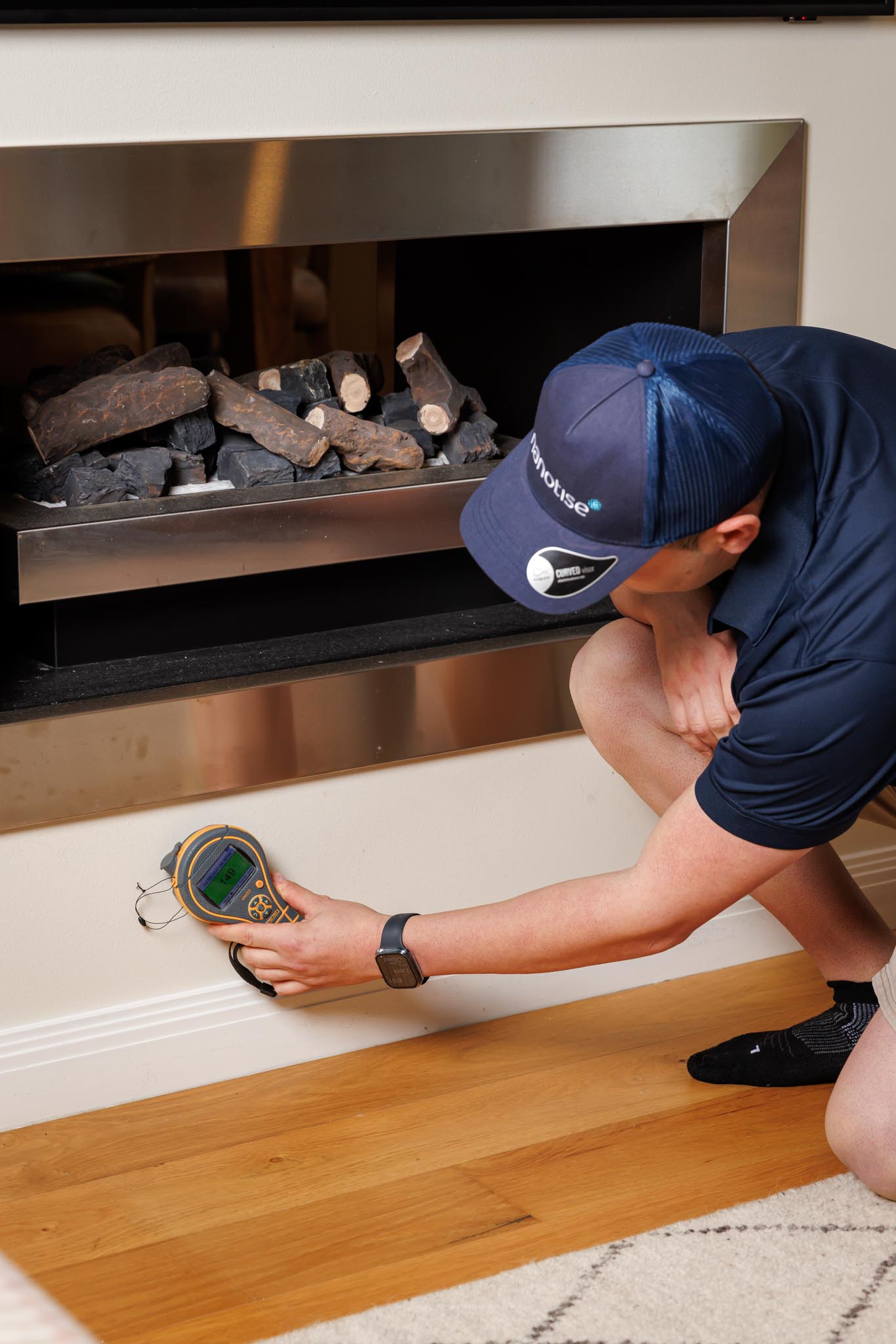
Quick Overview: Living Area Mould Treatment
Whole-room treatment: Comprehensive remediation of walls, ceilings, carpets, and soft furnishings in affected living spaces
Air quality restoration: HEPA filtration and treatment to reduce airborne spore counts in rooms your family uses daily
Furnishing assessment: Honest guidance on what can be treated versus what requires replacement for health safety
Hidden mould detection: Investigation behind furniture, within cavities, and beneath flooring where contamination hides
Long-term prevention: Ventilation, humidity, and maintenance strategies keeping living spaces mould-free

Why Sydney Homeowners Choose Nanotise for Living Area Mould
Sydney homeowners trust Nanotise because living area mould isn't just unsightly — it means your family is breathing contaminated air during sleep, relaxation, study, and everyday life. These are the rooms where exposure is longest and the need for thorough, lasting treatment is greatest.
Common Causes of Living Area Mould in Sydney
Our Living Area Mould Treatment Process
Full Room Assessment
Comprehensive inspection of all surfaces including walls, ceilings, flooring, window frames, and furnishings. We check behind furniture, inside wardrobes, and use moisture meters to identify hidden contamination and moisture sources.
Contents and Furnishings Evaluation
Assessment of mould-affected furniture, soft furnishings, curtains, mattresses, and personal items. Honest guidance on what can be professionally treated versus what should be replaced for health safety.
HEPA Air Scrubbing
Deployment of HEPA air scrubbers to capture airborne spores during treatment, preventing cross-contamination to unaffected rooms and beginning the air quality restoration process in treated spaces.
Surface Mould Treatment
Professional antimicrobial treatment of all affected surfaces — walls, ceilings, window frames, skirting boards, and hard furnishings. Treatment eliminates active mould and addresses spore contamination on every surface.
Cavity and Hidden Source Treatment
Where wall or ceiling cavity contamination is identified, cavity gassing treatment addresses hidden mould behind plasterboard and within building fabric that surface treatment cannot reach.
Antifungal Protection and Prevention
Application of CRX antifungal treatment to surfaces, combined with specific ventilation and humidity management recommendations tailored to your living areas and lifestyle to prevent recurrence.

Signs Your Living Areas Need Professional Mould Treatment
Visible Mould on Walls and Ceilings
Black, green, or grey patches on walls, ceiling corners, window frames, or behind furniture indicate established contamination requiring professional treatment. Visible growth often represents only a fraction of total mould present.
Musty Odours in Rooms
Persistent musty or earthy smells in bedrooms, lounges, or hallways indicate mould growing on surfaces, within cavities, or in soft furnishings. Odours may intensify when rooms are closed or during humid weather.
Mould on Furniture and Belongings
Mould appearing on furniture surfaces, leather goods, shoes in wardrobes, books, or stored items indicates elevated humidity and spore levels in living spaces requiring environmental correction, not just item cleaning.
Condensation on Windows
Persistent window condensation, particularly in bedrooms, indicates humidity levels supporting mould growth. Water running down windows and pooling on sills creates localised mould and signals broader humidity problems.
Health Symptoms in Specific Rooms
Family members experiencing worsening allergies, congestion, or respiratory symptoms in particular rooms — especially bedrooms upon waking — may be reacting to mould contamination in those spaces.
Mould Behind Furniture
Dark patches discovered when moving furniture away from external walls reveal mould growing in the stagnant, cool air trapped between furniture and walls. This commonly affects bedrooms with beds or wardrobes against external walls.

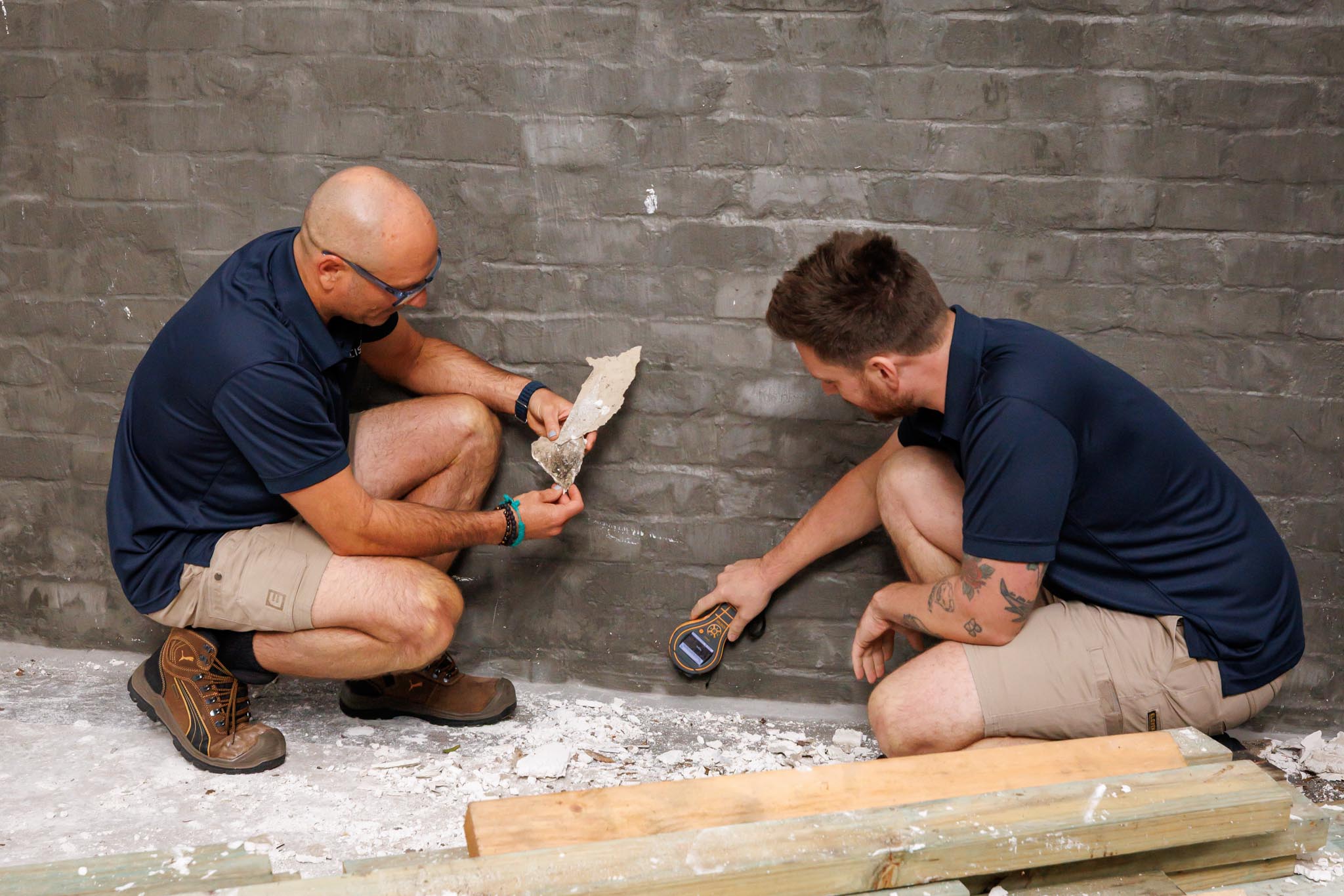
Living Area Surfaces We Treat
Walls and Ceilings
Treatment of painted plasterboard, rendered walls, and ceiling surfaces where mould establishes from condensation, water damage, or cavity moisture migration. Surface treatment combined with cavity assessment ensures comprehensive results.
Window Frames and Sills
Treatment of timber, aluminium, and PVC window frames where condensation promotes persistent mould growth. Assessment of window sealing and ventilation options reducing condensation and preventing recurrence.
Carpet and Flooring
HEPA vacuuming and antimicrobial treatment of mould-affected carpet, assessment of underlay contamination, and treatment of hard flooring surfaces. Honest guidance when carpet replacement is the safer option.
Soft Furnishings and Curtains
Assessment and treatment of mould-affected curtains, upholstered furniture, cushions, and fabric items where contamination can be safely remediated without health risk from residual spores.
Wardrobes and Built-In Storage
Treatment of mould inside wardrobes, cupboards, and storage areas where enclosed, poorly ventilated spaces create ideal mould conditions, particularly against external walls in bedrooms.
Skirting Boards and Architraves
Treatment of timber trim where moisture wicking and condensation promote mould growth along lower wall sections, around door frames, and at wall-floor junctions throughout living areas.
Don't risk your health or your property
Use Sydney's mould removal experts and sleep easy, knowing you've used the best. Contact us now for a mould inspection.
Living Area Mould Across Sydney Property Types
Older Sydney Homes
Heritage homes throughout Glebe, Newtown, Balmain, and Mosman have solid walls with limited insulation, single-glazed windows, and rising damp issues creating persistent condensation and mould in bedrooms and living rooms.
Modern Apartments
High-rise apartments across Sydney CBD, Zetland, and Mascot face living area mould from inadequate ventilation, sealed environments, and building defects. Internal bedrooms without windows are particularly vulnerable.
Family Homes
Suburban homes across Ryde, Strathfield, and the Sutherland Shire face living area mould from daily moisture generation — cooking, bathing, laundry, and occupant breathing — exceeding ventilation capacity in busy households.
Coastal Properties
Homes from Bondi through to Cronulla experience elevated humidity affecting living areas year-round. Salt air accelerates deterioration of window seals and frames, compounding moisture entry and mould conditions.
Townhouses and Terraces
Multi-level living with limited cross-ventilation, shared walls, and compact floor plans creates humidity challenges in bedrooms and living areas throughout the Inner West and Eastern Suburbs.
Investment Properties
Rental properties across Sydney often develop living area mould from deferred maintenance, tenant lifestyle factors, and ventilation inadequacies that go unreported until contamination becomes extensive.
Keeping Your Living Areas Mould-Free in Sydney
Ventilate Daily
Open windows in bedrooms and living areas daily, even briefly during cooler months. Cross-ventilation removes moisture-laden air and prevents the stagnant conditions that promote mould growth on walls and furnishings.
Keep Furniture Away from External Walls
Maintain a gap of at least 50-100mm between furniture and external walls, allowing air circulation that prevents condensation and mould growth in trapped, stagnant spaces behind beds and wardrobes.
Control Indoor Humidity
Use dehumidifiers during humid months, run exhaust fans during cooking and bathing, and avoid drying clothes indoors without adequate ventilation. Aim to keep indoor humidity below 60%.
Address Condensation Promptly
Wipe condensation from windows daily, address the ventilation issues causing it, and consider improving insulation or installing thermal break window frames in rooms with persistent condensation.
Maintain Adequate Heating
Consistent moderate heating during cooler months prevents wall surfaces dropping below dew point. Cold rooms with warm, moist air from adjacent spaces are prime candidates for condensation mould.
Regular Inspection Behind Furniture
Periodically check behind wardrobes, beds, and bookshelves positioned against external walls. Early detection of mould behind furniture allows intervention before contamination spreads across larger areas.
Address Water Damage Immediately
Any water intrusion from roof leaks, plumbing failures, or storm damage must be dried within 24-48 hours. Professional drying of affected living areas prevents mould establishment in walls, flooring, and furnishings.
Frequently Asked Questions
Related Articles
Mould-Induced Asthma: Symptoms and Checklist
Learn how to identify if your asthma flares are caused by hidden fungal growth.
Read ArticleChildren's Health: Respiratory Vulnerability
Why infants and children are more susceptible to airborne mould spores.
Read ArticleAllergic Rhinitis vs. Mould Toxicity
Key differences between seasonal allergies and mould-related illness.
Read ArticleSydney Living Area Mould Specialists
Phone: 1800 NANOTISE
Available for Professional Assessment
Living Space Solutions
Getting Started
Restore Healthy Living Spaces for Your Family
Don't let mould compromise the rooms where your family spends the most time. Our comprehensive treatment restores healthy air quality and addresses the root causes of living area mould.
Verified Client Experiences
Discover why families and businesses across Sydney trust Nanotise for their health-critical sanitisation and mould remediation needs.

Fantastic job and really professional experience from the first enquiry. The team was amazing. Wouldn't hesitate to recommend this company!
I found Nanotise to be fantastic. They assessed the mould issue and fixed it 2 days before Xmas. I now have a home that feels healthy again.
We are very glad we chose Nanotise for the remediation of our facility. It was a huge thing for us and they kept us in the loop all the way.
Fantastic job and really professional experience from the first enquiry. The team was amazing. Wouldn't hesitate to recommend this company!
I found Nanotise to be fantastic. They assessed the mould issue and fixed it 2 days before Xmas. I now have a home that feels healthy again.
We are very glad we chose Nanotise for the remediation of our facility. It was a huge thing for us and they kept us in the loop all the way.


Need more information?