Subfloor Mould
Removal Sydney
Mould hiding beneath your Sydney home's floors is one of the most damaging and overlooked forms of contamination — silently compromising structural timber, degrading indoor air quality, and spreading into living spaces above.
Nanotise has been treating subfloor mould in Sydney homes for over 16 years, addressing contamination on bearers, joists, flooring undersides, and concrete slabs. Our specialised subfloor remediation tackles both the mould itself and the moisture conditions driving growth, protecting your home's structural integrity and your family's health. mould removal services
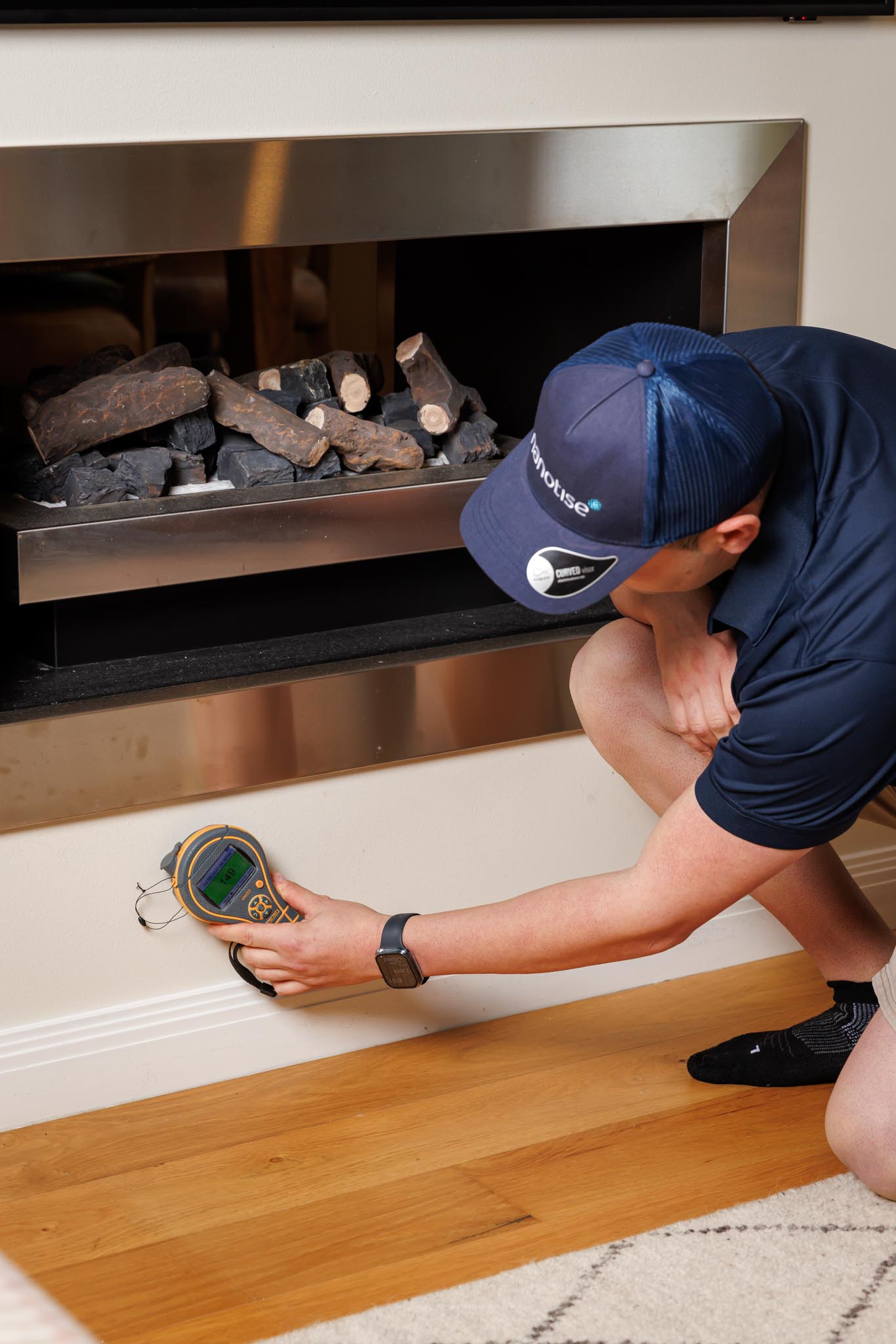
Quick Overview: Subfloor Mould Treatment
Structural timber treatment: Remediation of bearers, joists, and flooring undersides affected by mould contamination
Concrete slab treatment: Decontamination and sealing of mould-affected concrete subfloor surfaces
Moisture source resolution: Identification and correction of drainage, ventilation, and waterproofing failures
Ventilation improvements: Sub-floor ventilation assessment and upgrade recommendations preventing recurrence
Vapour barrier solutions: Installation guidance for moisture barriers protecting subfloor structures long-term

Why Sydney Homeowners Choose Nanotise for Subfloor Mould
Sydney homeowners trust Nanotise because subfloor mould is hidden, complex, and potentially devastating to your home's structure. These aren't cosmetic issues — they're threats to the structural integrity of your property and the air quality your family breathes every day.
Common Causes of Subfloor Mould in Sydney
Our Subfloor Mould Remediation Process
Sub-Floor Access and Inspection
Safe access to sub-floor spaces for thorough visual inspection of all structural elements, identification of mould contamination extent, and assessment of timber condition on bearers, joists, and flooring undersides.
Moisture and Ventilation Assessment
Measurement of sub-floor humidity levels, identification of moisture sources, evaluation of ventilation adequacy, and mapping of drainage patterns to understand why mould conditions have developed.
Structural Condition Evaluation
Assessment of timber integrity, identification of rot or deterioration, evaluation of structural soundness, and recommendations for professional structural review where timber has been compromised by prolonged mould exposure.
Mould Treatment and Decontamination
Application of professional antimicrobial and antifungal treatments to all affected surfaces including bearers, joists, flooring undersides, piers, and sub-floor walls. Treatment addresses both active mould and dormant spores.
Antifungal Protection Application
Application of long-lasting antifungal protection to treated surfaces, creating a barrier that inhibits mould re-establishment and provides ongoing protection for structural timbers in the sub-floor environment.
Ventilation and Moisture Recommendations
Detailed recommendations for ventilation improvements, vapour barrier installation, drainage corrections, and ongoing maintenance ensuring sub-floor conditions remain unfavourable for mould growth long-term.

Signs of Subfloor Mould in Your Sydney Home
Musty Odours Through Floors
Persistent musty or earthy smells rising through floorboards, particularly noticeable on humid days or when heating systems operate, strongly indicate mould contamination in sub-floor spaces beneath your home.
Mould on Floor Surfaces Above
Mould appearing on carpet backing, underside of rugs, or edges of floorboards often originates from sub-floor contamination migrating upward through moisture and spore movement into living spaces.
Increased Allergy Symptoms Indoors
Family members experiencing worsening allergies, respiratory irritation, or asthma symptoms primarily when inside the home may be reacting to spores migrating from sub-floor mould contamination into living areas.
Springy or Soft Flooring
Floors feeling soft, bouncy, or uneven underfoot may indicate timber deterioration from mould and moisture damage to bearers or joists, requiring prompt assessment to prevent structural failure.
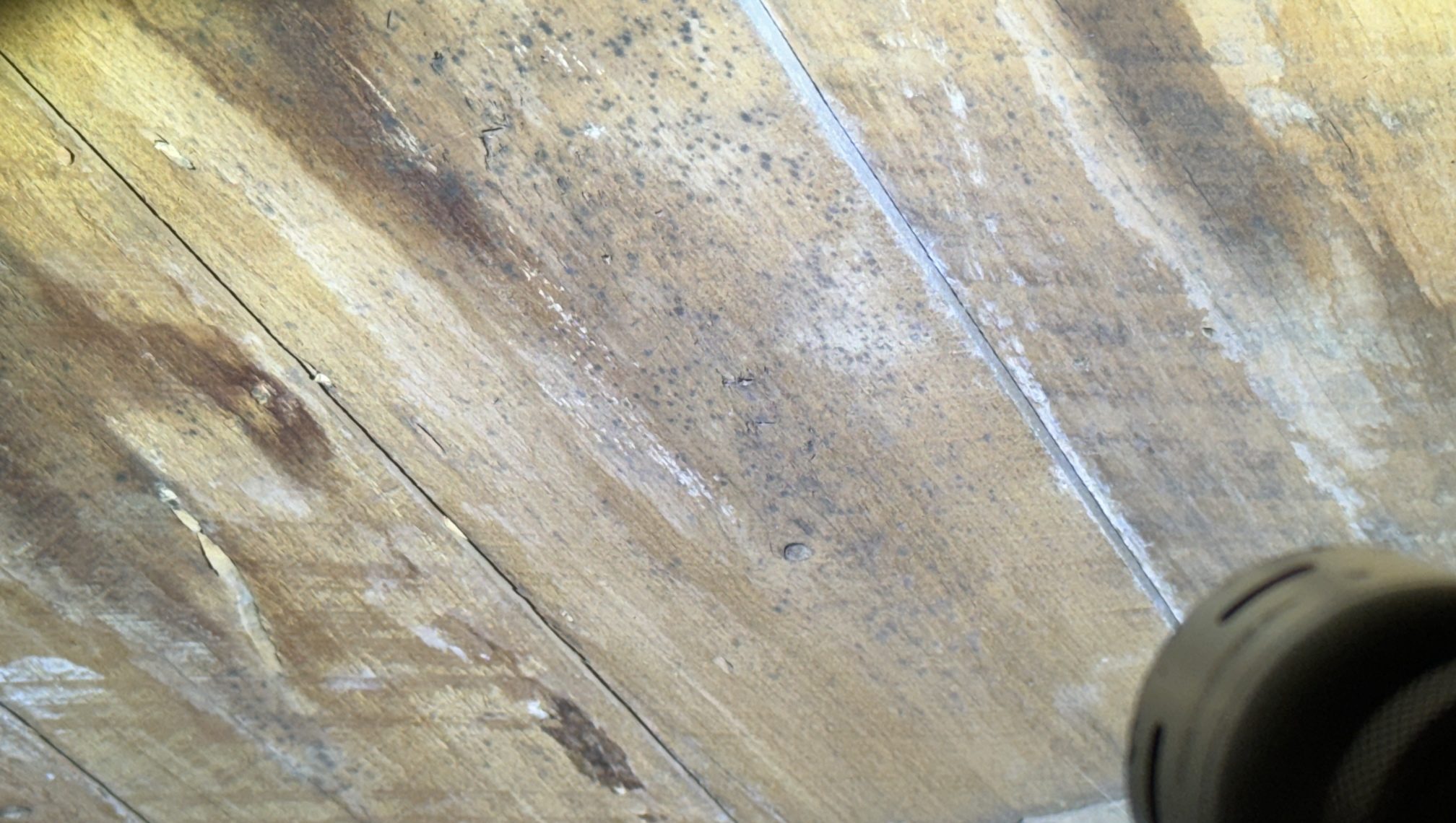
Visible Mould in Sub-Floor Access Points
Mould visible around sub-floor access hatches, ventilation grilles, or where pipes penetrate floors indicates established contamination within sub-floor spaces requiring professional assessment and treatment.
Condensation Beneath the House
Moisture droplets on sub-floor surfaces, damp soil, or water pooling beneath the home indicates humidity levels promoting active mould growth and requiring ventilation or drainage intervention.

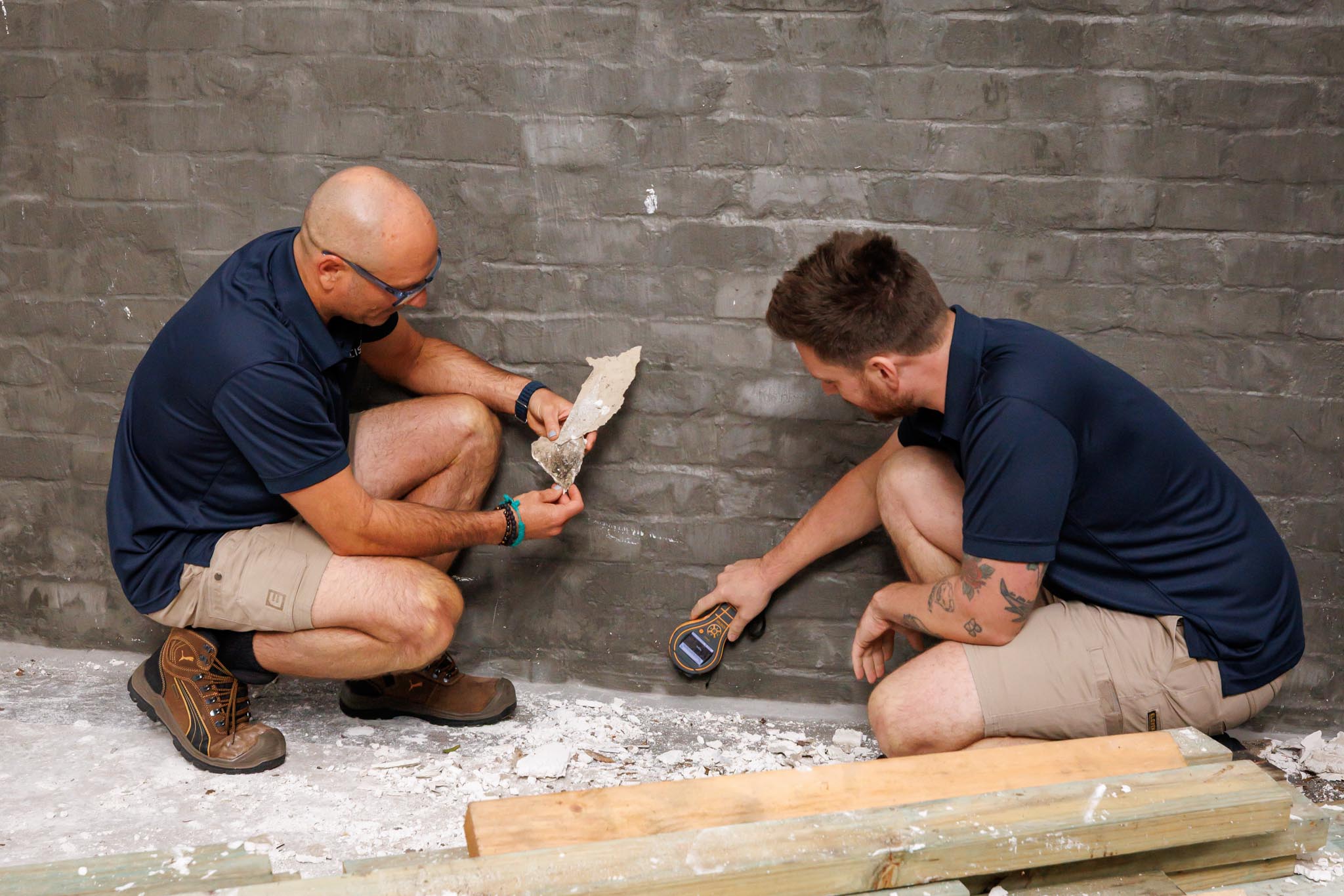
Subfloor Structures We Treat
Bearers and Joists
Treatment of primary structural timbers supporting your floors. These critical members require careful assessment for both mould contamination and structural integrity, with antifungal protection preventing recontamination.
Flooring Undersides
Treatment of the underside of floorboards, sheet flooring, and particle board where mould growth directly affects floor coverings and indoor air quality in living spaces above.
Timber Piers and Posts
Treatment of vertical support structures where ground contact and moisture exposure make them vulnerable to mould and rot. Assessment includes checking for structural compromise requiring replacement.
Concrete Slabs and Footings
Decontamination of concrete surfaces where mould establishes in porous material. Sealing and treatment prevents ongoing spore release and moisture migration through concrete into floor structures above.
Sub-Floor Walls and Foundations
Treatment of retaining walls, foundation walls, and brick surfaces within sub-floor areas where moisture penetration and limited airflow create persistent mould conditions.
Service Penetrations
Treatment around plumbing, electrical, and other service penetrations through floors where gaps allow spore migration into living spaces and moisture entry promotes localised mould growth.
Don't risk your health or your property
Use Sydney's mould removal experts and sleep easy, knowing you've used the best. Contact us now for a mould inspection.

Subfloor Mould Across Sydney Property Types
Federation and Victorian Homes
Heritage homes throughout Balmain, Leichhardt, Annandale, and Mosman typically have raised timber floors with sub-floor spaces prone to ventilation issues, rising damp, and structural timber contamination.
Post-War Fibro and Weatherboard
Homes across Western Sydney suburbs like Blacktown, Penrith, and Campbelltown often have timber sub-floors with aging ventilation, ground moisture issues, and decades of accumulated contamination.
Split-Level and Hillside Homes
Properties on sloping sites throughout the Northern Beaches, Sutherland Shire, and Hills District face water runoff challenges directing moisture beneath lower levels, creating persistent sub-floor mould conditions.
Properties with Enclosed Sub-Floors
Homes where sub-floor spaces have been enclosed by extensions, decking, or landscaping lose critical ventilation, trapping moisture and creating ideal conditions for extensive mould growth.
Flood-Prone Properties
Properties in low-lying areas across Western Sydney face recurring inundation events saturating sub-floor spaces. Rapid professional response after flooding prevents structural timber deterioration and extensive mould establishment.
Renovated Homes with Original Sub-Floors
Properties with modernised living areas above original sub-floor structures often have unaddressed ventilation and moisture issues beneath updated flooring, causing hidden mould problems.
Subfloor Mould Prevention for Sydney Homes
Maintain Sub-Floor Ventilation
Keep all sub-floor vents clear and unobstructed. Ensure garden beds, decking, paving, and stored items don't block airflow. Consider additional vents or mechanical ventilation if current airflow is inadequate.
Install Vapour Barriers
Ground-covering vapour barriers dramatically reduce moisture evaporation into sub-floor spaces. Professional installation over prepared ground surfaces provides long-term protection for structural timbers.
Manage Site Drainage
Ensure stormwater drains away from foundations, maintain gutters and downpipes, and avoid directing garden irrigation toward the house. Proper drainage prevents water accumulating beneath your home.
Fix Plumbing Leaks Promptly
Address any plumbing leaks beneath floors immediately. Even minor drips create localised moisture promoting mould growth that spreads through sub-floor environments over weeks and months.
Avoid Blocking Ventilation
When planning landscaping, decking, extensions, or storage, ensure sub-floor ventilation pathways remain clear. Even partial obstruction significantly reduces airflow effectiveness.
Regular Sub-Floor Inspections
Annual visual inspection of accessible sub-floor areas identifies early mould growth, moisture issues, or ventilation problems before they cause significant contamination or structural damage.
Address Drainage After Heavy Rain
After significant rainfall, check for water pooling beneath the home. Persistent standing water indicates drainage issues requiring correction to protect sub-floor timbers from mould and rot.
Frequently Asked Questions
Related Articles
Floods and Mould in Your Home
After flooding, mould can establish within 24-48 hours. Learn the critical steps to prevent mould damage after water events.
Read ArticleCondensation and Mould in Your Home
Understanding the relationship between condensation and mould growth, and practical steps to reduce moisture in your property.
Read ArticleHow to Stop Mould Coming Back
Proven strategies to prevent mould recurrence through moisture control, ventilation improvements, and professional barrier treatments.
Read ArticleSydney Subfloor Mould Specialists
Phone: 1800 NANOTISE
Available for Professional Assessment
Subfloor Solutions
Getting Started
Protect Your Home's Structure and Air Quality
Don't let hidden subfloor mould compromise your home's structural integrity or your family's health. Our comprehensive sub-floor assessments and proven treatment methods address contamination at its source.
Verified Client Experiences
Discover why families and businesses across Sydney trust Nanotise for their health-critical sanitisation and mould remediation needs.

Fantastic job and really professional experience from the first enquiry. The team was amazing. Wouldn't hesitate to recommend this company!
I found Nanotise to be fantastic. They assessed the mould issue and fixed it 2 days before Xmas. I now have a home that feels healthy again.
We are very glad we chose Nanotise for the remediation of our facility. It was a huge thing for us and they kept us in the loop all the way.
Fantastic job and really professional experience from the first enquiry. The team was amazing. Wouldn't hesitate to recommend this company!
I found Nanotise to be fantastic. They assessed the mould issue and fixed it 2 days before Xmas. I now have a home that feels healthy again.
We are very glad we chose Nanotise for the remediation of our facility. It was a huge thing for us and they kept us in the loop all the way.


Need more information?