Effective Methods of Mould Removal
Removing mould effectively requires more than surface cleaning. The right approach depends on the extent of contamination, the affected materials, and whether underlying moisture issues have been resolved. This guide covers proven methods from surface treatments to professional remediation techniques used across Sydney properties.
Understanding the Scope Before You Begin
Effective mould removal starts with accurate assessment. Before selecting a treatment method, you need to determine the contamination extent, identify the mould species if possible, and locate the moisture source driving the growth.
Small patches under one square metre on non-porous surfaces like tiles or glass can often be addressed with DIY methods. However, extensive growth, porous materials like drywall or carpet, and hidden colonies within wall cavities require professional intervention.
In Sydney, the humid coastal climate means mould often grows in concealed areas. Water damage from storms, roof leaks, or plumbing failures can create extensive hidden contamination that spreads long before visible signs appear on interior surfaces.
- Assess the total affected area across all visible surfaces
- Identify whether mould is on porous or non-porous materials
- Check for musty odours indicating hidden growth behind walls or under floors
- Confirm the moisture source has been identified and can be eliminated
If mould covers more than 3 square metres, appears in multiple rooms, or involves HVAC systems, professional assessment is strongly recommended to prevent health risks during removal.
DIY Surface Cleaning for Minor Contamination
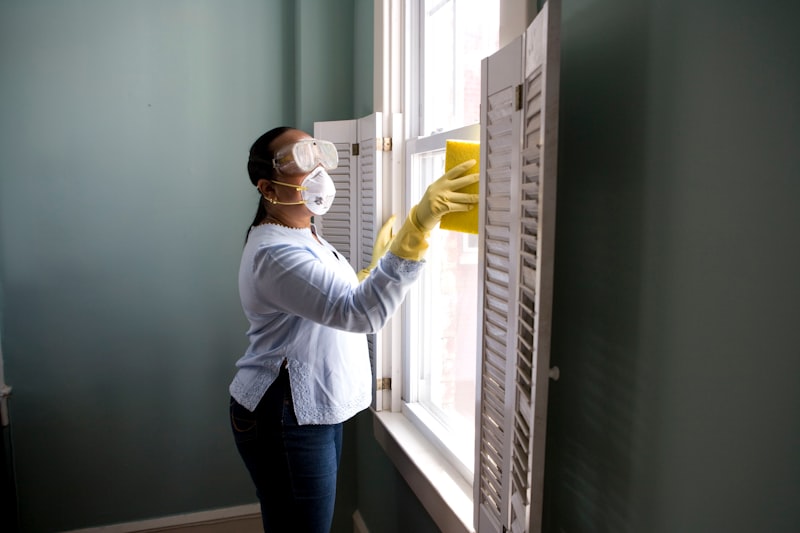
For small, surface-level mould on non-porous materials, several household solutions can be effective when applied correctly. The key is thorough application, adequate contact time, and proper safety precautions including gloves, eye protection, and respiratory masks rated N95 or higher.
White vinegar with 5-8% acetic acid can kill approximately 82% of mould species. Spray undiluted vinegar directly onto the affected area, allow it to sit for at least one hour, then scrub with a stiff brush and rinse with clean water. For tougher growth, hydrogen peroxide at 3% concentration offers stronger antimicrobial action.
Avoid using bleach on porous surfaces like wood or drywall. While bleach appears to remove surface discoloration, it cannot penetrate porous materials where mould roots remain active. Additionally, the moisture introduced by bleach solutions can actually worsen the problem by increasing substrate humidity.
- Always wear protective equipment including gloves, goggles, and respirator
- Ensure the room is well-ventilated with windows open during treatment
- Never mix cleaning products, especially bleach and ammonia
- Dispose of contaminated materials like sponges and cloths immediately after use
Addressing Mould on Porous Materials
Porous materials including drywall, ceiling tiles, carpets, upholstery, and insulation present significant challenges. Once mould penetrates these substrates, surface cleaning is ineffective because fungal roots extend deep into the material structure.
In most cases, removal and replacement is the only reliable solution. Attempting to clean heavily contaminated porous materials often spreads spores throughout the property and leaves active colonies intact. Professional remediation follows strict containment protocols to prevent cross-contamination during removal.
For wood surfaces with early-stage surface mould, specialized fungicidal treatments may be effective if applied before deep penetration occurs. However, structural timber with extensive colonisation typically requires replacement to ensure long-term safety and structural integrity.
Carpets and upholstery that have been wet for more than 48 hours should be considered contaminated and removed, even if visible mould has not yet appeared.
Professional Mould Remediation Techniques
Professional mould removal follows rigorous protocols established by Australian Mould Guidelines and WorkSafe standards. The process begins with containment using negative air pressure chambers and HEPA-filtered air scrubbers to prevent spore dispersal during removal activities.
Technicians use antimicrobial treatments that are TGA-registered and proven effective against the full spectrum of indoor mould species including Aspergillus, Cladosporium, Penicillium, and Stachybotrys chartarum. These hospital-grade solutions penetrate porous materials more effectively than household products.
Advanced methods include dry ice blasting for delicate surfaces, HEPA vacuuming of affected areas, and application of encapsulation barriers. At Nanotise, our CRX nanotechnology creates a protective molecular barrier on treated surfaces that prevents recolonisation for extended periods, even in high-humidity environments typical of Sydney properties.
Addressing the Root Cause: Moisture Control
No removal method will provide lasting results if the underlying moisture problem remains unresolved. Mould will return within weeks or even days if humidity levels, water intrusion, or condensation issues persist after treatment.
Common moisture sources in Sydney homes include roof leaks, failed waterproofing in bathrooms, plumbing leaks within walls, rising damp in older buildings, and inadequate ventilation in high-humidity areas. Professional moisture mapping using thermal imaging and moisture meters identifies hidden water sources that are not immediately visible.
After identifying moisture sources, corrective action might include repairing leaks, improving drainage around foundations, installing exhaust fans or dehumidifiers, upgrading insulation to reduce condensation, or waterproofing vulnerable areas. These structural improvements are essential investments that protect against future contamination.
- Maintain indoor relative humidity below 55% using dehumidifiers or air conditioning
- Ensure bathrooms and kitchens have functioning exhaust fans vented to exterior
- Repair roof and plumbing leaks immediately upon discovery
- Improve air circulation in enclosed spaces like wardrobes and storage rooms
- Address drainage issues that direct water toward building foundations
Post-Removal Verification and Prevention
After removal work is complete, verification testing confirms that spore counts have returned to normal background levels. Air sampling and surface swabs are analyzed in accredited laboratories to ensure the remediation was successful and no hidden sources remain active.
Implementing preventive measures reduces the likelihood of recurrence. Regular inspections of high-risk areas, prompt attention to leaks or water damage, monitoring indoor humidity levels, and maintaining adequate ventilation all contribute to long-term mould prevention.
With over 16 years of experience across Sydney properties, Nanotise provides comprehensive removal services backed by detailed documentation, laboratory verification, and extended protection through our proprietary CRX nanotechnology barrier system. Our approach addresses both the immediate contamination and the conditions that allowed it to develop, ensuring lasting protection for your property and family health.
Key Takeaways
- Small surface mould on non-porous materials can be treated with DIY methods, but extensive contamination requires professional remediation
- Porous materials like drywall, carpet, and insulation usually need removal and replacement once deeply contaminated
- Effective mould removal must address the underlying moisture source or recontamination will occur within weeks
- Professional remediation uses containment protocols, TGA-registered treatments, and verification testing to ensure complete removal
- Sydney humidity and coastal climate make moisture control and adequate ventilation essential preventive measures
- Advanced protection systems like CRX nanotechnology provide long-term barriers against recolonisation on treated surfaces
Frequently Asked Questions
Bleach is only effective on non-porous surfaces like tiles or glass. On porous materials such as drywall or wood, bleach cannot penetrate to kill mould roots and the added moisture can worsen the problem. Specialized fungicidal treatments or material replacement are more effective solutions for porous substrates.
The timeline depends on the extent of contamination. A small bathroom remediation may take 1-2 days, while extensive whole-house projects can require 5-7 days or longer. This includes containment setup, removal work, treatment application, drying time, and verification testing to confirm successful remediation.
If the moisture source is properly identified and eliminated, and appropriate preventive measures are implemented, mould should not return. However, if humidity issues, leaks, or ventilation problems persist, recontamination is likely. Professional services include moisture source identification to prevent recurrence.
For minor DIY cleaning, the area can be safely occupied if well-ventilated. For professional remediation of extensive contamination, occupants should relocate during active removal work due to elevated airborne spore levels. Your remediation contractor will advise whether temporary relocation is necessary based on the project scope.
Mould Removal Sydney
Professional mould removal services across Sydney using TGA-registered treatments and nanotechnology barrier protection.
Learn MoreSanitisation
Full-property sanitisation using fogging and surface treatment to eliminate mould spores and pathogens.
Learn MoreResidential Mould Removal
Specialist mould removal for Sydney homes — from surface treatment to full cavity remediation.
Learn MoreConcerned About Mould?
Our senior consultants provide expert assessments and tailored treatment plans for Sydney homes and businesses. 16+ years of experience.