Mould Removal from
Carpets and Flooring Sydney
When mould contaminates your Sydney home's carpets and flooring, it creates health concerns, unpleasant odours, and difficult decisions about what can be saved versus what requires replacement.
Nanotise has been treating mould-affected floor coverings in Sydney homes for over 16 years, providing honest assessments and effective solutions that prioritise your family's health. Our specialised services ensure you understand your options, from professional decontamination of salvageable materials to guidance on safe removal and replacement when contamination is too severe. mould removal services
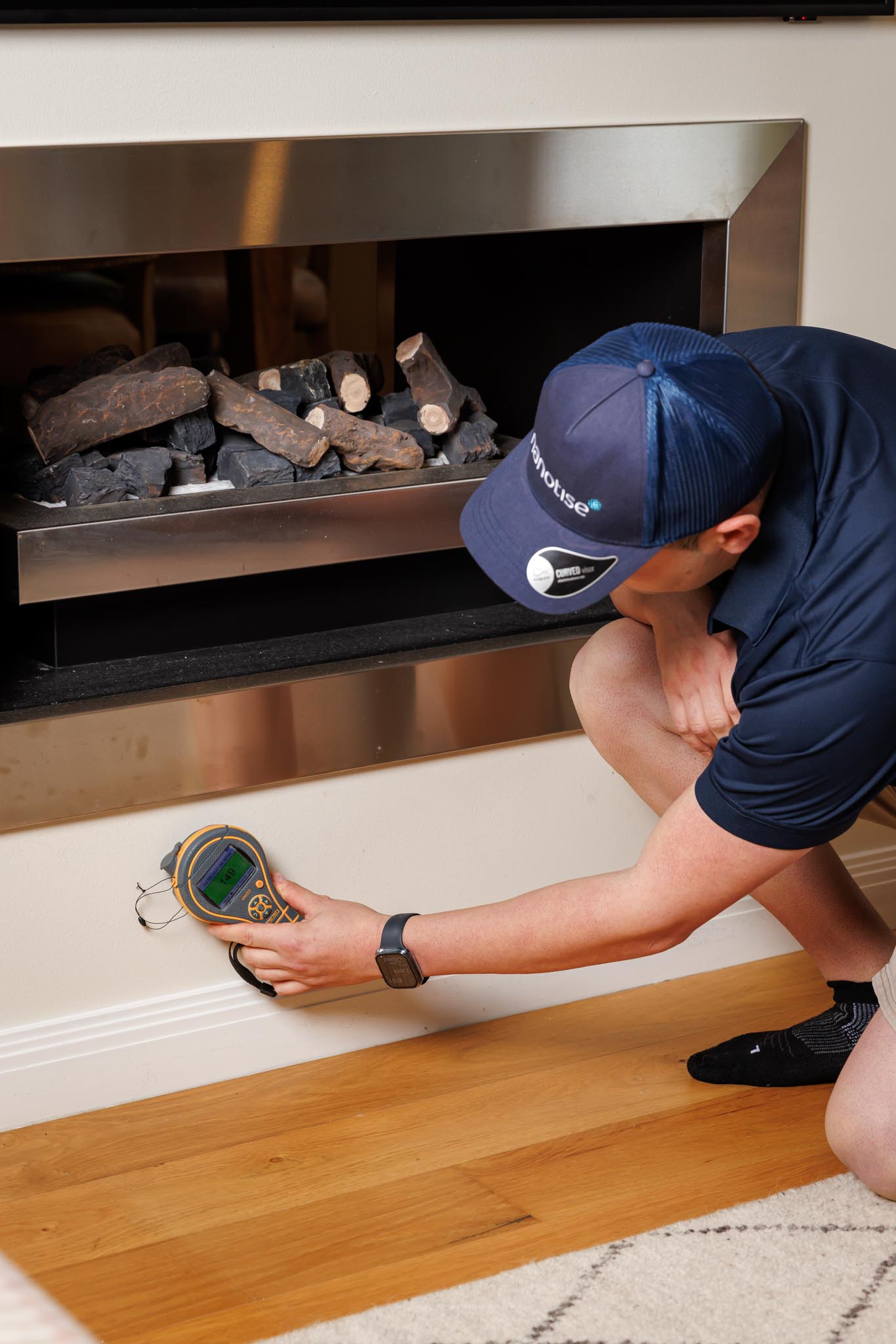
Quick Overview: Carpet and Flooring Mould Treatment
Honest assessment: Clear guidance on what can be salvaged versus what requires replacement
Professional decontamination: Deep treatment for carpets and flooring that can be restored safely
Health-focused decisions: Recommendations prioritising family safety over cost savings
Multiple flooring types: Experience with carpet, timber, laminate, vinyl, and tile
Complete solutions: Treatment, removal guidance, and prevention strategies

Why Sydney Homeowners Choose Nanotise for Carpet and Flooring Mould
Sydney homeowners trust Nanotise because we understand that mould on carpets and flooring creates both practical and emotional challenges. These aren't just materials — they're investments in your home and the surfaces your family walks on daily, where children play, and pets spend time.
Common Causes of Carpet and Flooring Mould in Sydney
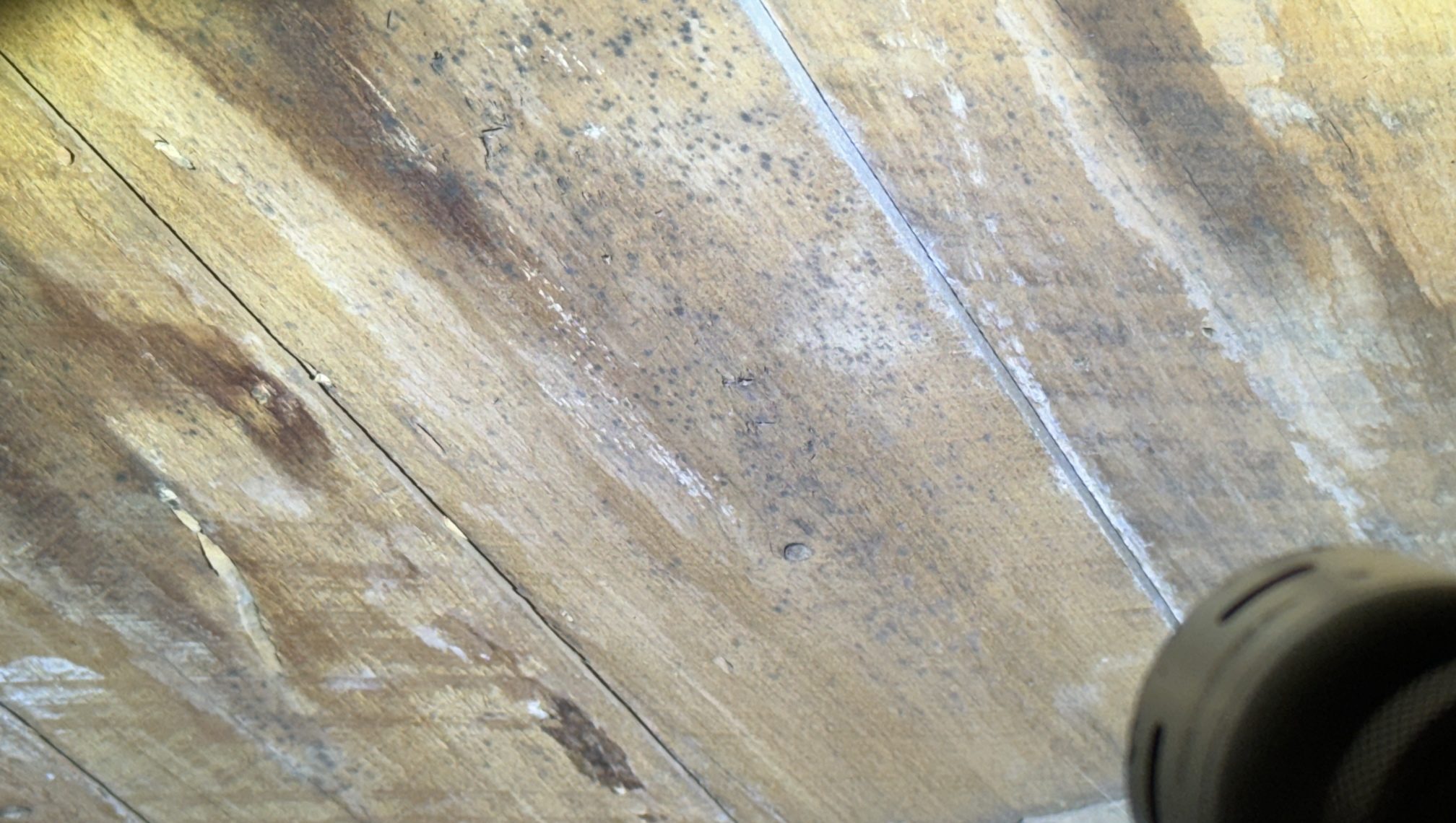
Our Carpet and Flooring Mould Assessment Process
Comprehensive Flooring Inspection
Thorough examination of affected areas including carpet, underlay, sub-floor, hard flooring surfaces, and surrounding areas. We assess contamination extent, moisture levels, and damage to determine salvageability.
Moisture Mapping and Testing
Use of moisture meters to map water damage extent, identify hidden moisture in substrates, and determine whether materials have dried adequately or retain moisture promoting ongoing mould growth.
Contamination Severity Assessment
Evaluation of mould penetration depth, affected surface area, exposure duration, and health implications to determine whether professional treatment can restore flooring safely or replacement is necessary.
Material Condition Evaluation
Assessment of physical damage, structural integrity, adhesive failure, or material deterioration that may make restoration impractical even if mould can be treated successfully.
Treatment Recommendation
Clear explanation of options including professional decontamination process for salvageable materials, safe removal procedures for unsalvageable flooring, and cost-benefit considerations for your decision-making.
Underlying Cause Identification
Investigation of moisture sources, sub-floor conditions, drainage issues, plumbing problems, or ventilation inadequacies causing contamination to prevent recurrence after treatment or replacement.

When Carpet Can Be Saved vs When It Requires Replacement
Carpets That Can Often Be Treated
Surface mould from condensation or brief moisture exposure, contamination caught early before extensive penetration, mould on carpet pile that hasn't penetrated backing or underlay, and situations where sub-floor and substrates remain dry and unaffected.
Carpets That Typically Require Replacement
Extensive water damage with prolonged saturation, mould penetrating through to underlay or sub-floor, sewage or contaminated water exposure, carpet with musty odours persisting after treatment attempts, or situations where health-vulnerable family members need absolute assurance.
Grey Area Situations
Some cases require professional judgement considering contamination extent, carpet value, family health factors, and risk tolerance. We provide honest assessments helping you make informed decisions balancing cost, health, and practical considerations.
Safe Removal: Containment Setup
Establishing barriers between affected areas and clean spaces prevents spore dispersal during removal. Plastic sheeting and negative air pressure protect unaffected rooms from cross-contamination.
Safe Removal: HEPA Filtration
Air scrubbers with HEPA filters run continuously during removal, capturing airborne spores before they spread throughout your home or affect family members. Contaminated materials are double-bagged and disposed of properly.
Post-Removal Cleaning
Thorough HEPA vacuuming and cleaning of exposed sub-floors, substrates, and adjacent areas after carpet removal ensures no residual contamination affects new flooring installation.
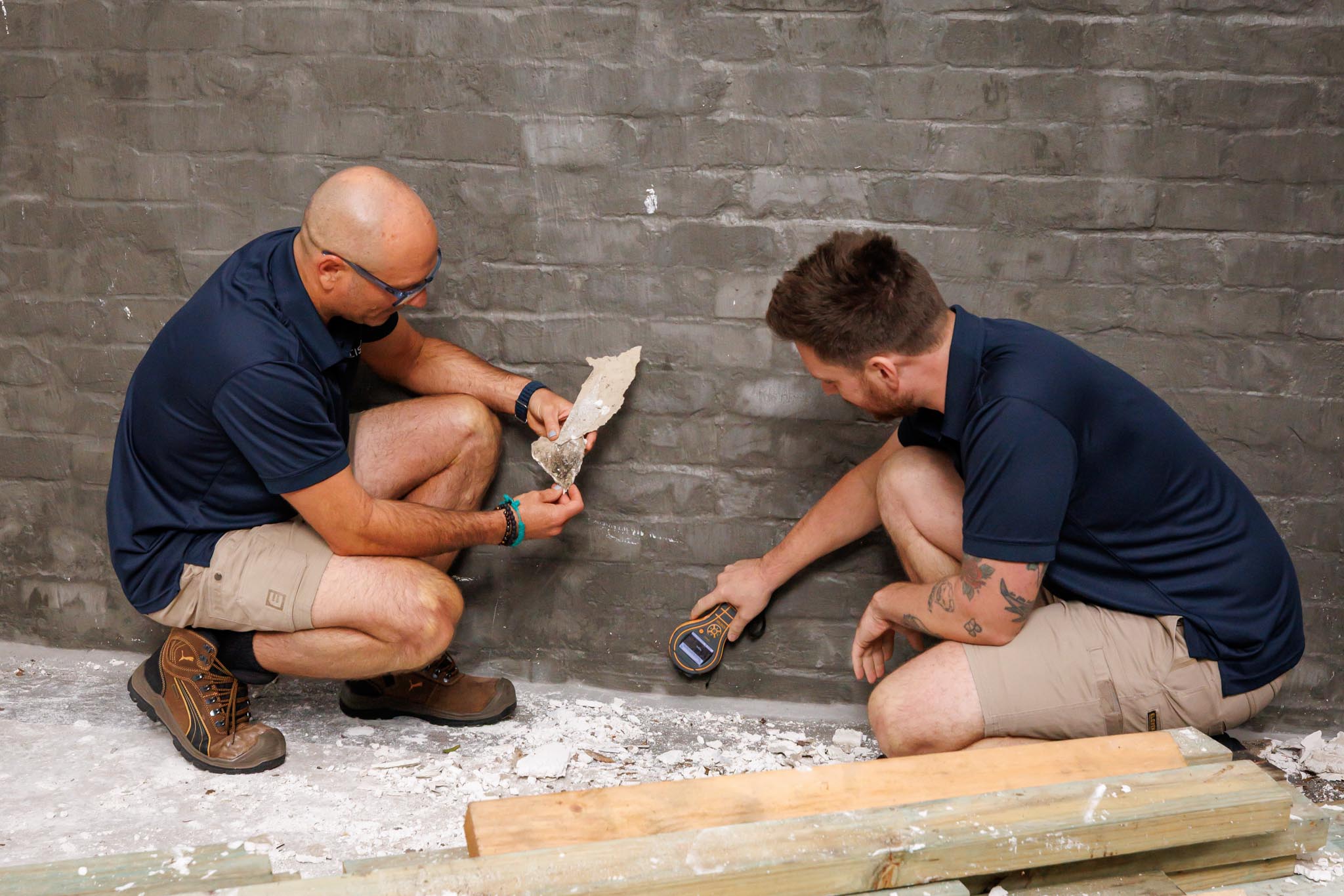
Hard Flooring Mould Treatment
Timber Flooring
Surface mould on timber floors can often be sanded, treated, and refinished if timber structure remains sound. However, mould between boards, in tongue-and-groove joints, or causing timber deterioration may require board replacement.
Laminate Flooring
Laminate damaged by water or mould typically requires replacement as moisture causes irreversible swelling, warping, and delamination. Surface mould might be cleaned if caught immediately, but penetration necessitates replacement.
Vinyl and Linoleum
These materials can usually be cleaned successfully if mould is surface growth. However, mould beneath vinyl or contamination in adhesive layers requires flooring removal to treat substrates properly.
Tiles and Grout
Tiles themselves resist mould, but grout harbours contamination requiring professional cleaning or replacement. Mould beneath tiles indicates failed waterproofing requiring comprehensive remediation including substrate treatment.
Salvageable Carpet Treatment
HEPA vacuuming to remove surface spores and contamination, deep antimicrobial treatment penetrating carpet pile and backing, thorough drying using professional equipment, and application of antifungal protection inhibiting regrowth.
Substrate and Sub-Floor Treatment
When flooring requires removal, comprehensive treatment of concrete slabs, timber sub-floors, or other substrates before new flooring installation, ensuring contamination doesn't affect replacement materials.
Don't risk your health or your property
Use Sydney's mould removal experts and sleep easy, knowing you've used the best. Contact us now for a mould inspection.
Carpet and Flooring Mould Across Sydney Property Types
Older Sydney Homes
Heritage homes throughout suburbs like Leichhardt, Drummoyne, and Mosman often have timber floors with sub-floor ventilation issues, rising damp, and moisture migration through floorboards promoting mould growth on flooring surfaces.
Modern Apartments
High-rise apartments with concrete slabs, limited ventilation, and internal laundries create condensation issues affecting carpet and flooring. Building defects and inadequate waterproofing compound these problems.
Flood-Affected Properties
Properties throughout Western Sydney and low-lying areas face recurring flood risk. Rapid professional response within 24-48 hours of water damage significantly improves chances of saving carpet and flooring.
Coastal Properties
Homes from Bondi to Cronulla face elevated humidity causing persistent moisture in carpets and flooring. Salt air accelerates deterioration of materials already compromised by mould contamination.
Investment Properties
Rental properties often have deferred maintenance allowing small leaks or ventilation issues to cause extensive carpet and flooring damage before detection, requiring comprehensive assessment and remediation.
Renovated Properties
Homes with new flooring installed over inadequately treated substrates or without proper moisture barriers face recurring mould problems. Professional assessment before new flooring installation prevents costly failures.
Carpet and Flooring Prevention for Sydney Homes
Respond to Water Damage Immediately
Any significant water exposure to carpet or flooring requires professional drying within 24-48 hours. Quick response prevents mould establishment and often saves floor coverings that would otherwise require replacement.
Control Indoor Humidity
Maintain indoor humidity below 60% using dehumidifiers during humid months. This simple measure prevents condensation on hard flooring and moisture accumulation in carpet backing.
Ensure Adequate Ventilation
Open windows regularly, use exhaust fans in wet areas, and ensure air circulation throughout rooms. Stagnant air over flooring promotes moisture accumulation and mould growth.
Address Sub-Floor Moisture
Ensure adequate sub-floor ventilation, install vapour barriers where needed, and maintain proper drainage away from foundations to prevent moisture rising into floor coverings.
Clean and Dry Spills Promptly
Immediately address any spills, leaks, or wet areas on carpet or flooring. Use fans to ensure thorough drying, particularly for carpet where moisture penetrates backing and pad.
Professional Carpet Cleaning
Use low-moisture carpet cleaning methods and ensure thorough drying after cleaning. Avoid over-wetting carpet which can cause mould growth in backing or underlay.
Regular Flooring Inspections
Periodically check behind furniture, along external walls, and in corners for early signs of moisture, mould, or musty odours allowing early intervention before contamination becomes extensive.
Frequently Asked Questions
Related Articles
Floods and Mould in Your Home
After flooding, mould can establish within 24-48 hours. Learn the critical steps to prevent mould damage after water events.
Read ArticleRemoving Mould from Your Home
A comprehensive guide to safe and effective mould removal for Sydney homeowners, covering common problem areas.
Read ArticleCondensation and Mould in Your Home
Understanding the relationship between condensation and mould growth, and practical steps to reduce moisture in your property.
Read ArticleSydney Carpet and Flooring Mould Specialists
Phone: 1800 NANOTISE
Available for Professional Assessment
Floor Covering Solutions
Getting Started
Protect Your Family's Health and Investment
Don't compromise your family's wellbeing or make costly mistakes with mould-affected flooring. Our honest assessments and proven treatment methods help you make informed decisions about restoration versus replacement.
Verified Client Experiences
Discover why families and businesses across Sydney trust Nanotise for their health-critical sanitisation and mould remediation needs.

Fantastic job and really professional experience from the first enquiry. The team was amazing. Wouldn't hesitate to recommend this company!
I found Nanotise to be fantastic. They assessed the mould issue and fixed it 2 days before Xmas. I now have a home that feels healthy again.
We are very glad we chose Nanotise for the remediation of our facility. It was a huge thing for us and they kept us in the loop all the way.
Fantastic job and really professional experience from the first enquiry. The team was amazing. Wouldn't hesitate to recommend this company!
I found Nanotise to be fantastic. They assessed the mould issue and fixed it 2 days before Xmas. I now have a home that feels healthy again.
We are very glad we chose Nanotise for the remediation of our facility. It was a huge thing for us and they kept us in the loop all the way.


Need more information?