Commercial & Office
Mould Removal Sydney
Mould in your Sydney workplace creates WHS obligations, productivity losses, staff health claims, and tenant disputes — responsibilities that escalate the longer contamination remains unaddressed.
Nanotise has been providing professional mould remediation for Sydney commercial buildings and offices for over 16 years, understanding the unique pressures facing building owners, property managers, and business operators. Our methods deliver thorough treatment with minimal disruption to business operations, supporting your WHS compliance and duty of care obligations. mould removal services

Quick Overview: Commercial Mould Remediation
WHS compliance support: Treatment and documentation supporting workplace health and safety obligations for building owners and employers
After-hours treatment: Scheduling around business operations to minimise disruption to tenants, staff, and customers
HVAC system treatment: Assessment and remediation of air handling systems distributing spores throughout commercial buildings
Multi-tenancy coordination: Treatment plans coordinated across multiple tenants and building management requirements
Ongoing maintenance programs: Scheduled inspection and treatment programs for commercial building management

Why Sydney Building Owners and Managers Choose Nanotise
Commercial property owners and managers trust Nanotise because workplace mould creates legal obligations, not just maintenance tasks. You have a duty of care to provide safe working environments, and WHS requirements mean mould contamination demands professional assessment, treatment, and documentation.
Common Causes of Mould in Sydney Commercial Buildings
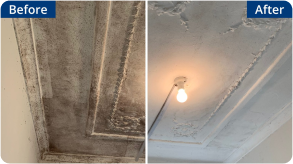
Our Commercial Mould Remediation Process
Building Assessment
Comprehensive inspection of affected areas plus investigation of building fabric, HVAC systems, plumbing, and building envelope to identify all contamination and moisture sources. Thermal imaging and moisture mapping reveal hidden problems.
Treatment Plan and Coordination
Development of a remediation plan coordinated with building management, tenants, and operational schedules. Clear communication and timeline ensure all stakeholders understand scope, scheduling, and any temporary arrangements needed.
Staged Workplace Treatment
Systematic treatment working through affected areas with containment, HEPA filtration, and scheduling minimising business disruption. Office areas are treated to allow rapid reoccupation following completion.
HVAC System Remediation
Assessment and treatment of air handling units, ductwork, coils, filters, and diffusers. Contaminated HVAC systems require treatment to prevent re-contamination of treated spaces and ongoing spore distribution building-wide.
Cavity and Concealed Space Treatment
Cavity gassing treatment of wall and ceiling spaces where hidden mould grows on framing, insulation, and building fabric. These concealed sources continuously contaminate occupied spaces until professionally treated.
Documentation and Prevention
Comprehensive reporting including assessment findings, treatment details, and prevention recommendations. Documentation supports WHS compliance, building management records, and communication with tenants regarding remediation.

Signs Your Commercial Building Needs Professional Mould Treatment
Staff Health Complaints
Multiple employees reporting respiratory symptoms, allergies, headaches, or fatigue that improve away from the workplace indicates indoor air quality issues likely related to mould contamination within the building.
Visible Mould on Surfaces
Mould on office walls, ceiling tiles, around air conditioning vents, or in bathrooms indicates established contamination and likely hidden growth within building cavities and HVAC systems.
Musty Odours in the Building
Persistent musty smells on specific floors, in particular tenancies, or throughout common areas indicate mould growing on building fabric, within cavities, or in air handling systems requiring investigation.
Stained or Damaged Ceiling Tiles
Discoloured, sagging, or damaged ceiling tiles indicate water damage from roof leaks, plumbing failures, or HVAC condensation — all creating conditions for extensive mould growth above ceiling level.
Tenant Complaints
Tenants reporting odours, visible mould, or staff health concerns create building management obligations. Prompt professional assessment demonstrates duty of care and prevents complaint escalation.
Condensation on Windows and Surfaces
Persistent condensation on windows, cold surfaces, or around air conditioning diffusers indicates humidity levels promoting mould growth and potential HVAC system inadequacies requiring assessment.

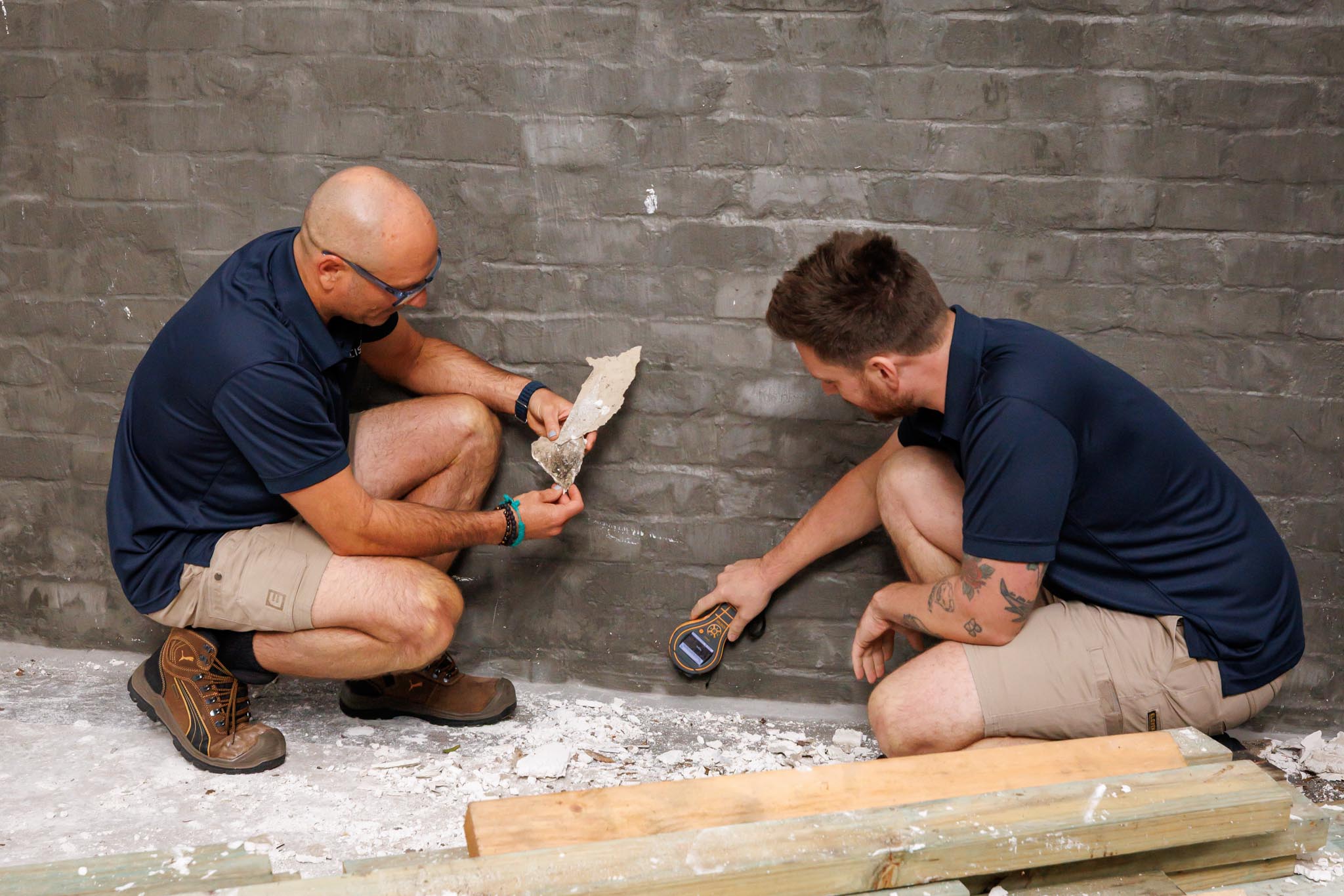
Commercial Areas We Treat
Office Spaces and Workstations
Treatment of open-plan offices, private offices, meeting rooms, and workstation areas. HEPA air scrubbing restores indoor air quality in the spaces where staff spend the majority of their working day.
Common Areas and Amenities
Treatment of lobbies, corridors, bathrooms, kitchens, and shared amenities where contamination affects every building occupant and visitor. Assessment includes communal HVAC and ventilation serving these spaces.
Server Rooms and Data Centres
Treatment of technology spaces where precise climate control creates condensation risks and where mould contamination threatens sensitive equipment. Remediation uses methods safe for electronic environments.
HVAC and Plant Rooms
Comprehensive treatment of air handling units, cooling towers, ductwork, and mechanical plant where mould establishes in the systems responsible for air quality throughout the entire building.
Basement and Storage Areas
Treatment of below-ground offices, archives, storage, and car park areas where ground moisture, limited ventilation, and condensation create persistent mould conditions affecting adjacent occupied spaces.
Building Cavities and Risers
Cavity gassing treatment of wall spaces, ceiling voids, service risers, and concealed areas where hidden contamination continuously affects indoor air quality across multiple floors and tenancies.
Don't risk your health or your property
Use Sydney's mould removal experts and sleep easy, knowing you've used the best. Contact us now for a mould inspection.

Commercial Buildings We Service Across Sydney
CBD Office Towers
High-rise commercial buildings throughout Sydney CBD face complex HVAC challenges, building envelope maintenance demands, and multi-tenancy coordination requirements for effective mould remediation.
Suburban Office Buildings
Commercial offices across North Sydney, Parramatta, Macquarie Park, and other suburban centres face mould from building age, HVAC deterioration, and deferred maintenance requiring comprehensive treatment.
Medical and Healthcare Offices
Medical centres, dental practices, and allied health offices throughout Sydney where patient health and clinical hygiene standards demand mould-free environments with the highest air quality standards.
Educational Facilities
Schools, universities, and training centres across Sydney where student and staff health, building age, and complex facility requirements create mould challenges requiring specialised remediation approaches.
Retail Premises
Shops, showrooms, and retail spaces throughout Sydney where customer experience, staff health, and stock protection depend on mould-free environments and clean air quality.
Strata Commercial Buildings
Mixed-use strata buildings with commercial tenancies requiring coordination between strata management, body corporate, and individual lot owners for comprehensive building-wide mould remediation.
Mould Prevention for Sydney Commercial Buildings
Maintain HVAC Systems Rigorously
Quarterly servicing of air handling systems, regular filter replacement, coil cleaning, and ductwork inspection prevents mould establishing within the systems responsible for air quality across every occupied space.
Address Building Envelope Issues
Regular inspection and maintenance of roofing, façade sealing, window gaskets, and waterproofing prevents water ingress into building cavities where hidden mould growth develops and spreads unseen.
Respond to Water Events Immediately
Any plumbing failure, roof leak, or water ingress requires professional drying within 24-48 hours. Rapid response in commercial buildings prevents mould establishment and the business disruption extensive remediation requires.
Monitor Indoor Air Quality
Regular monitoring of humidity levels, air quality, and staff health patterns identifies developing problems before visible mould appears. Addressing humidity and ventilation issues early prevents contamination.
Ensure Adequate After-Hours Ventilation
Commercial HVAC systems shutting down overnight allow humidity to build in sealed buildings. Timer settings maintaining minimum ventilation during unoccupied periods prevent condensation and moisture accumulation.
Commission Regular Building Inspections
Scheduled professional inspections of building fabric, HVAC systems, plumbing, and concealed spaces identify moisture and mould issues before they create WHS concerns, tenant complaints, or extensive remediation needs.
Develop a Building Mould Management Plan
Comprehensive mould management plans including inspection schedules, response procedures, maintenance priorities, and documentation frameworks support WHS compliance and protect building value long-term.
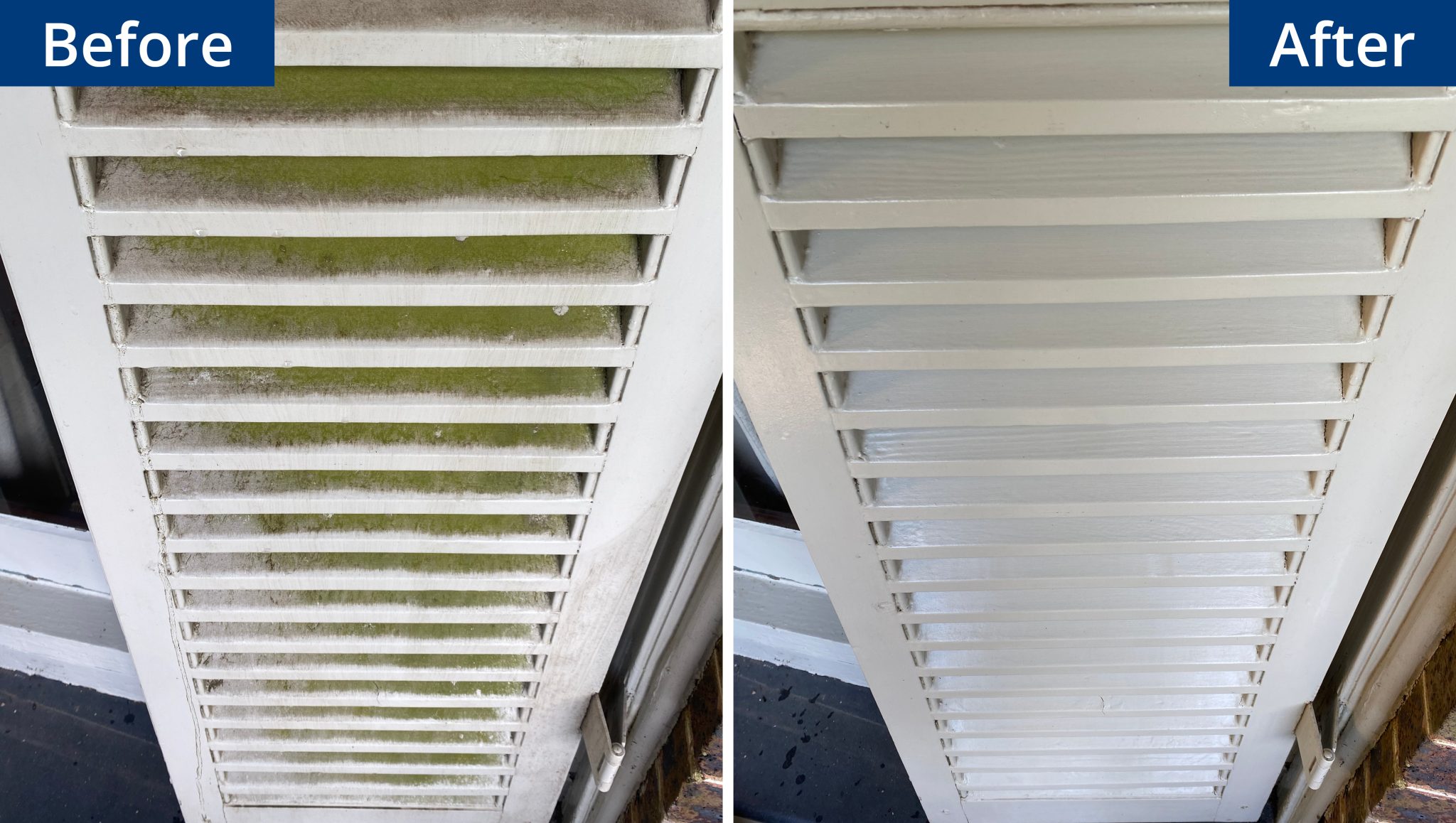
Frequently Asked Questions
Related Articles
COPD & Indoor Air Quality
Managing chronic obstructive pulmonary disease in high-humidity environments.
Read ArticleSydney's $1 Million Mould Contamination: What Every Homeowner Needs to Know
A real case study of extreme mould contamination in Sydney and the lessons every property owner should learn.
Read ArticleMould-Induced Asthma: Symptoms and Checklist
Learn how to identify if your asthma flares are caused by hidden fungal growth.
Read ArticleSydney Commercial Mould Remediation Specialists
Phone: 1800 NANOTISE
Available for Building Assessment
Commercial Solutions
Getting Started
Protect Your Building, Tenants, and Compliance
Don't let workplace mould create WHS liability, tenant disputes, or staff health claims. Our professional commercial remediation delivers thorough treatment with minimal business disruption and comprehensive documentation.
Verified Client Experiences
Discover why families and businesses across Sydney trust Nanotise for their health-critical sanitisation and mould remediation needs.

Fantastic job and really professional experience from the first enquiry. The team was amazing. Wouldn't hesitate to recommend this company!
I found Nanotise to be fantastic. They assessed the mould issue and fixed it 2 days before Xmas. I now have a home that feels healthy again.
We are very glad we chose Nanotise for the remediation of our facility. It was a huge thing for us and they kept us in the loop all the way.
Fantastic job and really professional experience from the first enquiry. The team was amazing. Wouldn't hesitate to recommend this company!
I found Nanotise to be fantastic. They assessed the mould issue and fixed it 2 days before Xmas. I now have a home that feels healthy again.
We are very glad we chose Nanotise for the remediation of our facility. It was a huge thing for us and they kept us in the loop all the way.


Need more information?