Why Do You Need a Mould Removal Inspection?
Many homeowners attempt to treat visible mould without understanding the full extent of contamination. A professional inspection is the critical first step that separates temporary surface cleaning from comprehensive, lasting remediation. Without proper assessment, you risk incomplete removal, structural damage, and recurring infestations that worsen over time.
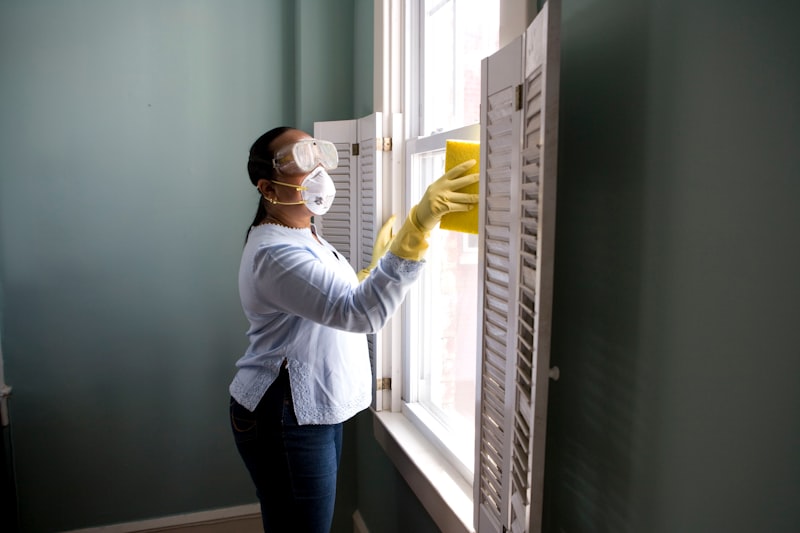
Visible Mould is Often Just the Beginning
When you spot mould on a wall or ceiling, what you see is typically a fraction of the actual problem. Mould colonies release visible spores only after establishing extensive networks within porous materials like drywall, insulation, and timber framing.
Professional inspections use moisture meters, thermal imaging, and air quality testing to detect colonies hidden behind walls, under flooring, and within ceiling cavities. These tools reveal the true extent of contamination that cannot be assessed through visual inspection alone.
Attempting removal without understanding the full scope means you may clean visible growth while leaving the primary colony intact. Within weeks, the problem returns, often more aggressive than before because disturbed spores have spread to new locations during incomplete treatment.
Studies show that up to 70% of mould growth exists behind visible surfaces. Professional inspection is the only way to accurately map the full extent of contamination.
Identifying the Moisture Source is Essential
Mould is not a standalone problem but rather a symptom of underlying moisture issues. Without addressing the root cause, any removal treatment will provide only temporary relief. A qualified inspector does more than locate mould — they trace the moisture pathways enabling its growth.
Common moisture sources in Sydney properties include roof leaks, failed waterproofing in wet areas, rising damp from insufficient underfloor ventilation, and condensation from poor airflow. Each source requires specific remediation strategies that must be implemented before or during mould treatment.
Many homeowners spend thousands treating recurring mould without realising a simple plumbing leak or damaged roof flashing is continuously reintroducing moisture. Professional inspection pinpoints these sources with precision, saving you from repeated treatments and escalating costs.
- Thermal imaging reveals hidden water intrusion pathways
- Moisture mapping documents wet zones within structural cavities
- Leak detection technology identifies plumbing failures behind walls
- Hygrometer readings measure ambient humidity contributing to condensation
Health Risk Assessment and Species Identification
Not all mould presents the same level of health risk. While all indoor mould growth warrants removal, certain species produce mycotoxins that can cause severe respiratory issues, chronic inflammation, and neurological symptoms. Professional inspection includes air and surface sampling to identify the specific species present.
Species such as Stachybotrys chartarum (black mould), Aspergillus fumigatus, and Chaetomium globosum require enhanced safety protocols during removal. Laboratory analysis determines toxicity levels, informs treatment methodology, and helps assess whether temporary relocation during remediation is advisable for vulnerable household members.
For properties with infants, elderly residents, or individuals with compromised immune systems, knowing exactly what type of mould is present allows for informed decision-making about health precautions and treatment urgency.
Preventing Structural Damage Through Early Detection
Mould does not just affect surfaces; active colonies secrete enzymes that break down cellulose in timber, paper backing on plasterboard, and other organic building materials. Over months and years, this biological degradation compromises structural integrity, leading to warping, rot, and eventual failure of load-bearing elements.
Inspections reveal the extent of material damage before it reaches critical thresholds. Early intervention can save tens of thousands in structural repairs by identifying affected framing, subfloors, and roofing timbers while they remain repairable rather than requiring full replacement.
Insurance claims for mould-related structural damage often require documented professional assessment showing when the issue was first detected and what remedial steps were taken. Without this documentation, claims may be denied on grounds of negligent maintenance.
Timber framing compromised by long-term mould exposure can lose up to 60% of its structural strength before visible signs become apparent. Inspection prevents catastrophic failures.
Compliance with Australian Standards and Regulations
Professional mould remediation in Australia must comply with guidelines set by the Australian Mould Guidelines and relevant workplace health and safety legislation. Commercial properties and rental units have additional obligations under the Work Health and Safety Act 2011.
Qualified inspectors provide documentation that demonstrates due diligence in identifying hazards, assessing risks, and implementing appropriate control measures. This documentation protects property owners legally and provides clear evidence of professional remediation for future buyers or tenants.
For landlords, documented inspection reports are essential when disputes arise about responsibility for mould issues. They establish whether the problem resulted from structural defects (landlord responsibility) or tenant behaviours such as inadequate ventilation (tenant responsibility).
- Compliance with AS/NZS 3666 standards for HVAC contamination
- Documentation meeting Australian Mould Guidelines recommendations
- Chain of custody for laboratory samples used in legal proceedings
- Photographic evidence and detailed mapping for insurance claims
Cost-Effective Long-Term Solutions
While professional inspection represents an upfront cost, it consistently saves money by preventing ineffective treatments, recurring problems, and escalating damage. A comprehensive assessment allows remediation contractors to provide accurate quotes based on actual conditions rather than guesswork.
DIY attempts often involve purchasing ineffective products, multiple rounds of treatment, and eventual professional intervention after the problem has worsened. The total cost of this approach typically exceeds professional inspection and treatment from the outset.
Nanotise inspections include detailed reports with prioritised remediation recommendations, allowing property owners to budget effectively and address critical issues first. Our forensic approach identifies not just what needs treatment, but the most cost-effective sequence to prevent recurrence.
What a Professional Inspection Includes
A comprehensive mould inspection involves multiple assessment methods working together to create a complete picture of contamination. Visual inspection establishes the obvious problem areas, while moisture mapping reveals hidden dampness supporting unseen growth.
Thermal imaging cameras detect temperature variations indicating water intrusion and evaporation patterns. Air sampling captures airborne spore concentrations in different zones, while surface samples identify species growing on materials. All data is compiled into a detailed report with laboratory results and photographic documentation.
The final inspection report includes moisture source identification, contamination extent mapping, species analysis, health risk assessment, and prioritised remediation recommendations. This document becomes the blueprint for effective treatment that addresses causes, not just symptoms.
- Visual assessment of all accessible areas including subfloor and roof cavities
- Moisture meter readings throughout affected and adjacent zones
- Thermal imaging to detect hidden water intrusion and evaporation
- Air quality sampling measuring spore concentrations by room
- Surface sampling for laboratory species identification
- Detailed written report with photographic evidence and remediation plan
Key Takeaways
- Professional inspection reveals hidden mould colonies that visual assessment cannot detect, preventing incomplete treatment and rapid recurrence
- Identifying and addressing moisture sources is essential — treating mould without fixing the underlying water problem guarantees the issue will return
- Species identification through laboratory analysis determines health risks and informs appropriate safety protocols during removal
- Early detection prevents structural damage that can cost tens of thousands in timber replacement and building repairs
- Documented professional assessment provides legal protection for property owners and meets compliance requirements for rental properties
- Comprehensive inspection creates accurate remediation plans that are more cost-effective than repeated DIY attempts or guesswork treatments
Frequently Asked Questions
Professional inspections typically range from 400 to 800 dollars depending on property size and testing requirements. This investment prevents thousands in ineffective treatments and structural repairs by ensuring accurate diagnosis and targeted remediation from the start.
A comprehensive inspection usually takes 1-3 hours depending on property size and complexity. The inspector needs time to access all areas including roof and subfloor cavities, conduct moisture mapping, and collect air and surface samples. Laboratory results are typically available within 3-5 business days.
Treating only visible mould is rarely effective because surface growth indicates extensive hidden colonisation. Without identifying moisture sources and mapping the full extent, the problem will recur, often more aggressively. Professional inspection ensures complete removal and prevents recurring costs.
Choose inspectors with formal training in moisture assessment, experience with thermal imaging and air quality testing, and access to accredited laboratories for species identification. They should provide detailed written reports with photographic evidence and prioritised remediation recommendations, not just a verbal assessment.
Mould Inspection
Comprehensive forensic mould inspections using thermal imaging, moisture meters, and air quality testing.
Learn MoreMould Removal Sydney
Professional mould removal services across Sydney using TGA-registered treatments and nanotechnology barrier protection.
Learn MoreSanitisation
Full-property sanitisation using fogging and surface treatment to eliminate mould spores and pathogens.
Learn MoreConcerned About Mould?
Our senior consultants provide expert assessments and tailored treatment plans for Sydney homes and businesses. 16+ years of experience.