Wall & Ceiling Cavity
Mould Removal Sydney
Mould growing inside your Sydney home's wall and ceiling cavities is invisible, persistent, and responsible for many of the unexplained health symptoms and musty odours homeowners struggle with.
Nanotise has been treating hidden cavity mould in Sydney homes for over 16 years, using specialised techniques including cavity gassing to reach contamination that conventional surface treatment simply cannot access. Our approach addresses both the mould within cavities and the moisture pathways feeding growth, delivering lasting results where surface cleaning has repeatedly failed. mould removal services
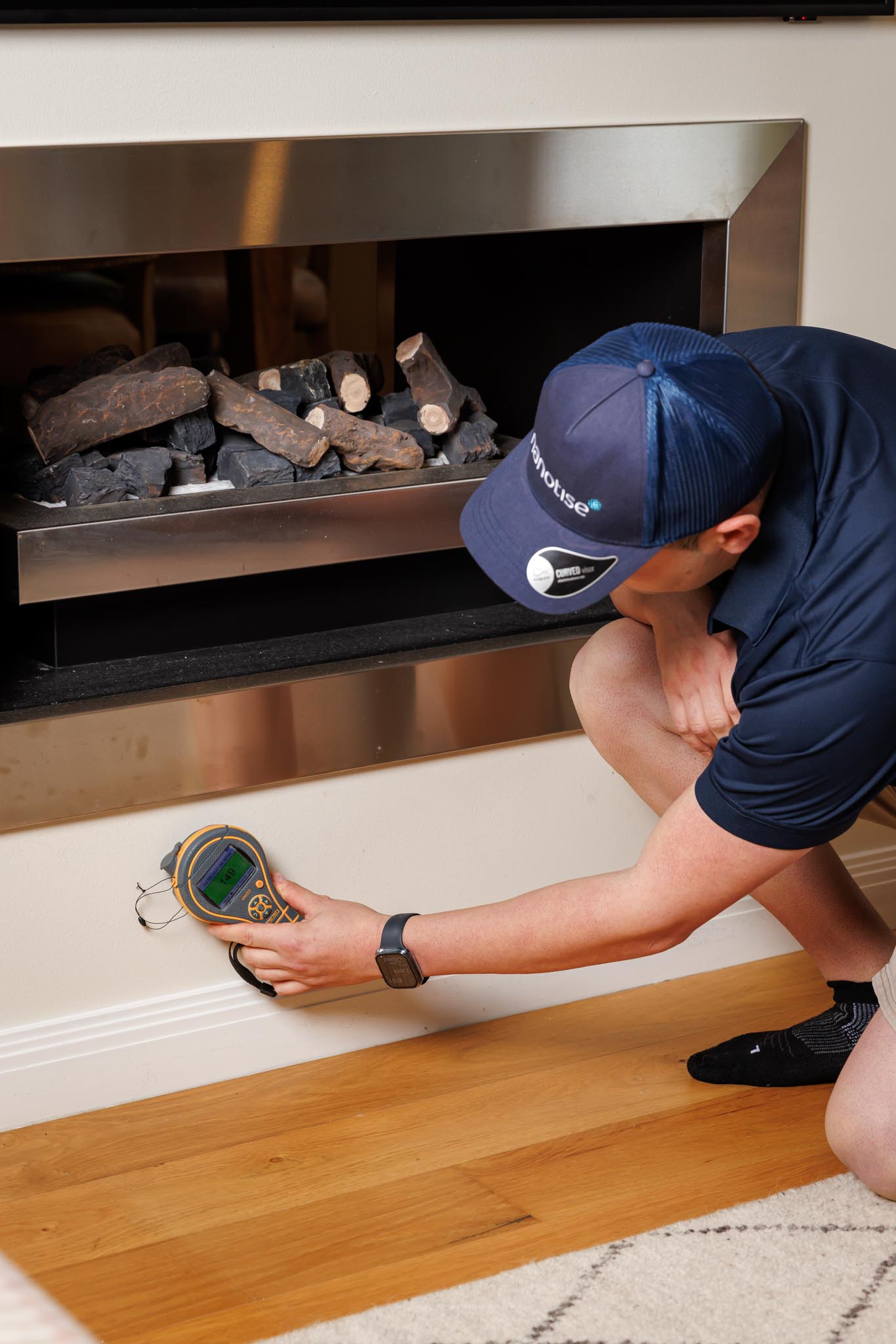
Quick Overview: Wall & Ceiling Cavity Mould Treatment
Cavity gassing treatment: Specialised fogging reaches mould inside enclosed wall and ceiling spaces without demolition
Hidden contamination detection: Moisture meters and thermal imaging identify concealed mould behind walls and above ceilings
Non-invasive where possible: Treatment methods that avoid unnecessary wall or ceiling removal in many situations
Moisture pathway resolution: Identification and correction of the water sources feeding hidden cavity mould
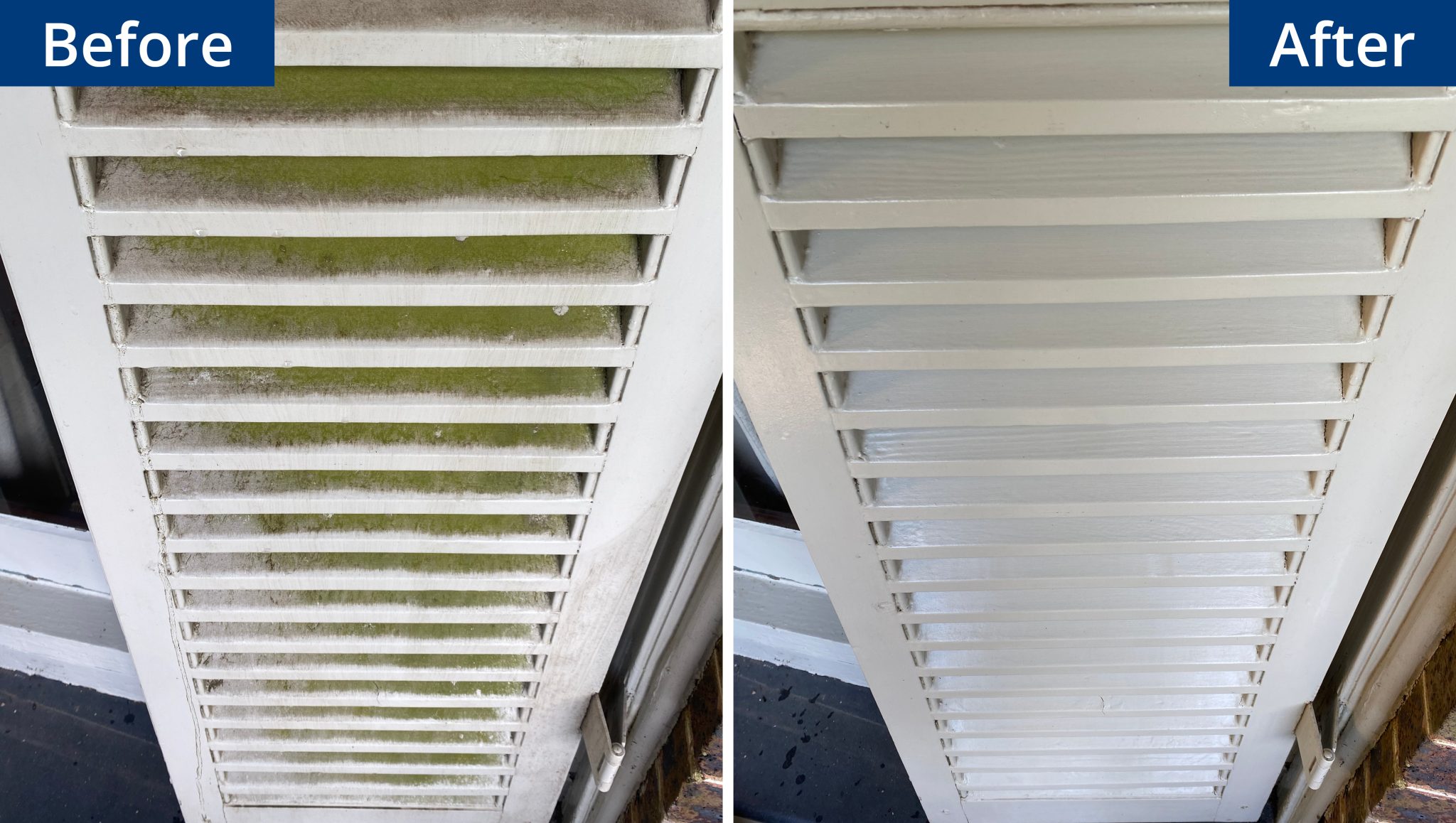
Long-term protection: Antifungal treatments and moisture management preventing cavity recontamination

Why Sydney Homeowners Choose Nanotise for Cavity Mould
Sydney homeowners trust Nanotise because cavity mould is one of the most frustrating problems to solve — you can't see it, surface cleaning doesn't reach it, and it keeps coming back. We specialise in finding and treating the contamination you can't see, using methods designed specifically for enclosed spaces.
Common Causes of Wall and Ceiling Cavity Mould in Sydney
Our Cavity Mould Treatment Process
Non-Invasive Assessment
Thorough inspection using moisture meters and thermal imaging to map moisture patterns and identify contamination within cavities without unnecessary wall or ceiling removal. We assess the full extent of hidden mould.
Moisture Source Investigation
Identification of water entry points — roof leaks, plumbing issues, rising damp, condensation, or waterproofing failures — feeding mould growth within cavities. Understanding the source is essential for lasting treatment.
Surface Mould Treatment
Treatment of any visible mould on wall and ceiling surfaces adjacent to cavity contamination, removing surface growth and preventing spore dispersal during cavity treatment procedures.
Cavity Gassing Treatment
Dispersal of antimicrobial fog throughout wall and ceiling cavities through strategic access points, treating mould on timber framing, insulation, wiring, and all enclosed surfaces. Treatment penetrates areas inaccessible to conventional methods.
Antifungal Protection
Application of long-lasting antifungal protection to cavity surfaces and treated areas, creating a barrier that inhibits mould re-establishment while moisture source repairs are completed.
Moisture Source Repair Guidance
Detailed reporting on identified moisture pathways with specific repair recommendations. We coordinate with builders, plumbers, and roofers where needed to ensure moisture sources are properly resolved.

Signs of Hidden Mould in Wall and Ceiling Cavities
Persistent Musty Odours
Musty smells that persist despite thorough cleaning of visible surfaces strongly indicate mould growing within cavities. Odours may intensify in humid weather or when heating and cooling systems operate, drawing air through contaminated spaces.
Mould Around Powerpoints and Fittings
Mould appearing around powerpoints, light switches, light fittings, or air conditioning vents indicates cavity contamination. Spores migrate through these openings from mould growing on framing and cavity surfaces behind walls and above ceilings.
Recurring Surface Mould After Cleaning
Mould returning on walls or ceilings within weeks of cleaning indicates contamination sourced from within cavities. Surface treatment alone cannot resolve mould fed by ongoing cavity contamination behind the visible surface.
Staining or Discolouration on Walls
Unexplained staining, yellowing, or discolouration on painted walls or ceilings often indicates moisture penetration and mould activity within cavities, particularly when stains appear without obvious water exposure.
Peeling Paint and Bubbling Surfaces
Paint peeling, wallpaper lifting, or plaster bubbling on walls and ceilings indicates moisture within cavities affecting surface finishes. This moisture sustains mould growth hidden behind the deteriorating surface.
Health Symptoms Without Visible Cause
Family members experiencing persistent allergies, respiratory issues, or headaches that improve when away from home may be reacting to spores from hidden cavity mould, particularly when no visible mould explains their symptoms.

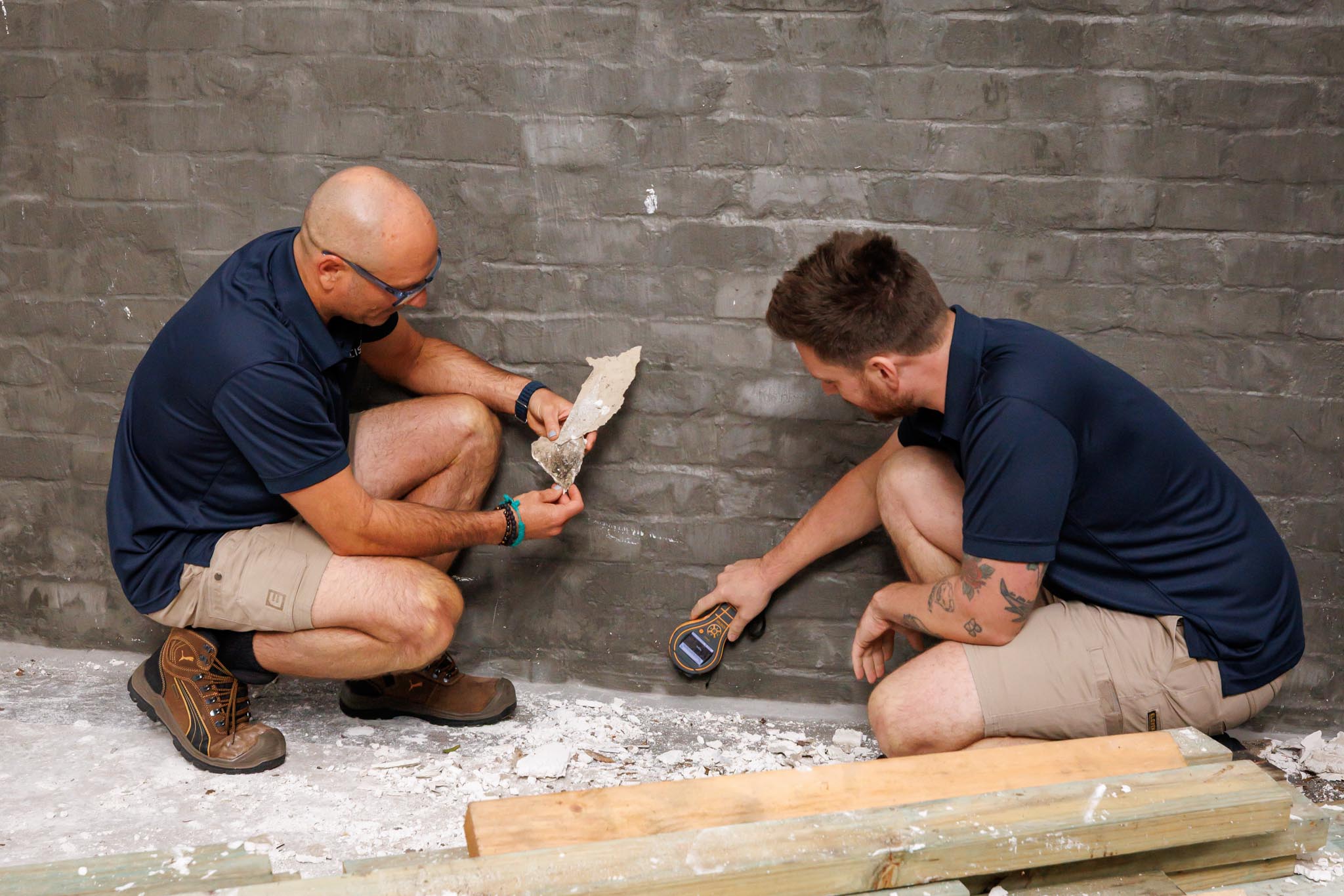
Cavity Structures We Treat
Timber Wall Framing
Treatment of studs, noggings, top and bottom plates where mould establishes on structural timber within wall cavities. Antifungal protection preserves timber integrity and prevents recontamination.
Ceiling Cavity Structures
Treatment of ceiling joists, rafters, trusses, and roof framing where moisture from leaks, condensation, or inadequate ventilation promotes mould growth in ceiling spaces above living areas.
Insulation Materials
Assessment and treatment of mould-affected insulation within cavities. Severely contaminated insulation may require replacement, while surface-affected material can often be treated in place during cavity gassing.
Cavity Wall Linings
Treatment of plasterboard backing, sarking, building paper, and other cavity linings where moisture exposure promotes mould growth on surfaces facing into enclosed wall and ceiling spaces.
Ducting and Service Runs
Treatment of air conditioning ducting, electrical conduit surrounds, and plumbing penetrations within cavities where condensation or leaks create localised mould growth contaminating air distribution systems.
Brick and Masonry Cavities
Treatment of mould within brick veneer cavities, double brick wall spaces, and around masonry elements where rising damp or water penetration creates persistent contamination on cavity surfaces.
Don't risk your health or your property
Use Sydney's mould removal experts and sleep easy, knowing you've used the best. Contact us now for a mould inspection.

Cavity Mould Across Sydney Property Types
Brick Veneer Homes
Sydney's most common construction type features cavities between external brickwork and internal framing. Failed weep holes, mortar bridging, and flashing defects allow moisture into cavities, promoting hidden mould throughout suburbs from Parramatta to Penrith.
Weatherboard and Fibro Homes
Older homes across the Inner West, Sutherland Shire, and Northern Beaches have wall cavities vulnerable to moisture from deteriorated external cladding, aging weatherproofing, and inadequate modern insulation.
Double Brick Properties
Heritage and older double brick homes in Mosman, Woollahra, and Randwick have narrow cavities where rising damp and condensation create persistent mould conditions on internal brick surfaces.
Modern Apartments
High-rise apartments across the CBD, Chatswood, and Parramatta face cavity mould from building defects, waterproofing failures, and condensation in air-conditioned environments with limited natural ventilation.
Townhouses
Multi-level townhouses throughout the Hills District, Ryde, and Canterbury-Bankstown have complex cavity networks where bathroom moisture, roof leaks, and plumbing issues create hidden contamination across multiple levels.
Renovated Properties
Homes with additions or renovations sometimes have cavity moisture problems where new construction meets existing, creating junctions where water penetration and ventilation changes promote hidden mould growth.
Preventing Cavity Mould in Sydney Homes
Maintain Roof Integrity
Regular roof inspections, prompt repair of damaged tiles or flashing, and maintenance of valleys and gutters prevents water entry into ceiling cavities. Annual checks catch problems before they cause cavity contamination.
Address External Waterproofing
Maintain external render, repoint deteriorated mortar joints, and ensure cavity flashing functions correctly. Preventing rainwater penetration into wall cavities eliminates a major moisture source for hidden mould.
Monitor for Plumbing Leaks
Watch for unexplained moisture on walls, staining on ceilings, or increased water bills indicating concealed plumbing leaks. Early detection prevents extensive cavity contamination from slow, persistent water exposure.
Manage Indoor Humidity
Use exhaust fans in bathrooms and kitchens, maintain adequate ventilation, and consider dehumidifiers during humid months. Reducing indoor humidity minimises condensation within wall and ceiling cavities.
Ensure Adequate Insulation
Properly installed insulation reduces condensation within cavities by moderating temperature differences between interior and exterior surfaces. Ensure insulation doesn't block essential ventilation pathways.
Maintain Wet Area Waterproofing
Keep bathroom and laundry waterproofing in good condition. Address cracked tiles, deteriorated grout, and failed silicone seals before moisture penetrates into adjacent wall cavities.
Act on Warning Signs Early
Don't ignore musty odours, unexplained staining, or mould around fittings. Early professional assessment when signs first appear prevents extensive cavity contamination that becomes significantly more difficult and costly to treat.
Frequently Asked Questions
Related Articles
Floods and Mould in Your Home
After flooding, mould can establish within 24-48 hours. Learn the critical steps to prevent mould damage after water events.
Read ArticleRemoving Mould from Your Home
A comprehensive guide to safe and effective mould removal for Sydney homeowners, covering common problem areas.
Read ArticleWhat Does Black Mould Look Like
Learn to identify black mould by appearance, location, and growth pattern, and understand when professional testing is essential.
Read ArticleSydney Wall & Ceiling Cavity Mould Specialists
Phone: 1800 NANOTISE
Available for Professional Assessment
Cavity Treatment Solutions
Getting Started
Stop Hidden Mould Affecting Your Family
Don't let invisible cavity mould compromise your family's health or damage your home's structure. Our specialised cavity gassing treatment reaches contamination that surface cleaning can never address.
Verified Client Experiences
Discover why families and businesses across Sydney trust Nanotise for their health-critical sanitisation and mould remediation needs.

Fantastic job and really professional experience from the first enquiry. The team was amazing. Wouldn't hesitate to recommend this company!
I found Nanotise to be fantastic. They assessed the mould issue and fixed it 2 days before Xmas. I now have a home that feels healthy again.
We are very glad we chose Nanotise for the remediation of our facility. It was a huge thing for us and they kept us in the loop all the way.
Fantastic job and really professional experience from the first enquiry. The team was amazing. Wouldn't hesitate to recommend this company!
I found Nanotise to be fantastic. They assessed the mould issue and fixed it 2 days before Xmas. I now have a home that feels healthy again.
We are very glad we chose Nanotise for the remediation of our facility. It was a huge thing for us and they kept us in the loop all the way.


Need more information?