Bathroom and Wet Area
Mould Removal Sydney
When mould appears in your Sydney bathroom or wet areas, it signals moisture problems that won't resolve without professional intervention.
Nanotise has been treating bathroom mould in Sydney homes for over 16 years, addressing both visible surface growth and the serious hidden contamination behind tiles, in shower recesses, and within bathroom cavities. Our specialised mould removal services for bathrooms and wet areas ensure comprehensive treatment that goes beyond surface cleaning to address waterproofing failures, ventilation issues, and structural concerns. mould removal services
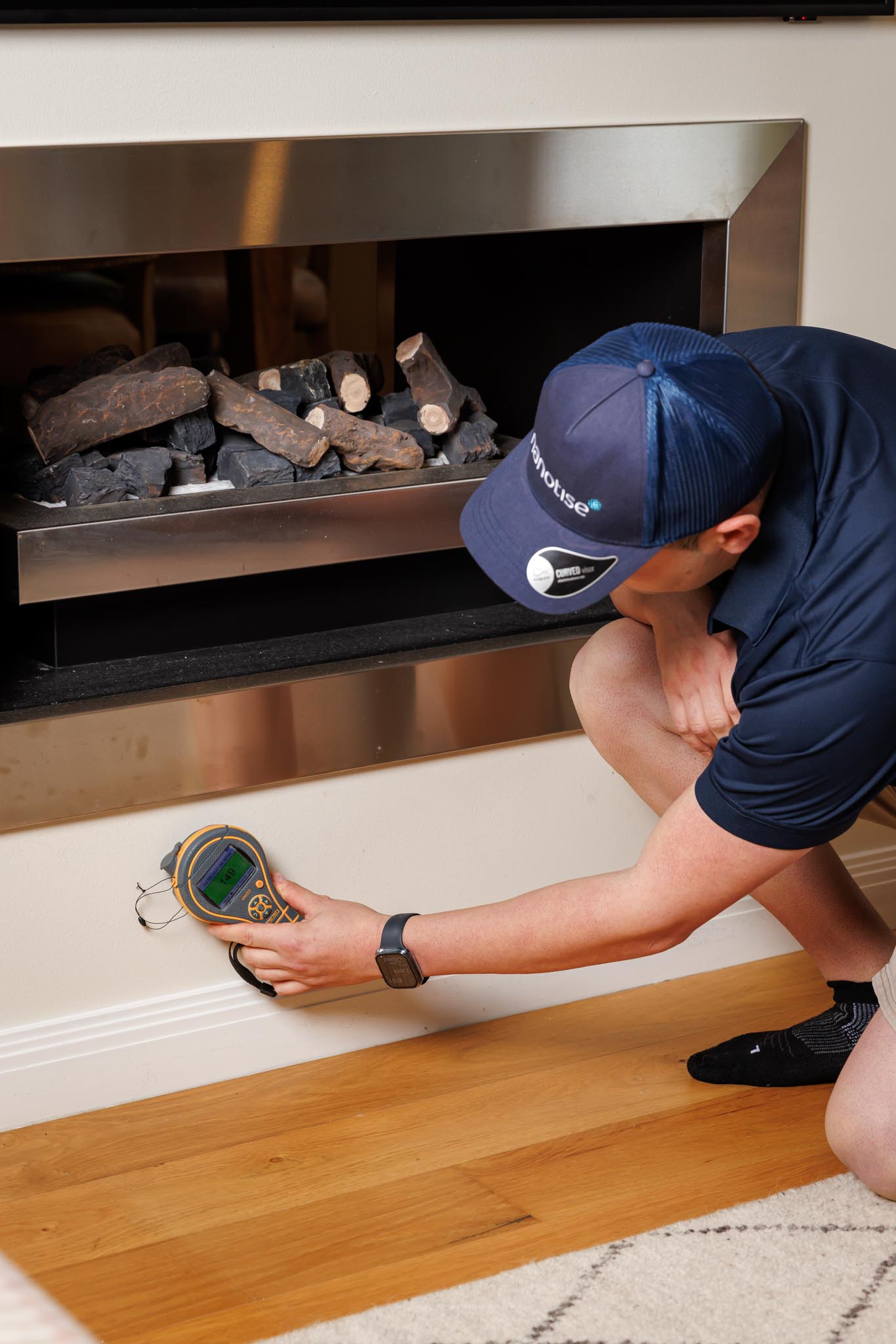
Quick Overview: Bathroom Mould Removal
Beyond surface cleaning: Treatment addresses visible mould and hidden contamination behind tiles
Waterproofing assessment: Identification of failed sealing and moisture penetration issues
Comprehensive solutions: From grout treatment to cavity remediation and ventilation improvements
Multiple wet area expertise: Bathrooms, ensuites, laundries, and wet rooms
Prevention focus: Long-term strategies preventing mould recurrence in humid environments

Why Sydney Homeowners Choose Nanotise for Bathroom Mould Treatment
Sydney homeowners trust Nanotise because we understand that bathroom mould isn't just a cosmetic issue requiring better cleaning — it's often the visible symptom of failed waterproofing, inadequate ventilation, or moisture penetrating into wall cavities where serious problems develop unseen.
Common Causes of Bathroom Mould in Sydney
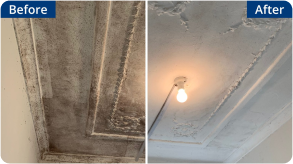
Our Bathroom Mould Removal Process
Comprehensive Wet Area Assessment
Thorough inspection of visible mould, grout condition, silicone integrity, tile soundness, and exhaust fan adequacy. We use moisture meters and thermal imaging to detect water penetration behind tiles and into cavities.
Waterproofing Evaluation
Assessment of waterproofing integrity, identification of failed seals or membranes, and determination of whether moisture is penetrating substrates. This critical step determines whether treatment alone suffices or repairs are necessary.
Surface Mould Treatment
Professional treatment of tiles, grout, ceilings, painted surfaces, and fixtures using appropriate antimicrobial and antifungal products. We address visible contamination on all bathroom surfaces.
Grout and Silicone Treatment
Deep cleaning and treatment of grout lines where mould penetrates porous material. Assessment of silicone condition and recommendations for replacement where seals have failed or harbour persistent contamination.
Cavity and Behind-Tile Treatment
When moisture has penetrated behind tiles, we provide cavity gassing treatment or, where necessary, guidance on tile removal, substrate treatment, and proper waterproofing repair before retiling.
Long-Term Protection and Prevention
Application of our CRX antifungal treatment to bathroom surfaces, detailed ventilation improvement recommendations, and specific maintenance practices preventing mould recurrence in your particular bathroom conditions.

Signs Your Bathroom Needs Professional Mould Treatment
Visible Mould Growth
Black, green, or pink mould on grout, tiles, ceilings, or silicone indicates established contamination. What you see often represents only surface growth with more extensive problems hidden behind tiles.
Persistent Musty Odours
Musty smells in bathrooms, even after cleaning, indicate mould growing in grout, behind tiles, in cavities, or under flooring where surface cleaning can't reach.
Mould Returning After Cleaning
If bathroom mould returns within weeks or months after thorough cleaning, moisture is penetrating from behind tiles or inadequate ventilation makes recurrence inevitable without professional intervention.
Soft or Hollow-Sounding Tiles
Tiles that sound hollow when tapped, feel soft or flexible, or show movement indicate water damage behind tiles causing adhesive failure and likely extensive mould growth on substrates.
Grout Discolouration and Deterioration
Darkened, crumbling, or missing grout, particularly in shower areas, allows water penetration and harbours mould contamination that surface cleaning can't eliminate effectively.
Peeling Paint or Bubbling Surfaces
Paint peeling on bathroom ceilings or walls, bubbling surfaces, or plaster deterioration indicate moisture problems causing mould growth on and within building materials.
Water Staining
Stains on ceilings, walls, or around fixtures suggest water penetration, failed waterproofing, or plumbing leaks creating conditions for extensive hidden mould growth.

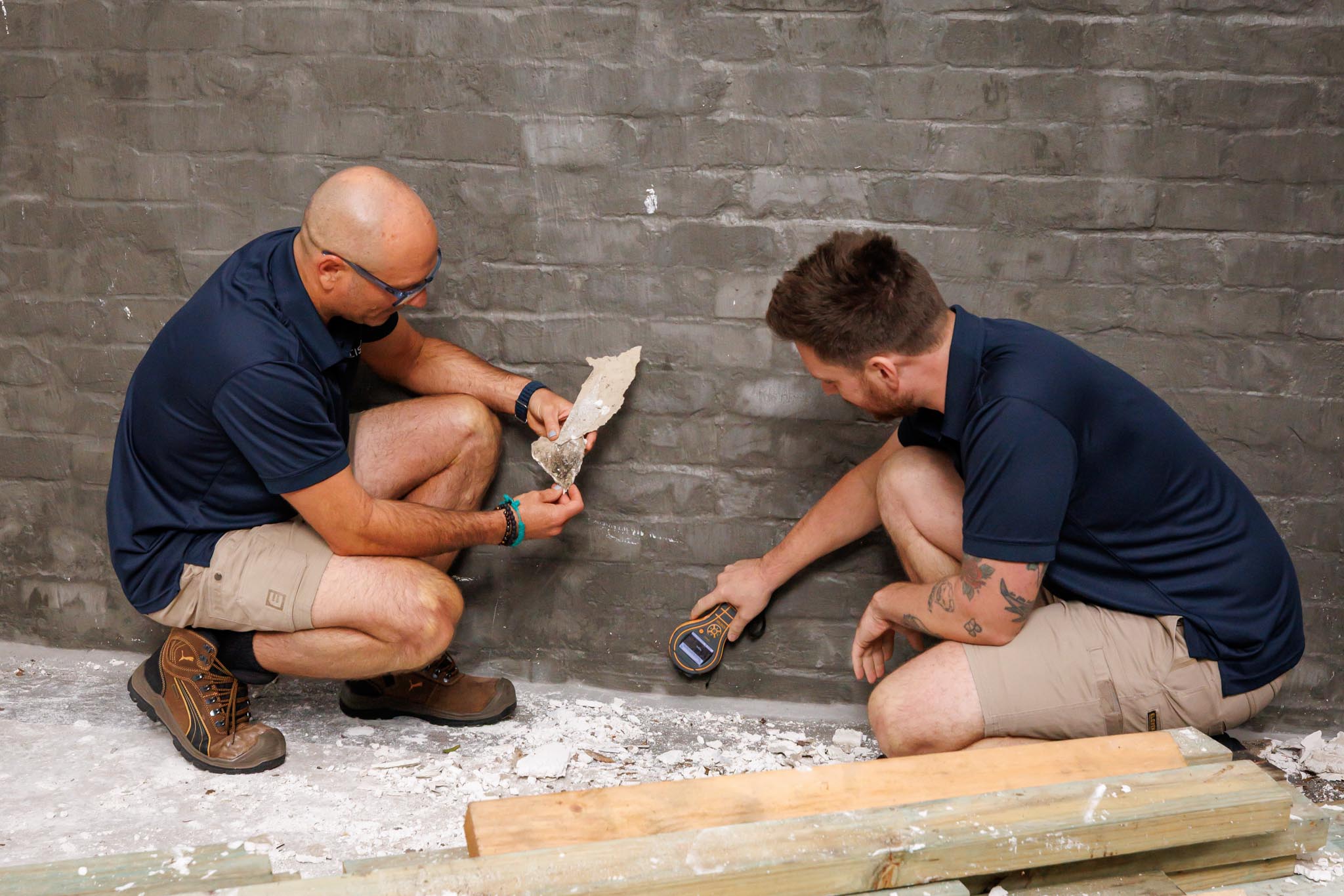
Bathroom Surfaces We Treat
Tiles and Grout
Comprehensive treatment of wall and floor tiles, deep grout cleaning or treatment, and assessment of tile integrity. We identify whether mould is surface growth or indicates behind-tile moisture problems.
Shower Recesses and Wet Areas
Specialised treatment of shower walls, floors, and ceilings where constant moisture exposure creates ideal mould conditions. Assessment of waterproofing integrity and drainage adequacy.
Silicone Seals
Treatment of contaminated silicone where possible, or recommendations for professional silicone removal and replacement where seals have failed, deteriorated, or harbour deep mould penetration.
Ceilings and Painted Surfaces
Treatment of bathroom ceilings affected by condensation mould, painted walls with moisture damage, and assessment of whether paint failure indicates cavity moisture requiring attention.
Exhaust Fans and Vents
Cleaning and treatment of exhaust fan grilles, ducting assessment, and recommendations for fan upgrades where inadequate ventilation capacity contributes to mould problems.
Bathroom Cavities
Gassing treatment for mould in wall or ceiling cavities adjacent to wet areas, or guidance on cavity access, treatment, and waterproofing repair where extensive hidden contamination exists.
Don't risk your health or your property
Use Sydney's mould removal experts and sleep easy, knowing you've used the best. Contact us now for a mould inspection.

Bathroom Mould in Different Sydney Property Types
Older Sydney Homes
Heritage and older homes throughout suburbs like Balmain, Glebe, and Mosman often have bathrooms with inadequate ventilation, aging waterproofing, and structural moisture issues requiring comprehensive solutions.
Modern Apartments
High-rise apartments in the CBD, North Sydney, and Parramatta frequently have internal bathrooms without windows, mechanical ventilation issues, and building defects causing persistent mould problems.
Townhouses and Villas
Multi-level townhouses across Western Sydney and the Hills District often have ensuites with limited ventilation, complex waterproofing requirements, and design compromises creating mould vulnerability.
Renovated Properties
Homes with updated bathrooms sometimes have waterproofing installed incorrectly, inadequate ventilation for new configurations, or moisture problems created by renovation work affecting adjacent areas.
Coastal Properties
Bathrooms in coastal homes from Bondi to Cronulla face elevated humidity, salt air affecting fixtures and finishes, and condensation challenges requiring robust ventilation and moisture management.
Investment Properties
Rental properties throughout Sydney often have deferred maintenance, inadequate ventilation upgrades, or aging bathrooms where waterproofing and mould issues have developed over time.
Bathroom Mould Prevention for Sydney Homes
Use Exhaust Fans Effectively
Run exhaust fans during showers and for 15-20 minutes afterward. Ensure fans vent externally, not into ceiling cavities. Upgrade to higher capacity fans if current ventilation is inadequate.
Reduce Bathroom Humidity
Open windows during and after showers when weather permits, use squeegees on shower screens and tiles to remove excess water, and avoid creating unnecessary humidity through extended hot showers.
Maintain Grout and Silicone
Seal grout annually with quality grout sealer, replace deteriorated silicone promptly, and address any gaps or cracks in seals before water penetration causes hidden problems.
Improve Air Circulation
Keep bathroom doors open when not in use, ensure adequate gap under doors for airflow, and consider installing humidity-controlled exhaust fans that activate automatically.
Regular Cleaning and Maintenance
Clean bathroom surfaces regularly with appropriate antimicrobial cleaners, wipe down shower walls after use, and address any mould growth immediately before it establishes extensively.
Address Leaks Immediately
Fix any leaking taps, showerheads, toilet cisterns, or plumbing promptly. Even minor leaks create moisture problems that promote mould growth on surfaces and within cavities.
Maintain Waterproofing Integrity
Monitor tiles for cracks, movement, or hollow sounds, ensure shower screens seal properly, and address any signs of water penetration before serious damage occurs.
Frequently Asked Questions
Related Articles
Condensation and Mould in Your Home
Understanding the relationship between condensation and mould growth, and practical steps to reduce moisture in your property.
Read ArticleBathroom Repairs to Help with Mould Problems
Targeted bathroom repairs and upgrades that eliminate the moisture conditions driving persistent mould growth.
Read ArticleHow to Prevent Mould in Bathroom
Bathrooms are the highest-risk room for mould. Practical prevention strategies covering ventilation, grout maintenance, and moisture control.
Read ArticleSydney Bathroom Mould Specialists
Phone: 1800 NANOTISE
Available for Professional Assessment
Wet Area Solutions
Getting Started
Protect Your Family's Health and Home
Don't let bathroom mould compromise your family's wellbeing or cause expensive water damage to your home's structure. Our proven treatment methods address both visible contamination and underlying moisture problems.
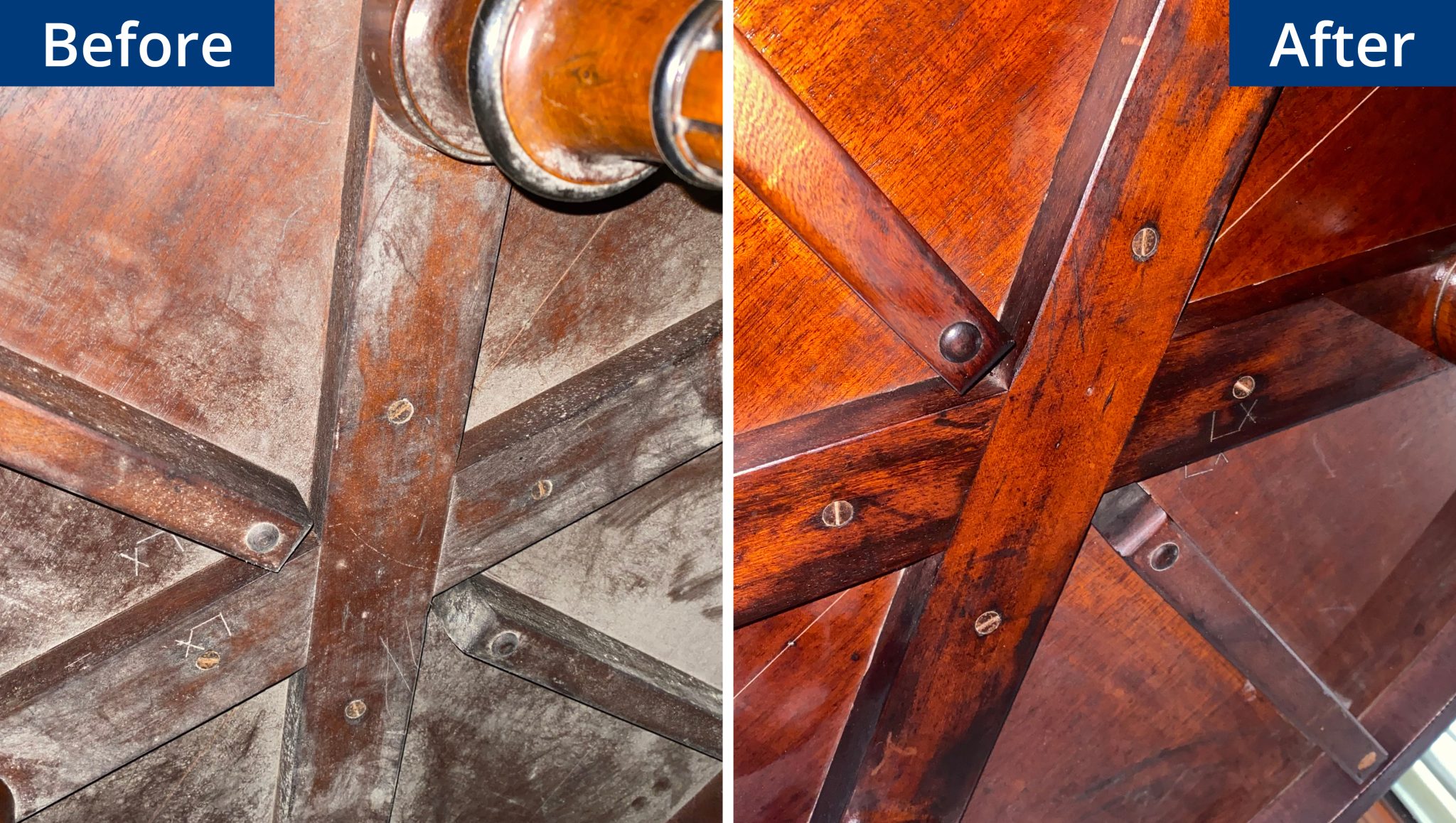
Verified Client Experiences
Discover why families and businesses across Sydney trust Nanotise for their health-critical sanitisation and mould remediation needs.

Fantastic job and really professional experience from the first enquiry. The team was amazing. Wouldn't hesitate to recommend this company!
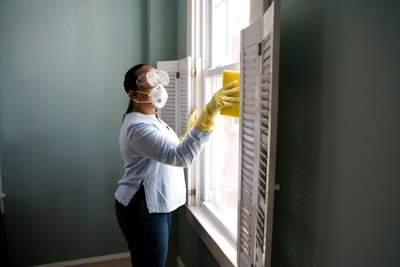
I found Nanotise to be fantastic. They assessed the mould issue and fixed it 2 days before Xmas. I now have a home that feels healthy again.
We are very glad we chose Nanotise for the remediation of our facility. It was a huge thing for us and they kept us in the loop all the way.
Fantastic job and really professional experience from the first enquiry. The team was amazing. Wouldn't hesitate to recommend this company!
I found Nanotise to be fantastic. They assessed the mould issue and fixed it 2 days before Xmas. I now have a home that feels healthy again.
We are very glad we chose Nanotise for the remediation of our facility. It was a huge thing for us and they kept us in the loop all the way.


Need more information?