Aged Care Facility
Mould Removal Sydney
Mould in aged care facilities presents serious health risks to residents with compromised immune systems, chronic respiratory conditions, and reduced capacity to tolerate environmental contaminants.
Nanotise has been providing specialised mould remediation for Sydney aged care facilities for over 16 years, understanding the unique requirements of treating occupied facilities where resident welfare, regulatory compliance, and operational continuity must be maintained throughout the remediation process. Our methods are designed to deliver thorough treatment with minimal disruption to residents and staff. mould removal services

Quick Overview: Aged Care Mould Remediation
Vulnerable population focus: Treatment protocols designed specifically for facilities housing elderly and immunocompromised residents
Minimal disruption methods: Staged remediation maintaining resident comfort, routines, and operational continuity
Regulatory awareness: Understanding of aged care facility compliance requirements and documentation needs
Comprehensive facility treatment: Resident rooms, common areas, kitchens, laundries, bathrooms, and HVAC systems
Ongoing prevention programs: Maintenance plans and staff training supporting long-term mould prevention

Why Sydney Aged Care Facilities Choose Nanotise
Aged care facility managers trust Nanotise because we understand the critical difference between residential mould treatment and aged care remediation. Your residents can't simply leave while work is done — they live here, and their health, comfort, and safety must be protected throughout every stage of the process.
Common Causes of Mould in Aged Care Facilities
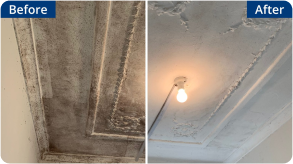
Our Aged Care Facility Remediation Process
Facility-Wide Assessment
Comprehensive inspection of all areas including resident rooms, bathrooms, common areas, kitchens, laundries, plant rooms, and ceiling and wall cavities. Moisture mapping identifies all contamination and moisture sources across the facility.
Treatment Planning with Management
Development of a staged remediation plan coordinated with facility management, considering resident needs, care schedules, meal times, and operational requirements. Clear communication ensures staff and residents are informed and comfortable.
Staged Area Treatment
Systematic treatment working through the facility in planned stages, using containment where necessary, HEPA air scrubbing to protect adjacent areas, and scheduling that minimises impact on residents and daily operations.
HVAC System Assessment and Treatment
Inspection and treatment of air conditioning systems, ductwork, and ventilation components. Contaminated HVAC systems distribute spores facility-wide, making system treatment essential for comprehensive remediation.
Antifungal Protection Application
Application of long-lasting CRX antifungal treatment to all treated surfaces throughout the facility, providing ongoing protection against mould re-establishment in the naturally humid aged care environment.
Prevention Plan and Documentation
Comprehensive prevention plan including maintenance schedules, ventilation recommendations, staff awareness guidance, and detailed treatment documentation supporting facility compliance and ongoing building management.

Signs Your Aged Care Facility Needs Professional Mould Treatment
Visible Mould in Resident Areas
Mould on walls, ceilings, or window frames in resident rooms and common areas indicates contamination in spaces where vulnerable residents spend extended periods. Prompt treatment protects resident health.
Musty Odours in Corridors or Rooms
Persistent musty smells in hallways, resident rooms, or common areas indicate mould growing on surfaces, within cavities, or in HVAC systems. Visitors and new staff often notice odours that long-term occupants have adapted to.
Recurring Mould After Cleaning
Maintenance staff repeatedly cleaning mould from the same areas indicates underlying moisture problems and potentially hidden contamination that surface cleaning cannot resolve.
Bathroom and Wet Area Deterioration
Deteriorating grout, failing silicone, peeling paint, and persistent mould in facility bathrooms indicates waterproofing and ventilation issues requiring professional assessment beyond routine maintenance.
Resident Health Patterns
Increases in respiratory complaints, allergic reactions, or infections among residents may indicate environmental mould exposure. Patterns affecting residents in specific areas can point to localised contamination sources.
Building Fabric Deterioration
Peeling paint, bubbling plaster, stained ceiling tiles, and deteriorating finishes throughout the facility indicate moisture problems likely associated with mould growth requiring comprehensive assessment.

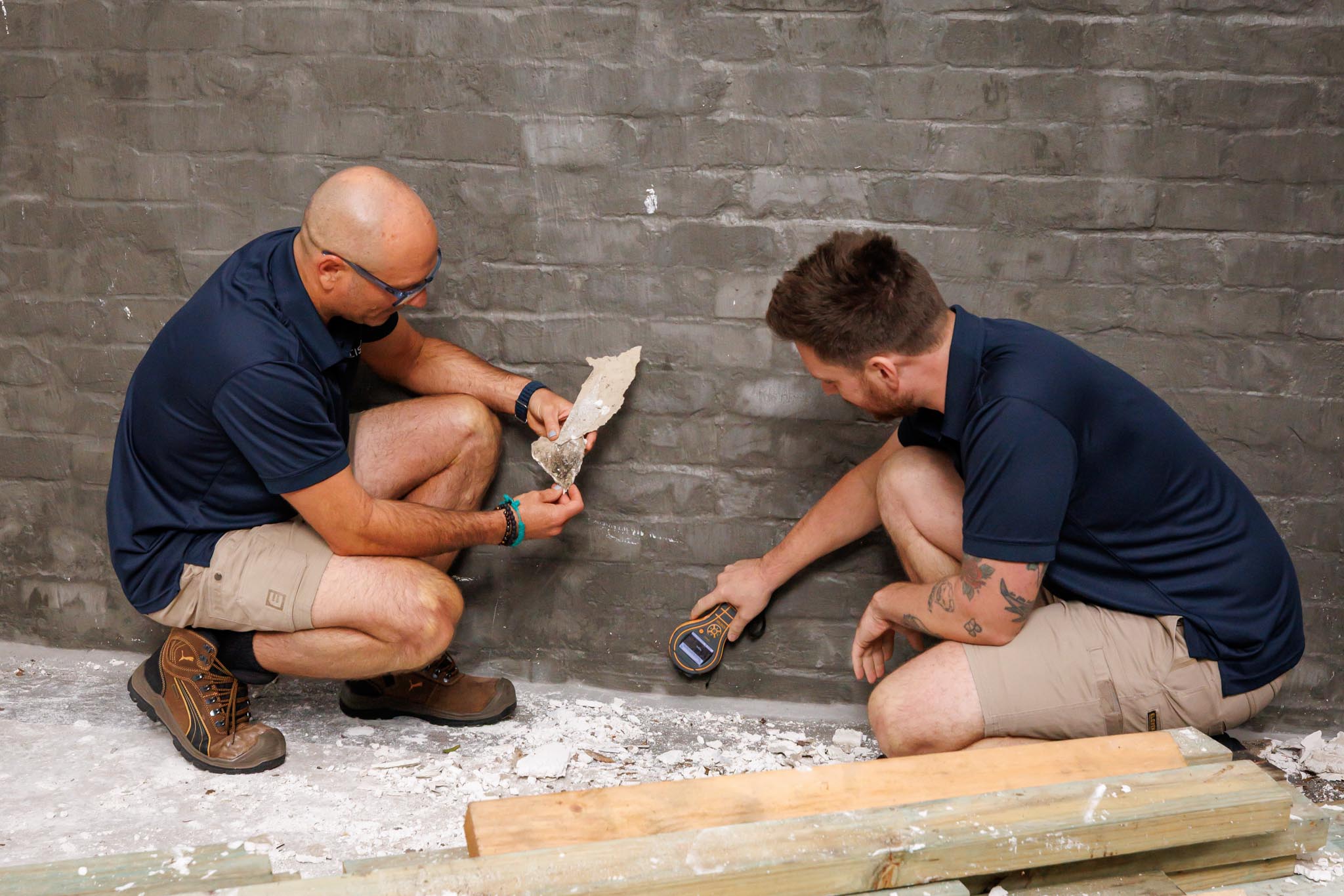
Aged Care Areas We Treat
Resident Rooms and Ensuites
Comprehensive treatment of individual living spaces including walls, ceilings, bathrooms, wardrobes, and window areas. Each room is treated with consideration for the resident's health status and personal belongings.
Common Areas and Dining Rooms
Treatment of lounges, dining rooms, activity areas, and corridors where multiple residents gather, ensuring shared spaces are free from contamination and safe for extended communal use.
Commercial Kitchens and Laundries
Treatment of high-moisture operational areas where cooking, washing, and steam generation create persistent humidity. Assessment of ventilation adequacy and moisture extraction in these critical facility spaces.
HVAC and Air Handling Systems
Inspection and treatment of air conditioning units, ductwork, filters, and ventilation systems that can distribute mould spores throughout the entire facility, affecting every room and resident.
Staff Areas and Offices
Treatment of nursing stations, staff rooms, medication rooms, and administrative areas where staff health and hygiene standards must be maintained for effective resident care.
Building Cavities and Plant Rooms
Treatment of wall and ceiling cavities, plant rooms, service risers, and concealed spaces where hidden contamination affects air quality throughout the facility without visible surface indicators.
Don't risk your health or your property
Use Sydney's mould removal experts and sleep easy, knowing you've used the best. Contact us now for a mould inspection.

Aged Care Facility Types We Service Across Sydney
Residential Aged Care Facilities
Full-service nursing homes throughout Sydney providing 24-hour care. These facilities face the greatest urgency for mould remediation due to residents with highest health vulnerability and longest exposure periods.
Retirement Villages
Independent and assisted living complexes across Sydney where ageing residents face elevated health risks from mould exposure. Common areas and individual units both require assessment and treatment.
Assisted Living Facilities
Supported accommodation throughout Sydney where residents with varying health needs require environments free from mould contamination. Treatment plans accommodate diverse resident care requirements.
Respite Care Centres
Short-term care facilities where incoming residents may have heightened health vulnerabilities. Clean, mould-free environments are essential for facilities accepting residents with varying health conditions.
Memory Care Units
Specialised dementia and memory care facilities where residents cannot report symptoms or avoid contaminated areas. Proactive environmental management and regular assessment is critical for resident protection.
Multi-Purpose Health Facilities
Combined aged care and health service buildings where mould contamination affects both residential and clinical areas, requiring treatment protocols appropriate for healthcare environments.
Mould Prevention Strategies for Aged Care Facilities
Implement Regular Building Inspections
Scheduled quarterly inspections of roofing, waterproofing, plumbing, and ventilation systems identify moisture issues before mould establishes. Proactive maintenance is significantly more cost-effective than reactive remediation.
Maintain HVAC Systems
Regular servicing of air conditioning systems, filter replacement schedules, and ductwork inspections prevent mould establishment within air handling systems that would distribute contamination throughout the facility.
Upgrade Ventilation Where Needed
Ensure exhaust fans in all bathrooms, kitchens, and laundries are adequate for actual moisture loads. Upgrade aging ventilation systems and ensure mechanical ventilation operates continuously in high-moisture areas.
Address Repairs Promptly
Prioritise repair of roof leaks, plumbing issues, waterproofing failures, and building envelope defects. In aged care settings, deferred maintenance creates health risks for vulnerable residents that far exceed repair costs.
Monitor Indoor Humidity
Install humidity monitoring in key areas throughout the facility. Maintaining humidity below 60% and responding to elevated readings prevents conditions that support mould growth in resident spaces.
Staff Awareness Training
Train facility staff to identify early signs of mould and moisture — musty odours, condensation, staining, peeling paint — and establish clear reporting procedures enabling early intervention.
Develop a Mould Management Plan
Comprehensive facility mould management plans incorporating regular inspections, maintenance schedules, response procedures, and treatment records support both resident safety and regulatory compliance requirements.
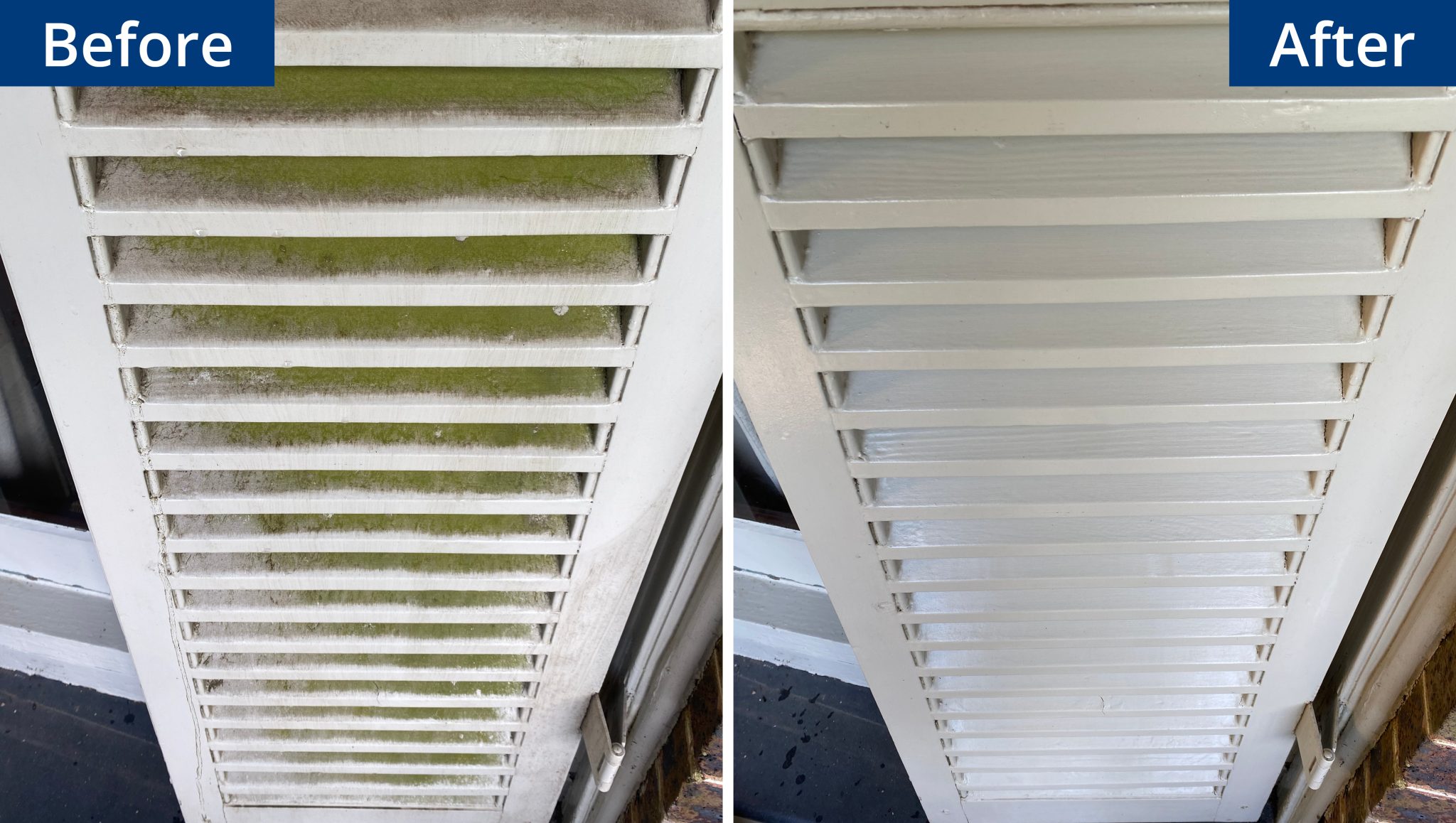
Frequently Asked Questions
Related Articles
COPD & Indoor Air Quality
Managing chronic obstructive pulmonary disease in high-humidity environments.
Read ArticleMould-Induced Asthma: Symptoms and Checklist
Learn how to identify if your asthma flares are caused by hidden fungal growth.
Read ArticleChildren's Health: Respiratory Vulnerability
Why infants and children are more susceptible to airborne mould spores.
Read ArticleSydney Aged Care Mould Remediation Specialists
Phone: 1800 NANOTISE
Available for Facility Assessment
Aged Care Specialists
Getting Started
Protect Your Residents and Your Facility
Don't let mould compromise resident health or facility compliance. Our specialised aged care remediation protects vulnerable residents while maintaining operational continuity and meeting regulatory requirements.
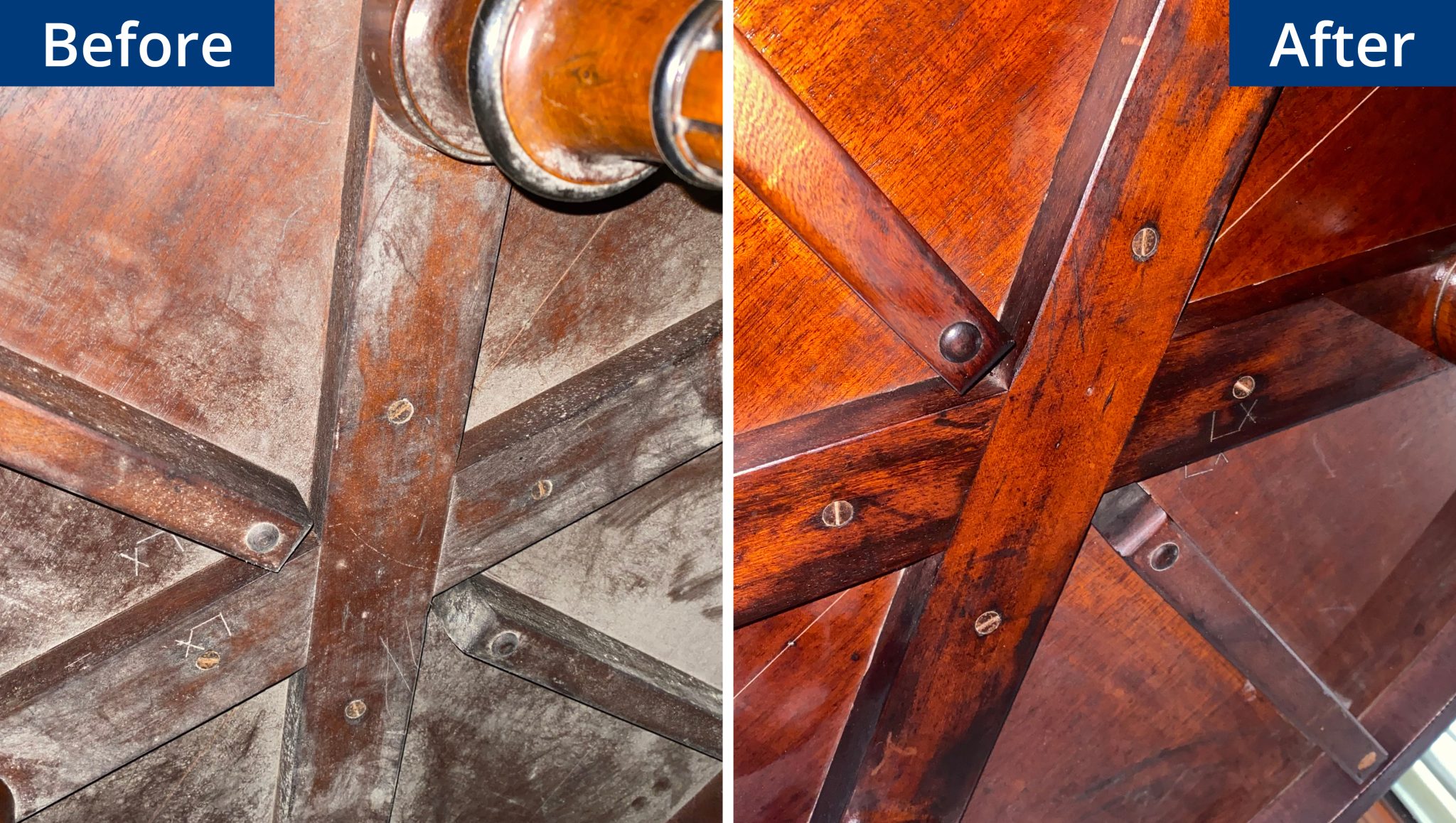
Verified Client Experiences
Discover why families and businesses across Sydney trust Nanotise for their health-critical sanitisation and mould remediation needs.

Fantastic job and really professional experience from the first enquiry. The team was amazing. Wouldn't hesitate to recommend this company!
I found Nanotise to be fantastic. They assessed the mould issue and fixed it 2 days before Xmas. I now have a home that feels healthy again.
We are very glad we chose Nanotise for the remediation of our facility. It was a huge thing for us and they kept us in the loop all the way.
Fantastic job and really professional experience from the first enquiry. The team was amazing. Wouldn't hesitate to recommend this company!
I found Nanotise to be fantastic. They assessed the mould issue and fixed it 2 days before Xmas. I now have a home that feels healthy again.
We are very glad we chose Nanotise for the remediation of our facility. It was a huge thing for us and they kept us in the loop all the way.


Need more information?