Industrial Facility
Mould Removal Sydney
Mould contamination in your Sydney industrial facility creates WHS hazards for workers, damages stock and materials, compromises product quality, and puts your operations and compliance at risk.
Nanotise has been providing professional mould remediation for Sydney industrial facilities for over 16 years, treating warehouses, factories, manufacturing plants, and food processing facilities where operational scale, worker safety, and product integrity demand specialised expertise. Our methods handle large-scale contamination efficiently while minimising production downtime. mould removal services

Quick Overview: Industrial Mould Remediation
Large-scale treatment capability: Equipment and methods designed for warehouse, factory, and industrial facility scale contamination
WHS compliance: Treatment and documentation meeting workplace health and safety requirements for industrial environments
Stock and product protection: Containment and treatment methods protecting inventory, raw materials, and finished goods
Minimal production downtime: Staged treatment and after-hours scheduling maintaining operational continuity
Food-grade facility expertise: Specialised treatment for food processing, pharmaceutical, and hygiene-sensitive industrial environments

Why Sydney Industrial Operators Choose Nanotise
Industrial facility managers trust Nanotise because warehouse and factory mould operates at a different scale — large spaces, high ceilings, extensive roof areas, and significant stock at risk demand remediation capability that matches your operational scope. Surface cleaning doesn't cut it at industrial scale.
Common Causes of Mould in Sydney Industrial Facilities
Our Industrial Mould Remediation Process
Facility Assessment and Scope
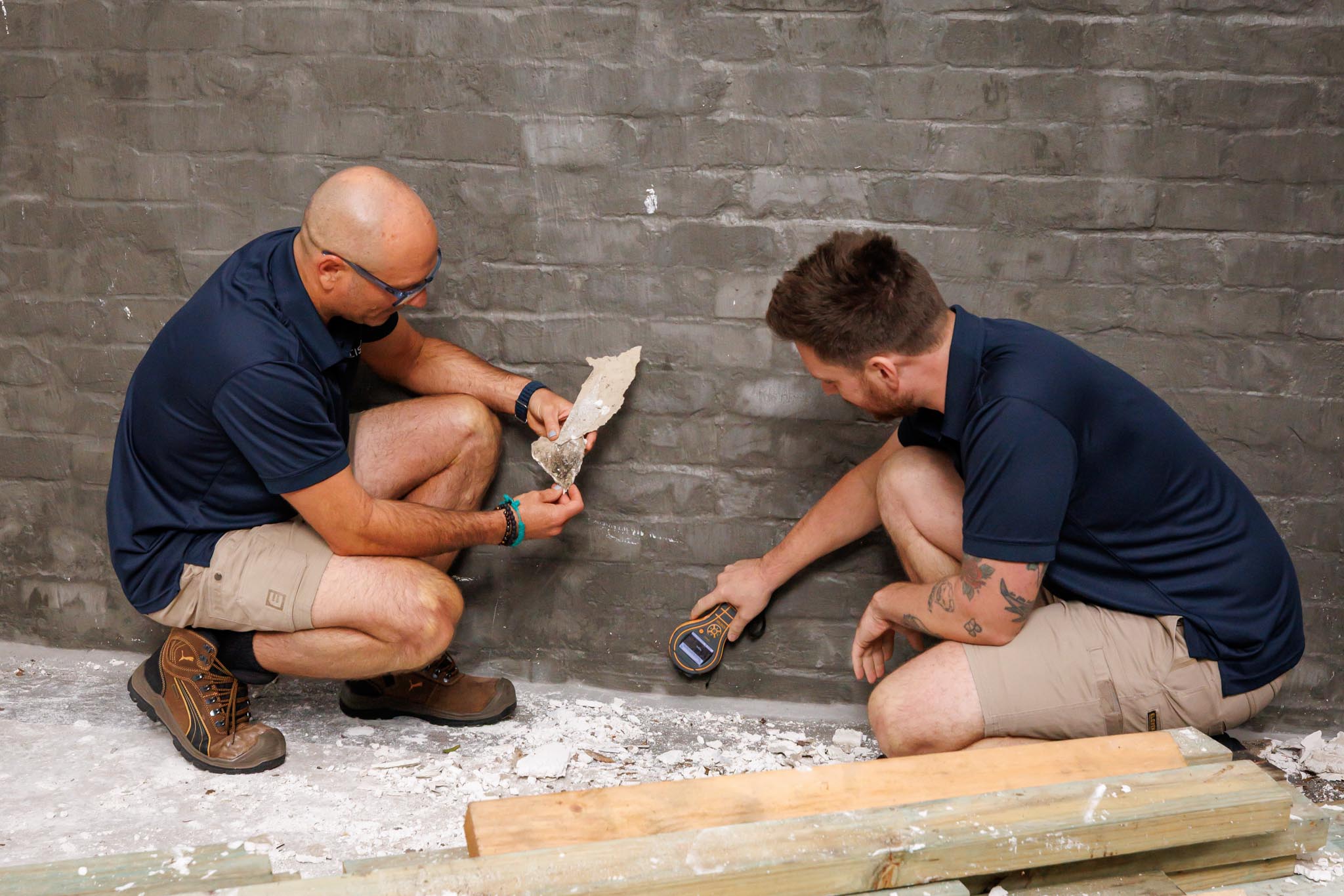
Comprehensive inspection of affected areas including roof structure, walls, floor, ventilation systems, and stock storage areas. Moisture mapping and contamination assessment determines treatment scope and methodology for your facility.
Treatment Plan and Scheduling
Development of a remediation plan coordinated with production schedules, shift patterns, and operational requirements. Stock relocation planning and containment strategies protect unaffected inventory during treatment.
Stock Protection and Containment
Implementation of containment barriers protecting clean stock, finished goods, and sensitive materials from spore dispersal during treatment. Contaminated stock is assessed for treatment or safe disposal guidance.
Large-Scale Surface Treatment
Industrial-scale application of antimicrobial and antifungal treatments across affected surfaces — walls, ceilings, structural steel, concrete floors, and racking systems. High-volume fogging treats large spaces efficiently.
Structural and Roof Space Treatment
Treatment of roof structures, purlins, insulation, and above-ceiling spaces where condensation and leaks create mould contamination that continuously recontaminates the facility below.
Protection and Maintenance Plan
Application of industrial-grade antifungal protection, ventilation improvement recommendations, and an ongoing maintenance plan addressing building fabric, moisture sources, and monitoring requirements for continued protection.

Signs Your Industrial Facility Needs Professional Mould Treatment
Visible Mould on Walls and Ceilings
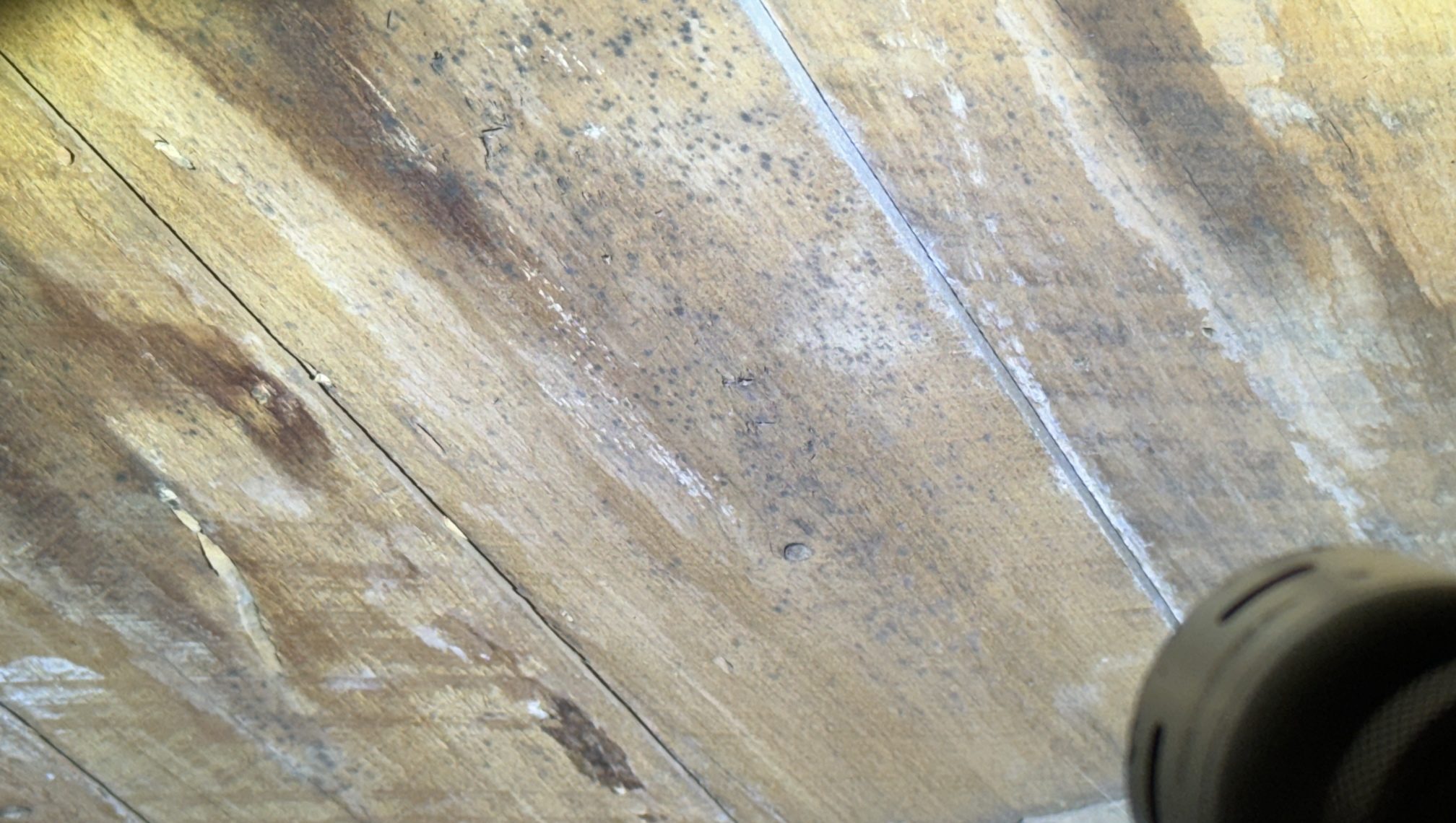
Mould growth on warehouse walls, factory ceilings, structural steel, or building cladding indicates moisture conditions promoting contamination that will spread to stock, equipment, and worker breathing zones.
Mould on Stock and Materials
Mould appearing on stored inventory, raw materials, packaging, or finished goods indicates environmental conditions requiring urgent attention. Stock losses escalate rapidly once facility conditions support mould growth.
Condensation Dripping from Roof
Water droplets forming on metal roofing and dripping onto stock and work areas indicates condensation problems creating widespread moisture promoting mould on building surfaces and stored materials.
Musty Odours Throughout the Facility
Persistent musty smells throughout warehouse or factory spaces indicate established mould contamination on building fabric, in roof spaces, or within poorly ventilated areas of the facility.
Worker Health Complaints
Multiple workers reporting respiratory symptoms, allergies, or health issues, particularly those in specific areas of the facility, may indicate mould contamination creating WHS-reportable workplace health concerns.
Water Staining on Concrete Floors
Damp patches, white salt deposits, or discolouration on concrete slab floors indicate moisture rising through the slab, creating conditions for mould growth on floor surfaces, racking, and ground-level stock.

Industrial Structures and Areas We Treat
Warehouse Storage Areas
Treatment of warehouse walls, floors, racking systems, and storage zones where environmental conditions promote mould growth affecting stock integrity and worker health in goods handling areas.
Manufacturing and Production Areas
Treatment of factory floors, production line surrounds, and manufacturing zones where process moisture, inadequate ventilation, and building conditions create mould contamination in active work environments.
Roof Structures and Insulation
Treatment of steel roof structures, purlins, insulation, and above-ceiling spaces where condensation and leaks create mould that sheds spores onto stock and work areas below.
Cool Rooms and Cold Storage
Treatment of refrigerated storage areas and surrounding walls, ceilings, and floors where temperature differentials create condensation-driven mould conditions compromising food safety and storage integrity.
Office and Amenities Areas
Treatment of facility offices, lunchrooms, bathrooms, and changerooms where building conditions affect staff health and comfort in spaces within or adjacent to industrial operations.
Loading Docks and External Areas
Treatment of loading dock walls, roller door surrounds, and transitional areas where weather exposure, temperature changes, and limited weatherproofing create mould conditions in goods handling zones.
Don't risk your health or your property
Use Sydney's mould removal experts and sleep easy, knowing you've used the best. Contact us now for a mould inspection.

Industrial Facilities We Service Across Sydney
Warehouses and Distribution Centres
Storage and logistics facilities across Western Sydney industrial areas including Wetherill Park, Eastern Creek, Smithfield, and Moorebank where large roof areas and stock protection are primary concerns.
Manufacturing Plants
Factories and production facilities throughout Sydney's industrial zones where process moisture, operational ventilation demands, and worker safety requirements create specialised mould remediation needs.
Food Processing Facilities
Food manufacturing and processing operations where mould contamination threatens food safety compliance, HACCP certification, and product integrity requiring treatment meeting food-grade standards.
Pharmaceutical and Clean Rooms
Pharmaceutical manufacturing and clean room environments where stringent contamination control requirements demand specialised assessment and treatment protocols maintaining facility certification.
Self-Storage Facilities
Storage unit complexes where tenant possessions require protection from facility mould contamination. Treatment addresses building conditions while protecting contents across multiple units.
Agricultural Storage
Grain storage, cold storage, and agricultural processing facilities where mould contamination threatens product quality, food safety compliance, and operational viability of stored agricultural commodities.
Mould Prevention for Sydney Industrial Facilities
Maintain Roof Integrity
Regular inspection and repair of industrial roofing, guttering, flashings, and cladding prevents water ingress that causes large-scale contamination. Proactive roof maintenance is the single most effective prevention measure for industrial facilities.
Improve Ventilation and Air Circulation
Ensure adequate natural or mechanical ventilation for your facility's moisture load. Industrial fans, louvre ventilation, ridge vents, and mechanical extraction systems reduce humidity preventing mould establishment.
Address Condensation Proactively
Install insulation beneath metal roofing, improve air circulation to reduce temperature differentials, and consider anti-condensation coatings on metal surfaces prone to dripping in your facility.
Install Moisture Barriers in Slabs
For new construction or slab remediation, adequate moisture barriers prevent ground moisture migrating through concrete into facility spaces. Existing slabs can be sealed to reduce moisture transmission.
Protect Stock from Moisture
Store materials on racking rather than directly on floors, maintain clearances from walls, and ensure stock rotation prevents materials remaining in vulnerable positions during humid periods.
Respond to Water Events Rapidly
Any flooding, significant leak, or water damage requires immediate professional drying. Industrial-scale water events create industrial-scale mould contamination within 48-72 hours without rapid intervention.
Implement Regular Facility Inspections
Scheduled inspections of roofing, ventilation, drainage, and building fabric identify developing moisture issues before mould establishes. Quarterly inspections with additional checks after severe weather events are recommended.
Frequently Asked Questions
Related Articles
Effective Methods of Mould Removal
Compare DIY and professional mould removal approaches. Learn which methods work and when to call in the experts.
Read ArticleFive Steps in Successful Mould Removal
A professional framework for tackling mould removal systematically, from assessment through to prevention.
Read ArticleEmergency Warning Signs in the Workplace
Identifying toxic mould colonization in commercial facilities.
Read ArticleSydney Industrial Mould Remediation Specialists
Phone: 1800 NANOTISE
Available for Facility Assessment
Industrial Solutions
Getting Started
Protect Your Workers, Stock, and Operations
Don't let mould contamination compromise worker safety, damage valuable inventory, or create compliance liabilities. Our industrial-scale remediation delivers thorough treatment matched to the operational demands of your facility.
Verified Client Experiences
Discover why families and businesses across Sydney trust Nanotise for their health-critical sanitisation and mould remediation needs.

Fantastic job and really professional experience from the first enquiry. The team was amazing. Wouldn't hesitate to recommend this company!

I found Nanotise to be fantastic. They assessed the mould issue and fixed it 2 days before Xmas. I now have a home that feels healthy again.
We are very glad we chose Nanotise for the remediation of our facility. It was a huge thing for us and they kept us in the loop all the way.
Fantastic job and really professional experience from the first enquiry. The team was amazing. Wouldn't hesitate to recommend this company!
I found Nanotise to be fantastic. They assessed the mould issue and fixed it 2 days before Xmas. I now have a home that feels healthy again.
We are very glad we chose Nanotise for the remediation of our facility. It was a huge thing for us and they kept us in the loop all the way.


Need more information?