Removing Mould from Your Home
Mould contamination in residential properties is a serious issue that requires prompt and appropriate action. Whether you tackle small patches yourself or engage professional services for extensive infestations, understanding the correct removal methods protects both property value and household health. This comprehensive guide covers everything Sydney homeowners need to know about safely removing mould from their homes.
Understanding the Scope of Your Mould Problem
Before beginning any removal work, accurately assess the extent of contamination in your property. Surface mould on bathroom tiles differs dramatically from hidden colonies growing inside wall cavities after water damage. The size, location, and type of mould all influence which removal approach is most appropriate.
Small surface patches under one square metre on non-porous materials like glass or tiles can often be addressed with household cleaning methods. However, mould affecting porous materials such as drywall, insulation, carpet, or timber requires professional assessment, as spores penetrate deep into these substrates where surface cleaning cannot reach.
If mould has spread across multiple rooms, appears behind walls, or returns repeatedly after cleaning, professional forensic inspection is essential. Hidden moisture sources must be identified and eliminated before any treatment can provide lasting results.
- Measure the total affected area across all surfaces and rooms
- Identify whether mould is growing on porous or non-porous materials
- Check for water stains, soft spots, or musty odours indicating hidden growth
- Assess whether health symptoms among residents have worsened recently
Safety Precautions Before Starting Removal
Mould spores become airborne during disturbance and can trigger respiratory reactions, allergic responses, and in some cases serious health complications. Proper protective equipment is not optional when working with mould colonies, regardless of size.
Anyone with asthma, immune system disorders, or respiratory conditions should not attempt mould removal themselves. Pregnant women, young children, and elderly residents should vacate the property during active removal work and not return until after thorough ventilation and clearance testing.
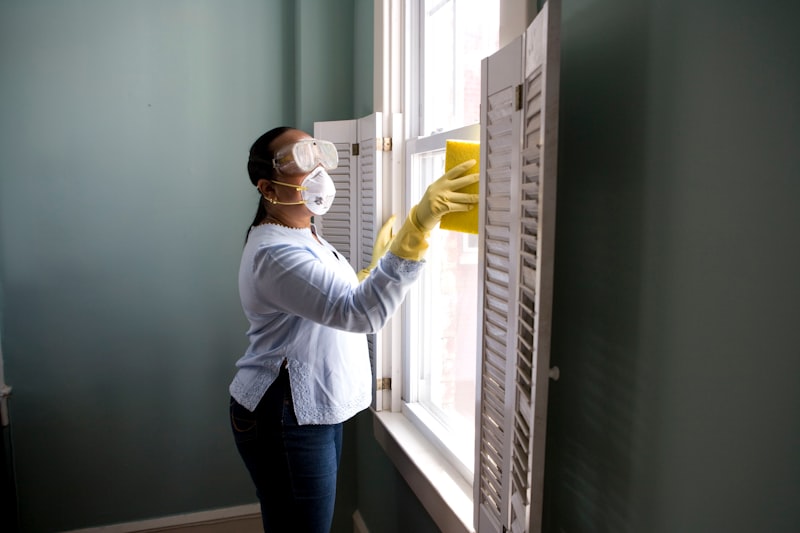
- Wear N95 or P2-rated respirator masks to prevent spore inhalation
- Use protective gloves, safety goggles, and long-sleeved clothing
- Ensure the work area has adequate ventilation with windows open
- Seal doorways with plastic sheeting to prevent spore migration to other rooms
- Turn off air conditioning and heating systems to avoid spreading spores through ducts
Never mix cleaning products, especially bleach with ammonia-based cleaners. This combination creates toxic chloramine gas that can cause severe respiratory damage.
DIY Removal Methods for Small Surface Mould
For small patches of surface mould on hard, non-porous materials, homeowners can use several effective cleaning solutions. Commercial mould removal products containing fungicides are available at hardware stores, but household ingredients can also be effective for minor cases.
White vinegar is a natural fungicide that kills approximately 82% of mould species. Apply undiluted white vinegar directly to the affected surface using a spray bottle, allow it to sit for one hour, then scrub thoroughly with a brush and wipe clean. For persistent stains, repeat the process.
Baking soda mixed with water creates a mild abrasive solution that removes mould while absorbing moisture and neutralising odours. Combine one quarter tablespoon of baking soda with water in a spray bottle, shake well, spray the affected area, scrub, then rinse and dry thoroughly.
- Hydrogen peroxide (3% solution) kills mould and removes stains from porous surfaces
- Tea tree oil diluted in water provides natural antifungal action with lasting residual effect
- Borax mixed with warm water creates alkaline conditions that prevent regrowth
- Commercial products should be used exactly according to manufacturer instructions
Bleach kills surface mould on non-porous materials but does not penetrate porous substrates. It also releases harsh fumes and can damage certain surfaces. Use with extreme caution in well-ventilated areas only.
Materials That Cannot Be Successfully Cleaned
Some materials absorb moisture so deeply that cleaning surface mould does not eliminate the infestation. These items require complete removal and replacement to prevent ongoing spore release and potential regrowth.
Carpet and underlay that have been wet for more than 48 hours will have developed mould throughout the material structure. Steam cleaning or surface treatment cannot reach colonies embedded in carpet backing and padding. Similarly, mattresses and upholstered furniture affected by mould contamination cannot be adequately cleaned and should be discarded.
Drywall, plasterboard, ceiling tiles, and insulation materials are highly porous and provide ideal conditions for deep mould penetration. Once these materials show visible surface mould, extensive growth has already occurred within the material itself. Professional remediation typically involves cutting away and replacing contaminated sections.
- Ceiling tiles with visible stains or soft spots must be replaced entirely
- Books, papers, and cardboard items cannot be cleaned once mould establishes
- Timber framing with deep mould penetration requires specialist assessment and treatment
When Professional Remediation Is Essential
Several situations require professional intervention rather than DIY attempts. The Australian Mould Guidelines and Work Health and Safety Act 2011 specify circumstances where trained technicians with appropriate equipment must handle removal work.
Mould contamination exceeding three square metres in total area requires professional remediation. At this scale, the volume of disturbed spores poses significant health risks, and proper containment procedures including negative air pressure and HEPA filtration become necessary.
Any mould growth resulting from sewage or contaminated water requires professional handling due to bacterial and viral pathogens present alongside fungal contamination. Similarly, mould affecting HVAC systems, inside wall cavities, or beneath flooring cannot be accessed or treated effectively without specialised knowledge and equipment.
Insurance policies often require professional documentation of the contamination source, removal methods used, and clearance testing results. DIY treatment may void coverage for related damage claims.
Professional Mould Removal Process at Nanotise
Professional remediation follows a systematic approach designed to eliminate existing contamination while preventing future recurrence. At Nanotise, our process begins with forensic inspection using thermal imaging and moisture detection technology to identify all affected areas including hidden growth behind walls and under floors.
We establish containment zones with plastic sheeting and negative air machines to prevent cross-contamination during removal. HEPA-rated air filtration units continuously clean the air, capturing microscopic spores that become airborne during the work. Contaminated materials are carefully removed and disposed of according to environmental regulations.
Following removal of affected materials, we apply hospital-grade TGA-registered antimicrobial treatments to all surfaces. The final step involves our proprietary CRX nanotechnology barrier protection, which creates an invisible molecular shield that prevents future mould attachment and growth for years to come.
- Comprehensive moisture source identification and repair recommendations
- Air quality testing before and after treatment to verify complete remediation
- Detailed documentation and reporting for insurance and property records
- 12-month warranty on all treatment areas with proper ventilation maintained
Preventing Mould from Returning After Removal
Successful mould removal addresses the contamination, but preventing recurrence requires eliminating the conditions that allowed growth in the first place. Moisture control is the single most important factor in long-term prevention.
Fix all water leaks immediately, including dripping taps, damaged roof tiles, and compromised plumbing. Ensure bathroom and kitchen exhaust fans vent directly outside rather than into roof spaces. Use dehumidifiers in chronically damp areas to maintain indoor relative humidity below 55 percent.
Increase natural ventilation by opening windows during dry weather to promote cross-flow of fresh air through the property. In Sydney during humid summer months from November through March, air conditioning helps control both temperature and humidity levels. Regular cleaning of air conditioning filters prevents them from becoming mould distribution points.
- Clean and dry any water spills or condensation within 24 hours
- Space furniture away from external walls to allow air circulation behind items
- Trim vegetation around the property perimeter to improve airflow and reduce shade
- Direct downpipes and surface drainage away from building foundations
- Schedule annual professional inspections to catch early warning signs before visible growth appears
Key Takeaways
- Small surface mould on non-porous materials under 1 square metre can often be cleaned safely using household methods with proper protective equipment
- Porous materials including carpet, drywall, and insulation typically require removal and replacement rather than cleaning when mould contamination occurs
- Professional remediation becomes essential when mould exceeds 3 square metres, affects multiple rooms, or involves sewage contamination
- Protective equipment including N95 masks, gloves, and eye protection is mandatory during any mould removal work to prevent health complications
- Eliminating moisture sources is more important than removing visible mould, as spores will regrow if conditions remain favourable
- Nanotise offers comprehensive forensic inspections, hospital-grade treatments, and CRX nanotechnology barrier protection with 12-month warranties
Frequently Asked Questions
Professional mould removal costs vary based on contamination extent, affected materials, and accessibility. Small bathroom treatments may start around $800-$1200, while whole-home remediation can range from $3000-$10000 or more. Nanotise provides free forensic assessments with detailed quotes before any work begins, ensuring complete transparency with no hidden costs.
Treatment timeframes depend on the affected area size and materials involved. Small bathroom remediation typically takes one to two days including drying time. Extensive whole-home treatment with structural repairs may require one to two weeks. Nanotise provides realistic timelines during the initial assessment and coordinates work to minimise disruption to your household.
For small isolated treatments in bathrooms or single rooms, residents can often remain in unaffected areas of the home. However, extensive remediation requiring containment zones, material removal, and heavy chemical treatments typically requires temporary relocation for 24-48 hours. Your health and safety always take priority when determining occupancy during active removal work.
Cleaning removes visible surface mould but does not address moisture sources, hidden growth, or contaminated porous materials. Professional remediation includes forensic inspection to find all affected areas, moisture source identification and repair recommendations, removal of contaminated materials that cannot be cleaned, antimicrobial treatment, and protective barrier application to prevent regrowth. This comprehensive approach delivers lasting results rather than temporary cosmetic improvement.
Residential Mould Removal
Specialist mould removal for Sydney homes — from surface treatment to full cavity remediation.
Learn MoreCarpet & Flooring Mould Removal
Safe removal of mould from carpets, underlay, and hard flooring surfaces with HEPA vacuuming and treatment.
Learn MoreWall & Ceiling Cavity Mould Removal
Hidden mould removal from wall and ceiling cavities using thermal imaging, fogging, and chlorine dioxide gassing.
Learn MoreConcerned About Mould?
Our senior consultants provide expert assessments and tailored treatment plans for Sydney homes and businesses. 16+ years of experience.