Bathroom Repairs to Help with Mould Problems
Bathrooms are the most mould-prone spaces in any home due to constant moisture exposure and frequent temperature fluctuations. While cleaning visible mould provides temporary relief, targeted repairs that address underlying moisture issues deliver lasting protection. Strategic bathroom repairs can eliminate the conditions that allow mould colonies to establish and thrive.
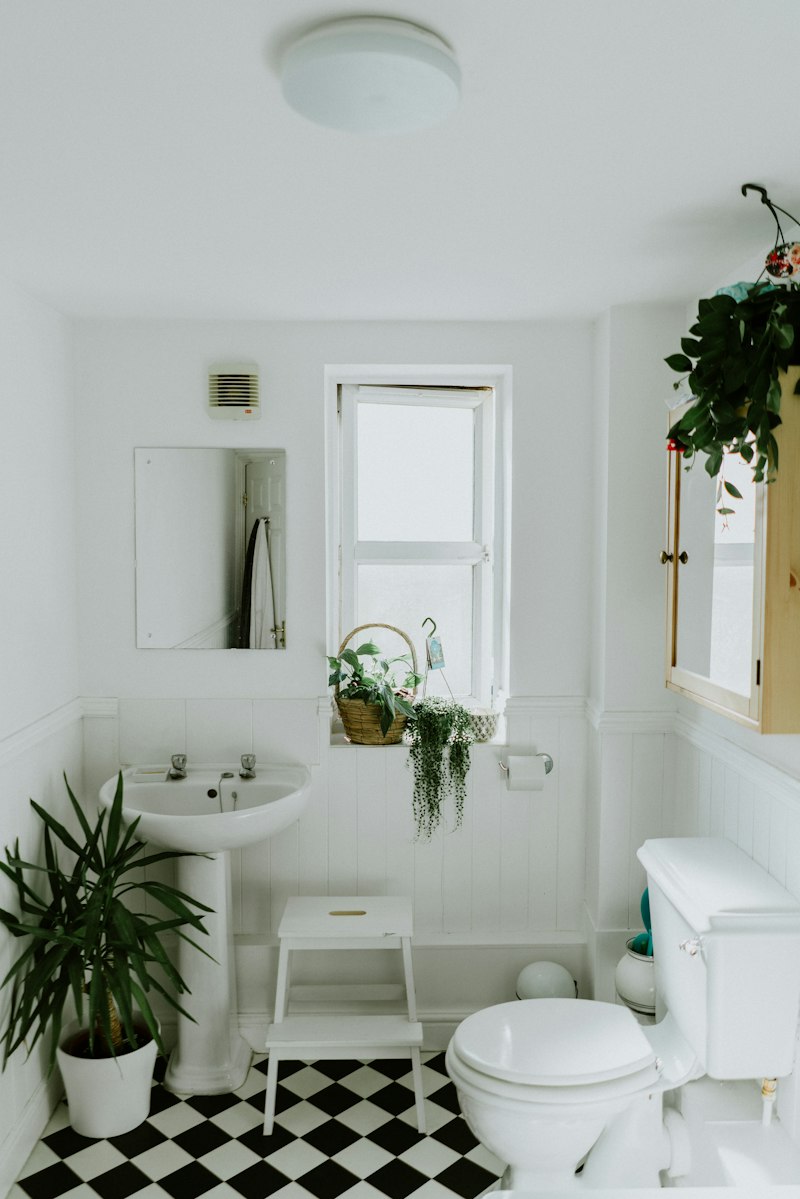
Repair and Upgrade Bathroom Ventilation Systems
Inadequate ventilation is the primary contributor to bathroom mould problems in Sydney homes. When humid air cannot escape efficiently, moisture condenses on cold surfaces and creates ideal conditions for rapid mould colonisation.
Many older properties have undersized exhaust fans that fail to remove moisture adequately. Modern building standards recommend fans with a minimum extraction rate of 25 litres per second for standard bathrooms. Upgrading to a properly sized unit with humidity-sensing technology provides continuous protection without requiring manual operation.
The exhaust duct must vent directly to the outside, not into ceiling cavities or roof spaces where trapped moisture can cause widespread hidden mould growth. During repairs, verify that the duct is properly sealed, insulated, and terminates outside the building envelope.
- Replace undersized fans with units rated for your bathroom volume
- Install humidity-sensing models that activate automatically when moisture rises
- Ensure duct work is rigid or semi-rigid metal rather than flexible foil
- Position the fan near the shower or bath where moisture concentration is highest
- Clean fan grilles quarterly to maintain optimal air flow
Fix Grout and Tile Deterioration
Cracked, crumbling, or missing grout between tiles creates direct pathways for water to penetrate behind wall surfaces. Once moisture reaches the substrate, mould can establish extensive colonies that remain hidden until structural damage becomes severe.
The darkening of grout lines with black or grey discoloration indicates that mould has already penetrated the porous material. Surface cleaning only addresses visible contamination while leaving deeper colonies intact.
Professional grout repair involves complete removal of compromised material, thorough drying of the substrate, treatment of any existing mould, and reapplication of high-quality epoxy grout that resists moisture penetration and inhibits future fungal growth. Sealing the repaired grout with a penetrating sealer provides additional long-term protection.
Recurring dark stains on grout indicate that moisture is penetrating behind the tiles. This requires immediate intervention before structural damage occurs to the wall substrate.
Address Silicone Sealant Failures
Silicone sealant around baths, showers, and basins forms a critical waterproof barrier that prevents water from seeping into wall cavities and under flooring. When sealant degrades, shrinks, or separates from surfaces, water intrusion occurs with every use of the bathroom.
Mould frequently colonises failing silicone, appearing as pink, orange, or black discoloration. The presence of mould on sealant indicates that moisture is also reaching materials behind it. Simply cleaning or painting over the mould does not resolve the underlying failure.
Complete removal of old sealant followed by thorough surface preparation and application of mould-resistant silicone provides effective protection. The substrate must be completely dry before applying new sealant to prevent trapping moisture that will immediately promote mould regrowth.
- Remove all existing sealant using a proper scraping tool
- Clean surfaces thoroughly with isopropyl alcohol to remove residue and contaminants
- Allow surfaces to dry completely for at least 24 hours before resealing
- Use mould-resistant sanitary-grade silicone specifically formulated for wet areas
- Maintain a consistent bead width and ensure proper adhesion to both surfaces
Repair Leaking Fixtures and Plumbing
Even minor leaks from taps, shower heads, toilet connections, or concealed pipes provide continuous moisture that sustains active mould growth. Water that pools on surfaces or seeps into wall cavities creates conditions where mould can proliferate rapidly.
Leaks behind walls often go undetected until significant damage has occurred. Water stains on ceilings in rooms below bathrooms, unexplained increases in water bills, or persistent dampness around fixtures all indicate hidden leaks that require immediate professional assessment.
Professional plumbing repairs should include pressure testing of the entire system to identify compromised seals, worn washers, corroded pipes, or faulty fixtures. Replacing aging components proactively prevents the extensive damage and remediation costs associated with hidden water intrusion.
Restore Waterproofing Membranes
Waterproofing membranes beneath tiles and around wet area perimeters form the primary defence against water penetration into structural elements. When these membranes fail due to age, poor installation, or structural movement, water reaches timber framing, plasterboard, and insulation where mould can develop extensively before becoming visible.
In Sydney properties built before 1998 when modern waterproofing standards were introduced, the absence or failure of proper membranes is extremely common. Symptoms include recurring mould on walls adjacent to bathrooms, ceiling stains in rooms below, or musty odours that persist despite surface cleaning.
Restoring failed waterproofing requires removing tiles to access the substrate, treating any existing mould, applying a compliant waterproof membrane system, and retiling. While this represents significant investment, it eliminates the fundamental cause of chronic mould problems and prevents far more costly structural repairs.
If mould repeatedly returns to the same bathroom area despite thorough cleaning, failed waterproofing is the likely cause. Surface treatments cannot resolve substrate-level moisture intrusion.
Improve Window and Door Seals
Bathroom windows and doors that do not seal properly allow moisture-laden air to migrate into adjacent rooms and ceiling cavities. Inadequate seals also permit cold external air to enter, increasing condensation on bathroom surfaces during Sydney winter months from May through September.
Damaged weather stripping, warped door frames, or poorly fitted windows should be repaired to maintain moisture containment within the bathroom where ventilation systems can remove it effectively. This prevents moisture from spreading to bedrooms, hallways, and roof spaces where ventilation may be inadequate.
- Replace worn weather stripping around doors with self-adhesive foam or brush seals
- Adjust door alignment if gaps exceed 3-5 millimetres at any point
- Repair or replace single-pane windows with double-glazed units to reduce condensation
- Install or replace window seals if moisture escapes around closed frames
- Ensure bathroom doors can close completely without forcing or binding
Address Structural Issues Affecting Drainage
Bathroom floors must slope toward drains to prevent water pooling. Over time, structural settlement or improper initial construction can create low spots where water accumulates after showering or bathing. Standing water provides sustained moisture for rapid mould establishment.
Shower bases that crack or develop uneven surfaces require complete reconstruction to restore proper drainage function. Temporary repairs with sealants or patching compounds fail quickly under constant water exposure and thermal cycling.
Professional assessment should determine whether floor leveling, drain repositioning, or complete shower base replacement is required. While extensive repairs represent significant investment, they eliminate persistent moisture problems that make ongoing mould issues inevitable.
Professional Assessment and Long-Term Protection
Determining which repairs will most effectively resolve bathroom mould problems requires expertise in building pathology, moisture dynamics, and mould behaviour. Surface symptoms often result from multiple interacting failures that require comprehensive assessment to identify.
Nanotise provides detailed forensic inspections using thermal imaging, moisture meters, and air sampling to identify all contributing factors. Our assessment reports prioritise repairs based on their impact on moisture control and mould prevention, ensuring your investment delivers maximum protection.
Following structural repairs, our TGA-registered treatment systems eliminate existing mould contamination and apply CRX nanotechnology barrier protection. This advanced coating creates a molecular-level barrier that inhibits mould colonisation on treated surfaces, providing long-term protection that far exceeds conventional treatments. With over 16 years of experience treating Sydney bathrooms, we understand the specific challenges presented by the coastal climate and older building stock.
Key Takeaways
- Effective ventilation is essential — undersized or improperly vented exhaust fans cannot remove moisture adequately
- Failing grout and sealant allow water to penetrate behind tiles where extensive hidden mould can develop
- Even minor plumbing leaks provide continuous moisture that sustains active mould growth in concealed spaces
- Failed waterproofing membranes are the primary cause of chronic bathroom mould that returns despite cleaning
- Proper bathroom drainage prevents standing water that creates ideal conditions for rapid mould colonisation
- Professional assessment identifies all contributing factors rather than addressing only visible symptoms
Frequently Asked Questions
Effective repairs address the moisture source rather than just treating visible mould. If water intrusion, inadequate ventilation, or failing waterproofing is corrected, mould cannot re-establish because the conditions that support its growth are eliminated. Professional assessment identifies which repairs will have the greatest impact.
While prioritising repairs based on severity is practical, delaying critical moisture-control repairs allows ongoing damage and health exposure. Active leaks, failed waterproofing, and inadequate ventilation should be addressed promptly. Less urgent cosmetic repairs can follow once moisture control is established.
Many bathroom mould problems result from building design or construction deficiencies rather than maintenance failures. Inadequate original waterproofing, undersized ventilation, and structural issues are common in Sydney properties, particularly those built before modern standards were introduced in the late 1990s.
Simple repairs like silicone replacement or exhaust fan upgrades typically require only hours and minimal disruption. Extensive work involving waterproofing restoration or structural repairs may require several days and alternative bathing arrangements. Your contractor should provide a detailed timeline during the quotation phase.
Bathroom Mould Removal
Specialist bathroom mould removal addressing wet area waterproofing, ventilation, and hidden cavity contamination.
Learn MoreSubfloor Mould Removal
Subfloor mould remediation targeting rising damp, poor drainage, and ventilation issues beneath your home.
Learn MoreMould Removal Sydney
Professional mould removal services across Sydney using TGA-registered treatments and nanotechnology barrier protection.
Learn MoreConcerned About Mould?
Our senior consultants provide expert assessments and tailored treatment plans for Sydney homes and businesses. 16+ years of experience.