Professional Mould Removal Harris Park
Harris Park properties face distinct mould challenges from Western Sydney heat, river proximity, and dense urban development. Nanotise delivers targeted mould remediation using TGA-registered treatments and exclusive CRX nanotechnology barriers, protecting homes across this vibrant multicultural community for over 16 years.
Our team understands the unique building stock in Harris Park, from older weatherboard cottages to modern high-density apartments near the station precinct. With rapid response from our nearby office, we provide thorough forensic inspections and lasting protection tailored to your property type.
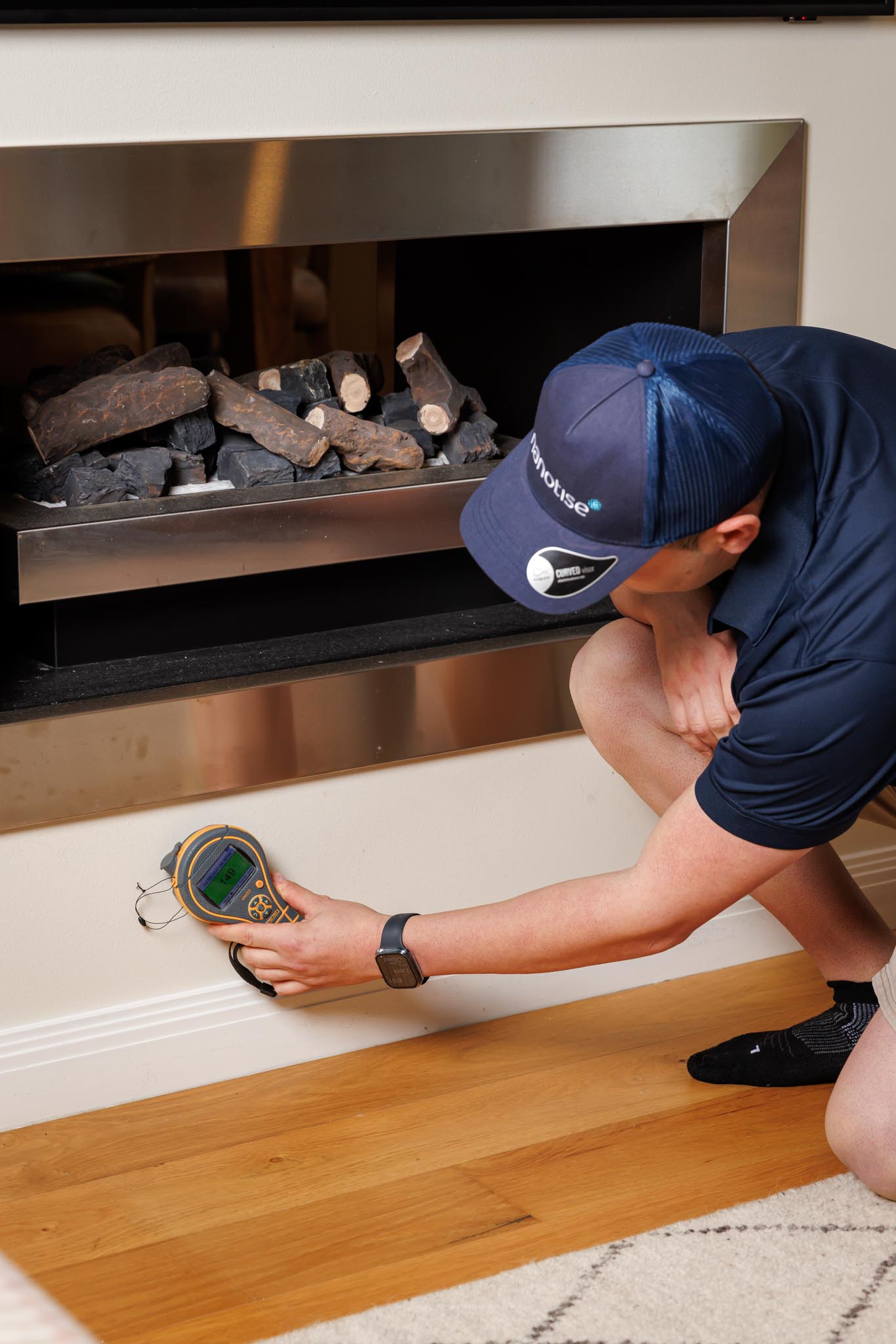
Protecting Harris Park homes from mould
Why Nanotise?
At Nanotise, we take mould seriously – and we think you should too.
Visible mould may only represent a small part of the problem; if underlying causes and hidden mould colonies are not identified and treated, then your time and money could be wasted.
A bad remediator can make your existing mould problem worse by misdiagnosing the underlying problem, not putting in place proper controls to stop the spread of mould during treatment, or using ineffective processes for killing and removing mould spores.
Common Mould Problems in Harris Park
Harris Park's unique geography and architecture create specific mould challenges that require local expertise.
Rapid apartment construction in Harris Park has introduced ventilation and moisture control issues, particularly in buildings prioritising affordability over proper airflow design.
- New builds with inadequate exhaust systems in wet areas
- Shared wall moisture transfer between adjoining units
- Internal bathrooms lacking natural ventilation pathways
- Window condensation from cooking and humidity buildup
Many Harris Park homes date back decades, with outdated plumbing, deteriorating subfloor structures, and compromised weatherproofing that allows persistent moisture infiltration.
- Timber flooring with subfloor dampness from poor drainage
- Leaking roof valleys and degraded guttering systems
- Original bathroom tiles with cracked grout and water seepage
- Wall cavities retaining moisture from historic water events
Specialist knowledge of Harris Park's environmental conditions and building styles.
Official Google Maps Listing for Nanotise
Why Harris Park Properties Need Treatment
Environmental Factors
Harris Park sits within the Cumberland Plain basin, experiencing intense summer heat that drives indoor condensation and elevated year-round humidity from nearby Duck River and Parramatta River tributaries.
- Western Sydney summer heat peaks
- River valley moisture retention
- Urban concrete heat reflection
- Limited natural airflow corridors
Property Values
As Harris Park transforms into a major residential hub with new transport links, property values are rising rapidly. Mould damage can severely undermine investment returns and tenant satisfaction.
- Pre-lease mould clearance certificates
- Landlord duty-of-care compliance
- Buyer building inspection readiness
- Long-term structural asset protection
Health & Occupancy
Dense occupancy patterns and multi-generational households in Harris Park increase exposure risks. Children, elderly residents, and those with respiratory sensitivities require immediate professional intervention.
- Respiratory irritation prevention protocols
- Spore colonisation eradication methods
- Indoor air quality restoration testing
- Safe re-occupancy verification standards
Specialised Harris Park Services
01Multi-Unit Residential Treatment
Harris Park apartments and townhouse complexes demand coordinated remediation that respects diverse occupancy needs and strata responsibilities.
- Strata-compliant reporting and work schedules
- Neighbour notification and access coordination
- Simultaneous treatment of connected properties
02Older Home Restoration Programs
Heritage-era cottages and mid-century homes need specialist attention to address structural moisture sources without compromising original building elements.
- Subfloor ventilation improvement strategies
- Non-invasive wall cavity moisture extraction
- Roof and gutter system integrity assessments
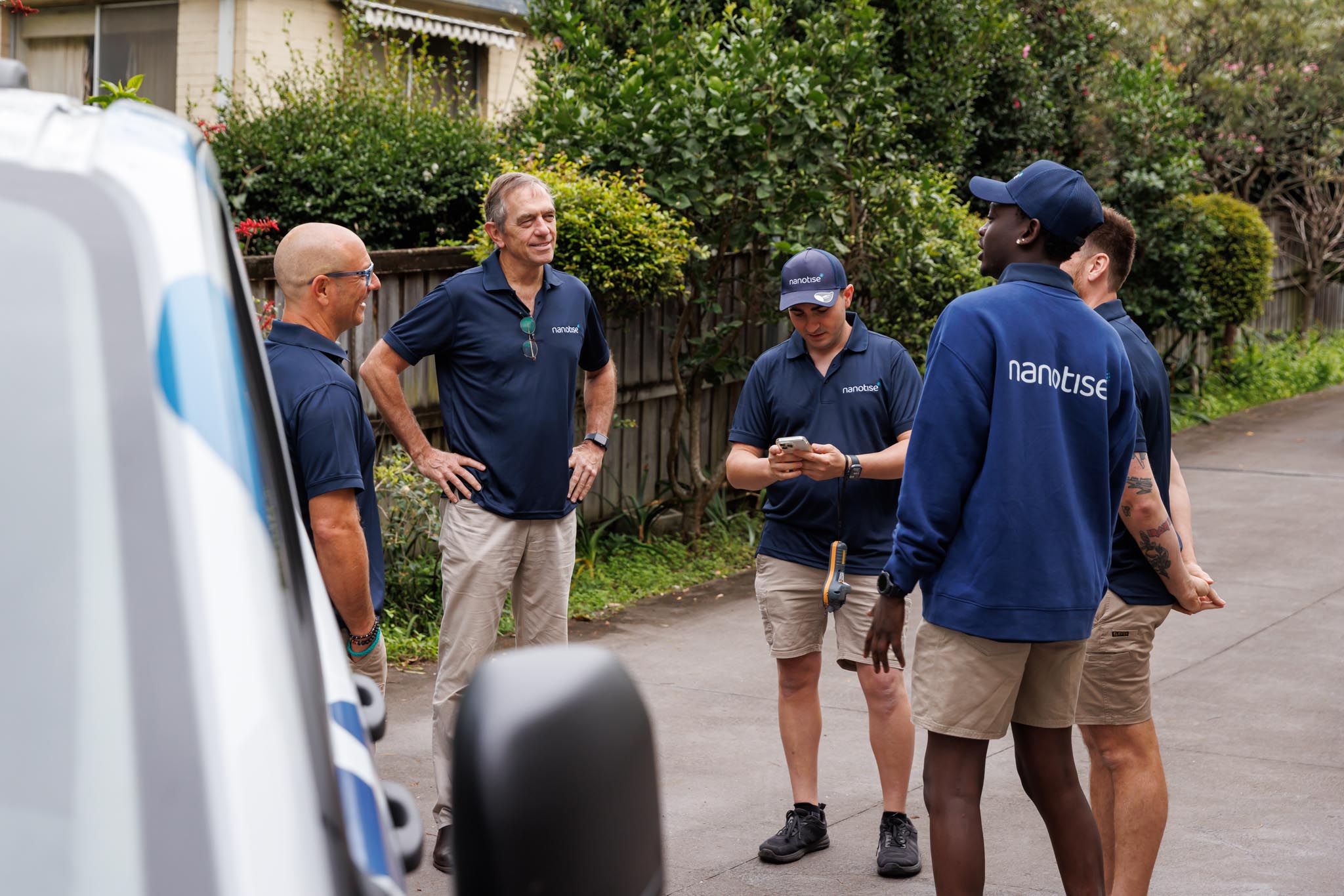
Tested & Certified Standards
Every process and solution we deploy is backed by rigorous testing and industry-leading certifications, ensuring the highest level of safety and efficacy.
Nanotise is an IICRC-accredited water restoration and mould remediation company. We follow IICRC standards and the ANSI/IICRC S520 Standard for Professional Mould Remediation on every project. All Nanotise permanent employees — including our support staff — hold IICRC Water Restoration (WRT) and S520 mould remediation certification.
Nanotise is an IICRC-accredited water restoration and mould remediation company. We follow IICRC standards and the ANSI/IICRC S520 Standard for Professional Mould Remediation on every project. All Nanotise permanent employees — including our support staff — hold IICRC Water Restoration (WRT) and S520 mould remediation certification.
Our advanced disinfection protocols utilize hospital-grade solutions fully registered with the Therapeutic Goods Administration (TGA). Each agent has undergone rigorous laboratory validation to ensure maximum efficacy against a broad spectrum of pathogens, including SARS-CoV-2, MRSA, and VRE, maintaining compliance with the highest Australian healthcare safety benchmarks and ARTG listing requirements.
We deploy cutting-edge antimicrobial nanocoatings that establish a semi-permanent molecular barrier on high-touch surfaces. Utilizing physical-mechanical destruction via "nano-swords," this technology eliminates 99.99% of bacteria and viruses upon contact for up to six months. This proactive approach significantly reduces reliance on corrosive chemicals while providing continuous, 24/7 protection in high-traffic environments.
To ensure total transparency and measurable hygiene, we implement Adenosine Triphosphate (ATP) bioluminescence monitoring. By measuring Relative Light Units (RLU) on site, we provide objective, data-driven validation of surface cleanliness that goes beyond visual inspection. This forensic-level auditing allows for real-time adjustments to sanitation protocols, ensuring all critical zones meet clinical-grade sterility standards.
Our commitment to environmental stewardship is integrated into every process through the use of GECA-certified, biodegradable, and non-toxic cleaning agents. We prioritize sustainable chemistry—minimizing Volatile Organic Compounds (VOCs) and eliminating phosphates—to protect indoor air quality and local ecosystems. This ensures a safe, hypoallergenic environment for occupants without compromising industrial-strength performance.
Proudly supporting national industry, our core solutions and logistics are certified Australian Made. This guarantee ensures that our products undergo "Substantial Transformation" within local facilities, adhering to the stringent manufacturing quality controls and ethical labor standards unique to the Australian regulatory landscape. By choosing local, we ensure supply chain resilience and contribute directly to the Australian economy.
IICRC-accredited · ANSI/IICRC S520 Standard
Frequently Asked Questions
Technical insights for Harris Park property owners.
Harris Park experiences the Western Sydney heat island effect combined with proximity to waterways, creating persistent humidity. High-density living and aging housing stock with ventilation deficiencies further amplify mould growth risks throughout the year.
Our team typically arrives within 24 hours for standard Harris Park inspections. We prioritise urgent cases involving health symptoms or active water damage, often providing same-day emergency response from our nearby service hub.
Absolutely. We regularly service the full range of Harris Park building types, from weatherboard cottages built decades ago to brand-new apartment towers. Each property receives a tailored treatment plan addressing its specific construction and mould drivers.
Absolutely. At Nanotise, we use hospital-grade, TGA-registered solutions and advanced nanotechnology that is non-toxic once the treatment is complete. Our 'Chlorine Dioxide' gassing process leaves zero residual toxicity.
Yes. Every forensic inspection includes a detailed digital report outlining our findings with moisture readings, photographic evidence, and a precise, itemised scope of work.
Most residential projects are completed within 1 to 3 days. This includes containment setup, active removal, and our CRX long-term protection application.
Our CRX nanotechnology creates a semi-permanent antimicrobial barrier. Combined with addressing underlying moisture issues, we provide the most durable protection in the industry.
Yes, we frequently coordinate with North Shore strata managers and landlords, providing the professional documentation and compliance certification required.
For urgent enquiries call 1800 NANOTISE
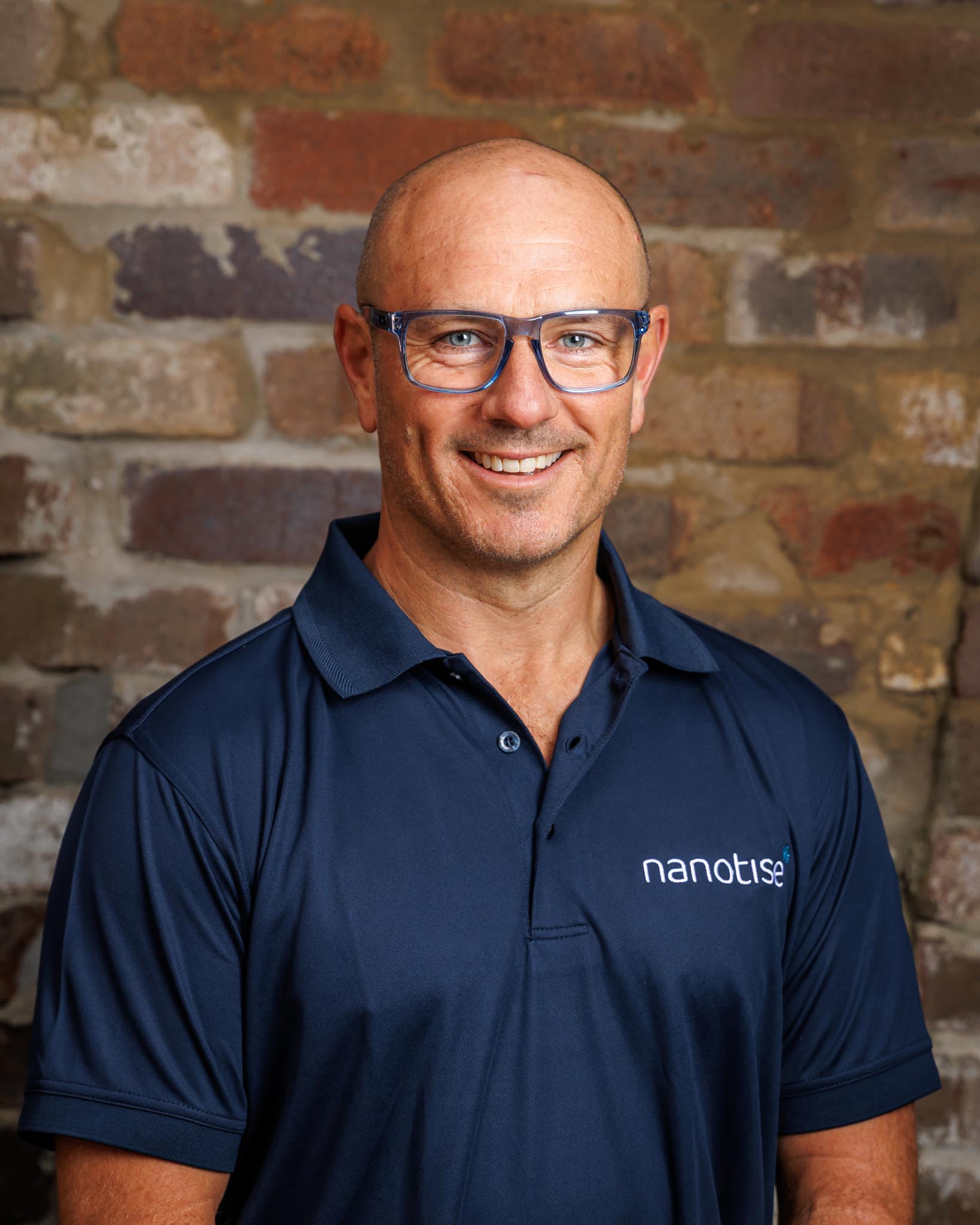
Alex Ross
Business Development Manager
Expert Assessment for Harris Park
Call us now to discuss your Harris Park property, or submit an inquiry to schedule a comprehensive forensic inspection.
Suburbs We Service in the Harris Park
Nanotise provides expert mould removal and remediation services throughout the Harris Park region, ensuring fast response times and local expertise.
Note: If your specific suburb is not listed above, please contact us. We provide full coverage across the entire Harris Park and surrounding districts.
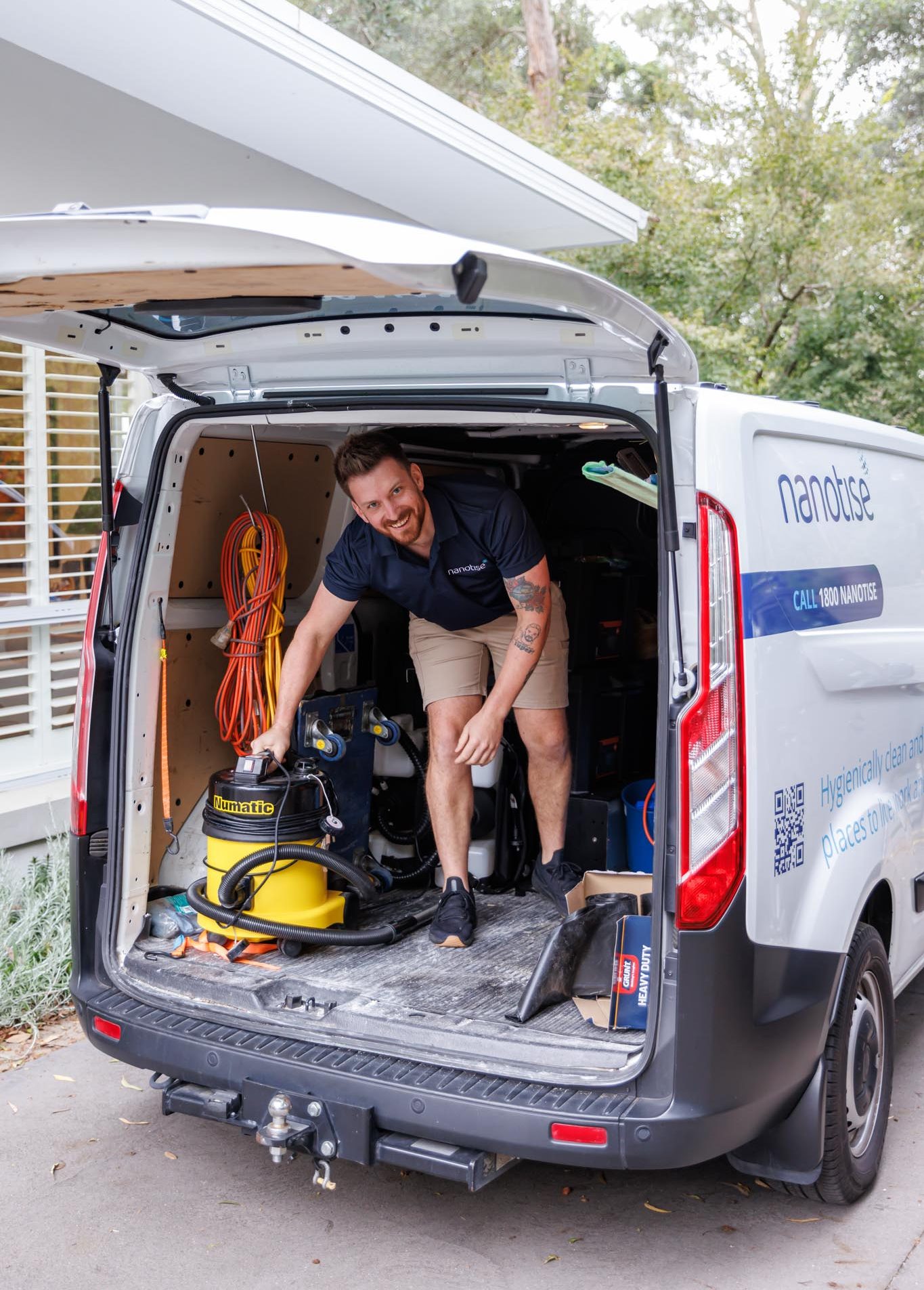
Need more information?