Black Mould vs Green Mould
Not all mould is created equal. While both black and green mould present health concerns for property owners, they differ significantly in terms of toxicity, growth patterns, and required remediation approaches. Understanding these differences is essential for protecting your Sydney home and family from the specific risks each type poses.
What is Black Mould?
Black mould most commonly refers to Stachybotrys chartarum, a toxic species that produces mycotoxins capable of causing severe health problems. This mould appears as dark greenish-black patches with a slimy or wet texture when actively growing. It thrives in environments with constant moisture and cellulose-rich materials such as drywall, ceiling tiles, and wood.
Stachybotrys requires prolonged water exposure to establish colonies, making it particularly common after flooding, ongoing leaks, or in areas with chronic condensation problems. The coastal climate of Sydney, combined with poor ventilation in older properties, creates ideal conditions for this dangerous species.
It is important to note that not all black-coloured mould is Stachybotrys. Other species like Alternaria and some strains of Cladosporium also appear dark but are generally less toxic. Laboratory testing is required for definitive identification.
Stachybotrys chartarum produces trichothecene mycotoxins that can cause neurological symptoms, chronic fatigue, and respiratory distress. Professional assessment is essential when this species is suspected.
What is Green Mould?
Green mould encompasses several common indoor species, primarily Aspergillus, Cladosporium, and Penicillium. These moulds range in colour from olive green to blue-green and typically have a powdery or velvety texture rather than the slimy appearance of black mould.
Aspergillus is one of the most frequently encountered indoor moulds worldwide. It grows on a wide variety of materials including walls, insulation, clothing, and food. While generally less toxic than Stachybotrys, certain Aspergillus species can produce aflatoxins and are particularly dangerous for individuals with compromised immune systems.
Penicillium, recognizable by its blue-green appearance, is another common household mould often found on water-damaged materials, wallpaper, and carpet. Despite its use in antibiotic production, indoor exposure to Penicillium spores can trigger allergic reactions and respiratory symptoms.
Cladosporium, which can appear either green or black, is one of the most common outdoor moulds that frequently makes its way indoors. It grows on porous surfaces in both cool and warm conditions, making it a year-round concern for Sydney properties.
- Aspergillus: Powdery texture, thrives in warm environments, can produce aflatoxins
- Penicillium: Blue-green colour, grows on damp materials, triggers allergies
- Cladosporium: Olive to dark green, tolerates cooler temperatures, common on fabrics
Health Impacts: Black Mould vs Green Mould
The health consequences of black mould exposure are generally more severe than those associated with green mould, though both should be treated seriously. Stachybotrys produces potent mycotoxins that can cause chronic inflammatory response syndrome, memory impairment, difficulty concentrating, mood changes, and persistent respiratory symptoms.
In vulnerable populations, particularly young children, elderly individuals, and those with existing respiratory conditions, black mould exposure can lead to severe complications including pulmonary hemorrhage. Even in healthy adults, prolonged exposure commonly results in chronic coughing, wheezing, and sinus congestion.
Green mould species typically cause milder but still problematic symptoms. Aspergillus exposure frequently triggers allergic rhinitis, asthma exacerbation, and hypersensitivity pneumonitis in sensitive individuals. In immunocompromised persons, Aspergillus can cause invasive aspergillosis, a serious fungal infection requiring immediate medical intervention.
Both black and green mould release spores that become airborne and are easily inhaled. The number of spores, duration of exposure, and individual susceptibility all determine symptom severity. Some people experience immediate reactions while others develop symptoms gradually over weeks or months of exposure.
Identification and Appearance Differences
Visual identification of mould species is challenging without laboratory analysis, but several characteristics can help distinguish black from green mould. Black mould typically appears in localized, dark patches with defined edges and a wet or slimy surface texture. It grows more slowly than many green moulds but forms denser colonies.
Green mould colonies tend to spread more rapidly and appear as fuzzy, powdery, or velvety patches. The colour can vary from bright green to blue-green to olive depending on the specific species and growth stage. These moulds often appear more uniform in texture compared to the irregular, slimy surface of black mould.
The location within your property can also provide identification clues. Black mould predominantly grows on cellulose materials in areas with severe water damage or chronic moisture, such as behind walls that have experienced pipe leaks or flooding. Green mould is less selective, appearing on a wider range of surfaces including painted walls, bathroom tiles, window frames, and even in refrigerators.
- Black mould: Dark greenish-black, slimy texture, localized dense patches, on cellulose materials
- Green mould: Olive to blue-green, powdery or fuzzy texture, spreads rapidly, on diverse surfaces
- Laboratory testing required for definitive species identification and toxin assessment
Growth Conditions and Common Locations
Both black and green mould require moisture to establish colonies, but their specific environmental preferences differ. Black mould demands sustained high humidity levels above 70% and thrives at temperatures between 20-30 degrees Celsius. It requires constant moisture, making it particularly common following floods, burst pipes, or in areas with persistent condensation problems.
Green mould species are generally more adaptable to varying conditions. Aspergillus grows well in warm, humid environments but can also tolerate drier conditions once established. Cladosporium, unlike most moulds, can grow in cooler environments, making it problematic in refrigerators, air conditioning systems, and unheated spaces.
In Sydney homes, black mould typically appears in bathrooms with poor ventilation, behind water-damaged drywall, in ceiling cavities after roof leaks, and in basements or crawl spaces with drainage issues. Green mould is found in these same locations but also commonly appears on window sills, in wardrobes with poor air circulation, on leather goods, and in air conditioning ducts.
Treatment and Removal Approaches
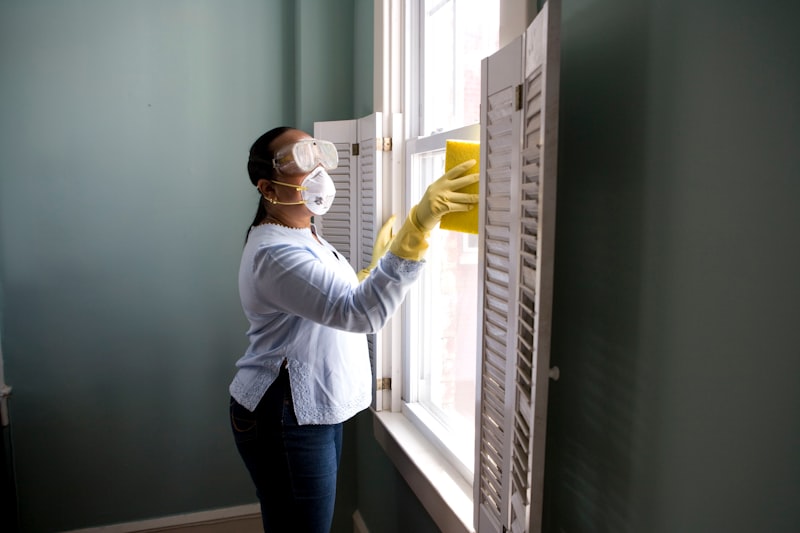
The remediation approach for black versus green mould differs based on toxicity levels and growth patterns. Black mould removal should always be conducted by certified professionals due to the serious health risks associated with mycotoxin exposure. The affected area must be contained to prevent spore dispersal, and workers require appropriate respiratory protection.
Professional black mould remediation involves complete removal of contaminated materials rather than surface cleaning, as the mycotoxins can penetrate deep into porous materials. HEPA air filtration, negative air pressure containment, and thorough decontamination protocols are essential to prevent cross-contamination of unaffected areas.
Green mould remediation, while still requiring professional expertise for larger infestations, may permit surface treatment in some cases if the contamination is limited and non-porous. However, if green mould has penetrated into drywall, insulation, or other absorbent materials, complete removal is necessary just as with black mould.
Regardless of species, successful mould treatment requires addressing the underlying moisture source. Nanotise combines immediate remediation with comprehensive moisture control solutions and our exclusive CRX nanotechnology barrier protection, which prevents future colonization on treated surfaces for extended periods.
Never attempt DIY removal of suspected black mould. The disturbance process releases dangerous mycotoxins and spores that pose serious health risks without proper containment and protection equipment.
Prevention Strategies for Both Types
Preventing both black and green mould requires consistent moisture control and proper ventilation. Maintain indoor relative humidity below 55% using dehumidifiers, particularly during the humid Sydney summer months from November through March. Air conditioning systems help control both temperature and humidity when properly maintained.
Ensure all bathrooms and laundries have functional exhaust fans that vent directly to the exterior, not into ceiling cavities. These fans should run for at least 20 minutes after showering or washing to remove accumulated moisture. Kitchen range hoods should similarly vent outside to prevent moisture and organic particles from settling on surfaces.
Address any water leaks, roof damage, or plumbing issues immediately, as even minor moisture intrusion can lead to mould establishment within 24-48 hours. Regular property inspections, particularly after heavy rainfall or during humid periods, help identify problem areas before colonies become established.
Improve natural ventilation by opening windows during dry weather to promote air circulation. In areas prone to condensation such as bedrooms and bathrooms, consider installing trickle vents in window frames to provide continuous low-level ventilation without compromising security or energy efficiency.
When Professional Assessment is Essential
Professional mould inspection is recommended whenever you suspect black mould presence, when mould covers an area larger than one square metre, when it returns after cleaning, or when household members experience persistent unexplained health symptoms that improve when away from the property.
Nanotise provides forensic mould inspections using advanced detection technology to identify hidden colonies behind walls, in ceiling cavities, and within air conditioning systems. Our TGA-registered treatments address both black and green mould with hospital-grade solutions proven effective against even the most resistant species.
With over 16 years of experience treating Sydney properties, our team understands the specific challenges posed by the local climate and building practices. We provide comprehensive solutions that eliminate existing mould and prevent future growth through our exclusive CRX nanotechnology barrier system, giving you long-term protection and peace of mind.
Key Takeaways
- Black mould (Stachybotrys chartarum) produces dangerous mycotoxins and requires professional remediation in all cases
- Green mould encompasses several species including Aspergillus, Penicillium, and Cladosporium, each with different characteristics
- Black mould has a slimy texture and grows on cellulose materials after prolonged water exposure
- Green mould spreads more rapidly, has a powdery texture, and grows on a wider variety of surfaces
- Both types cause health problems, but black mould poses greater risks including neurological symptoms and chronic fatigue
- Laboratory testing is required for definitive species identification when visual inspection is inconclusive
- Prevention focuses on moisture control, maintaining humidity below 55%, and ensuring adequate ventilation
- Professional assessment from experienced providers like Nanotise ensures safe, effective treatment appropriate to the species present
Frequently Asked Questions
No. While Stachybotrys chartarum is the most dangerous black mould species, other moulds like Alternaria and some Cladosporium strains also appear black or dark green. Laboratory testing is required to definitively identify the species and determine mycotoxin production. However, all black-coloured mould should be treated as potentially hazardous until tested.
No. Mould species do not transform from one type to another. Black mould and green mould are distinct species with different genetic characteristics. However, properties with conditions favouring green mould often also have conditions suitable for black mould, so multiple species can coexist in the same environment.
Green mould species, particularly Aspergillus and Cladosporium, are more frequently encountered in Sydney properties. Black mould (Stachybotrys) is less common but tends to occur in properties with serious water damage from flooding, burst pipes, or chronic roof leaks. The coastal humidity of Sydney supports both types when moisture control is inadequate.
Black mould requires 2-4 weeks of constant moisture to establish visible colonies, which is longer than many green mould species that can appear within 24-48 hours. This delayed growth period means black mould typically indicates long-standing moisture problems rather than recent water events. Prompt water damage remediation within 48 hours significantly reduces the risk of Stachybotrys colonization.
Mould Inspection
Comprehensive forensic mould inspections using thermal imaging, moisture meters, and air quality testing.
Learn MoreMould Testing
Laboratory-grade mould testing to identify species, measure contamination levels, and assess health risks.
Learn MoreLiving Areas Mould Removal
Comprehensive mould removal from living rooms, bedrooms, and common areas affecting indoor air quality.
Learn MoreConcerned About Mould?
Our senior consultants provide expert assessments and tailored treatment plans for Sydney homes and businesses. 16+ years of experience.