Is Mould on Walls Dangerous
Mould on walls is more than just an aesthetic problem. It represents a genuine health hazard that can cause respiratory illness, allergic reactions, and in severe cases, chronic health conditions. Understanding the risks helps property owners make informed decisions about treatment and remediation.
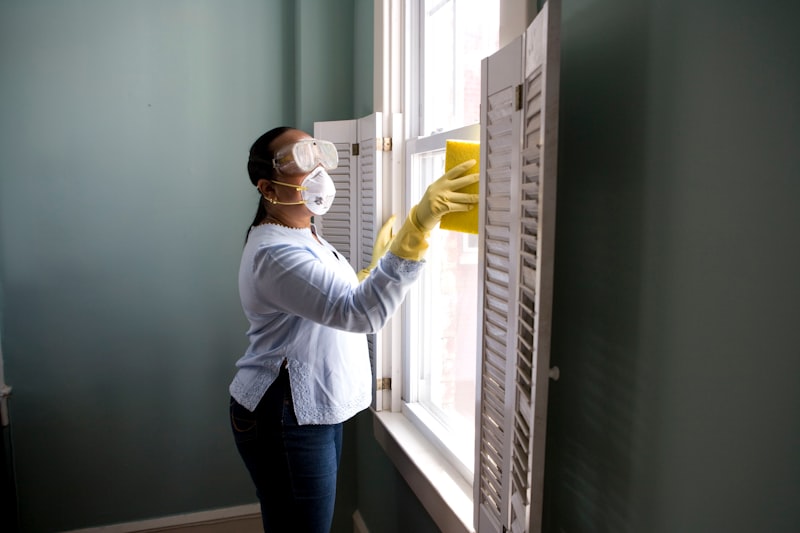
The Health Risks of Wall Mould Exposure
Mould colonies on walls continuously release microscopic spores into the indoor environment. When inhaled, these spores can trigger immediate allergic reactions including sneezing, coughing, eye irritation, and skin rashes. For individuals with asthma or compromised immune systems, exposure can lead to serious respiratory complications.
Beyond immediate allergic responses, prolonged exposure to certain mould species can cause more severe health outcomes. Mycotoxins produced by moulds such as Stachybotrys chartarum (commonly called black mould) have been linked to neurological symptoms, chronic fatigue, and persistent respiratory conditions that require medical intervention.
- Respiratory irritation including coughing, wheezing, and difficulty breathing
- Allergic rhinitis with persistent nasal congestion and sneezing
- Asthma exacerbation, particularly in children and sensitive individuals
- Skin irritation, rashes, and dermatitis from contact or airborne exposure
- Chronic sinusitis and recurring upper respiratory infections
- Headaches, fatigue, and cognitive difficulties in cases of heavy exposure
Children, elderly individuals, pregnant women, and those with existing respiratory conditions face significantly higher risk from mould exposure on walls and should seek immediate professional assessment.
Different Mould Types and Their Danger Levels
Not all mould species present the same level of health risk, but any indoor mould growth should be addressed promptly. The most common types found on walls in Sydney properties include Aspergillus, Cladosporium, Penicillium, and Stachybotrys, each with distinct characteristics and risk profiles.
Stachybotrys chartarum, the so-called toxic black mould, produces mycotoxins that can cause serious health effects including respiratory bleeding in severe cases. However, even less notorious species like Cladosporium and Penicillium can trigger significant allergic reactions and asthma attacks in susceptible individuals. Professional identification through laboratory analysis is the only reliable way to determine which species are present.
- Stachybotrys (black mould): Produces mycotoxins, considered the most hazardous indoor species
- Aspergillus: Common in damp areas, can cause lung infections in immunocompromised individuals
- Penicillium: Often found on water-damaged materials, produces allergens and some mycotoxins
- Cladosporium: Common outdoor species that thrives indoors, strong allergen
- Alternaria: Associated with allergic reactions and asthma exacerbation
Why Walls Are Particularly Vulnerable
Internal walls provide ideal conditions for mould colonisation when moisture levels rise above 60% relative humidity or when water intrusion occurs. Gypsum plasterboard, commonly used in Australian construction, contains cellulose and gypsum — both excellent food sources for mould fungi. Once spores land on a damp wall surface, colonies can establish within 24 to 48 hours.
In Sydney properties, external walls facing south or southwest receive less sunlight and dry more slowly after rain. Combined with inadequate ventilation, these walls become prime targets for persistent mould growth. Bathrooms, laundries, and kitchens are especially high-risk due to regular moisture generation from daily activities.
Hidden Mould Behind Walls
The mould visible on wall surfaces often represents only a fraction of the total contamination. Moisture that penetrates through cracks, failed waterproofing, or leaking pipes allows mould to grow extensively within wall cavities, behind plasterboard, and inside insulation materials.
This hidden growth continuously releases spores into living spaces through gaps around electrical outlets, along baseboards, and wherever air movement occurs. Occupants may experience persistent health symptoms without understanding the source, as the primary colony remains concealed from view. Musty odours and unexplained respiratory symptoms often signal hidden wall cavity contamination.
Professional forensic mould inspections using thermal imaging and moisture meters can detect hidden colonies before they cause extensive structural damage and ongoing health impacts.
Chronic Inflammatory Response Syndrome
A small percentage of individuals exposed to indoor mould develop Chronic Inflammatory Response Syndrome (CIRS), also known as biotoxin illness. This condition occurs when the immune system fails to properly eliminate mycotoxins and other biotoxins produced by mould, leading to chronic systemic inflammation.
CIRS symptoms include persistent fatigue, cognitive difficulties, joint pain, digestive problems, and respiratory issues that do not improve with standard treatments. Diagnosis requires specialized testing, and recovery typically demands both medical intervention and complete removal of the mould source from the living environment.
If health symptoms persist for months despite medical treatment, and multiple household members are affected, professional mould assessment should be considered as a potential underlying cause.
Impact on Children and Vulnerable Populations
Research has established clear links between early childhood mould exposure and increased rates of asthma development. Children who live in homes with visible mould on walls show significantly higher rates of respiratory infections, bronchitis, and persistent wheezing compared to those in mould-free environments.
The developing immune systems of young children make them particularly vulnerable to the effects of mycotoxins and allergenic proteins released by wall mould. Pregnant women exposed to significant mould growth may face increased risks of pregnancy complications, though research in this area is ongoing.
- Increased asthma incidence and severity in children under 5 years old
- Higher rates of respiratory infections and prolonged recovery times
- Potential impact on cognitive development in cases of heavy exposure
- Elderly individuals with reduced immune function face elevated infection risk
When Wall Mould Requires Immediate Action
Certain situations demand urgent professional intervention rather than DIY cleaning attempts. If mould covers more than one square metre of wall surface, extends across multiple rooms, or returns quickly after cleaning, the underlying moisture problem requires expert diagnosis and remediation.
Any situation involving sewage contamination, flooding, or water damage from external sources should be treated as an immediate health hazard. These conditions often introduce bacteria and other pathogens alongside mould, creating a complex contamination scenario that standard cleaning cannot safely address.
- Mould growth exceeding one square metre on any single wall surface
- Visible mould in multiple rooms or areas throughout the property
- Mould that returns within weeks of cleaning attempts
- Any household member experiencing persistent respiratory symptoms
- Mould resulting from sewage backup or contaminated water sources
- Black or dark green mould colonies, potentially indicating toxic species
Professional Treatment and Long-Term Protection
Effective wall mould remediation requires identifying and eliminating the moisture source, safely removing contaminated materials, treating affected surfaces with appropriate antimicrobial agents, and implementing preventive measures to stop recurrence. This multi-step process demands specialized equipment, safety protocols, and expertise.
Nanotise employs TGA-registered hospital-grade treatments combined with advanced CRX nanotechnology barrier protection. This approach not only eliminates existing mould colonies but creates a protective layer that actively prevents future mould establishment on treated wall surfaces. Our forensic mould inspections use thermal imaging and moisture mapping to detect hidden growth and identify moisture entry points that must be addressed for permanent resolution.
With over 16 years of experience treating Sydney properties, our team understands the specific challenges posed by the coastal climate and can provide tailored solutions that protect both property value and occupant health. Early professional intervention prevents the need for costly structural repairs and protects families from ongoing health risks.
Key Takeaways
- Mould on walls poses genuine health risks ranging from allergic reactions to serious respiratory conditions and chronic illness
- Different mould species carry varying risk levels, but all indoor growth should be addressed promptly
- Children, elderly individuals, and those with compromised immune systems face significantly higher danger from exposure
- Hidden mould within wall cavities often represents the majority of contamination and drives persistent symptoms
- Chronic Inflammatory Response Syndrome can develop in sensitive individuals exposed to mould mycotoxins
- Professional assessment and treatment are essential when mould exceeds one square metre or causes health symptoms
Frequently Asked Questions
Yes, mould on walls releases spores and mycotoxins that can cause respiratory problems, allergic reactions, asthma attacks, and in some cases chronic health conditions. Children and individuals with compromised immune systems face the highest risk from exposure.
Black mould, particularly Stachybotrys chartarum, produces mycotoxins that can cause serious health effects. However, all indoor mould growth poses health risks and should be professionally assessed. Only laboratory testing can confirm the specific species present.
Any visible mould growth indicates a moisture problem that should be addressed. When mould covers more than one square metre, appears in multiple locations, or causes health symptoms in occupants, professional assessment and treatment are strongly recommended.
No. Painting over mould without proper treatment allows the colony to continue growing beneath the paint surface. The mould will eventually break through the new paint layer, and spores will continue entering the living environment. Proper remediation requires eliminating the moisture source and treating or removing contaminated materials.
Mould Inspection
Comprehensive forensic mould inspections using thermal imaging, moisture meters, and air quality testing.
Learn MoreWall & Ceiling Cavity Mould Removal
Hidden mould removal from wall and ceiling cavities using thermal imaging, fogging, and chlorine dioxide gassing.
Learn MoreLiving Areas Mould Removal
Comprehensive mould removal from living rooms, bedrooms, and common areas affecting indoor air quality.
Learn MoreConcerned About Mould?
Our senior consultants provide expert assessments and tailored treatment plans for Sydney homes and businesses. 16+ years of experience.