The HLA Genotype
Why 25% of Australians are Vulnerable
While mould exposure poses some level of risk to everyone, genetic research has revealed that approximately 25% of the population carries specific HLA gene variants that make them far more susceptible to severe mould-related illness. Understanding whether you carry these genetic markers can explain why some household members become seriously ill while others remain unaffected in the same environment.
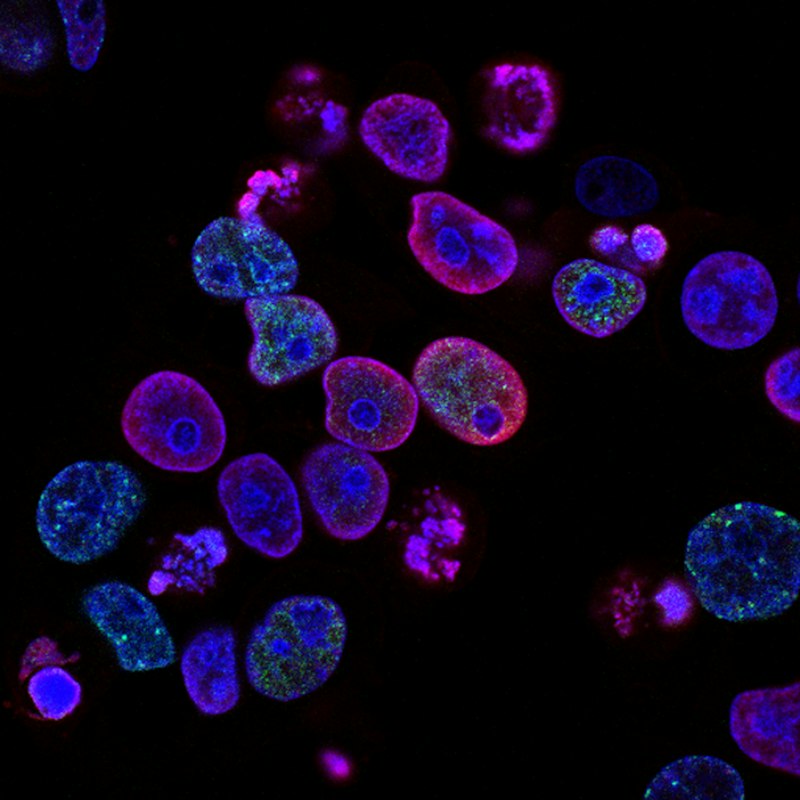
What is the HLA Genotype?
HLA stands for Human Leukocyte Antigen, a complex set of genes located on chromosome 6 that plays a critical role in how your immune system recognizes and responds to foreign substances. These genes code for proteins displayed on cell surfaces that help distinguish self from non-self, enabling immune cells to identify pathogens, toxins, and other threats.
The HLA system is highly polymorphic, meaning there are thousands of possible genetic variations across the population. This diversity normally benefits human survival because different HLA types provide advantages against different diseases. However, when it comes to biotoxin exposure from water-damaged buildings, certain HLA variants create a significant disadvantage.
Research led by Dr. Ritchie Shoemaker identified specific HLA-DR gene patterns associated with inability to produce antibodies against biotoxins. Individuals with these patterns cannot effectively clear mycotoxins, bacteria fragments, and inflammatory agents from their systems, leading to a cascade of chronic inflammatory symptoms known as CIRS.
Your HLA genotype is inherited from your parents and remains unchanged throughout your lifetime. Knowing your genetic profile can determine whether you are at high, moderate, or low risk for mould-related illness.
The Genetic Link to Mould Susceptibility
The connection between HLA genes and mould susceptibility centers on immune system efficiency. When mould spores are inhaled or mycotoxins enter the body, the immune system must recognize these biotoxins, bind them to antibodies, and facilitate their removal through normal detoxification pathways.
People with what are classified as susceptible HLA-DR genotypes produce antibodies poorly or not at all in response to these specific biotoxins. Without adequate antibody production, the toxins continue to circulate throughout the body, triggering persistent inflammation in multiple organ systems. The immune response never shuts down properly because the triggering agents are never effectively removed.
This explains the paradox observed in water-damaged buildings where one person develops debilitating chronic illness while a partner or family member remains completely asymptomatic. The difference often lies not in the level of exposure, but in genetic capacity to mount an effective immune response.
- Approximately 24-25% of the population carries HLA variants associated with high mould susceptibility
- An additional 25% have moderate susceptibility patterns
- About 50% have protective HLA patterns that efficiently clear biotoxins
- Susceptibility is inherited, following patterns similar to other genetic traits
- Multiple family members often share the same susceptibility pattern
Understanding CIRS: Chronic Inflammatory Response Syndrome
CIRS is a multisystem, multisymptom illness that develops in genetically susceptible individuals following exposure to the interior environment of water-damaged buildings. The syndrome involves chronic activation of the innate immune system due to persistent biotoxin circulation that the body cannot adequately clear.
Symptoms can affect virtually any body system and often mimic other conditions, making diagnosis challenging without genetic testing and specific biomarkers. Patients typically present with a cluster of symptoms rather than a single defining characteristic, and conventional medical testing often returns normal results despite severe functional impairment.
The inflammatory cascade triggered in CIRS includes dysregulation of complement activation, elevation of inflammatory cytokines, abnormal levels of vasoactive intestinal polypeptide (VIP), melanocyte-stimulating hormone (MSH) deficiency, and altered levels of matrix metallopeptidase 9 (MMP-9). These measurable biomarkers help confirm diagnosis in patients with appropriate genetic susceptibility and documented exposure.
Common Symptoms in Genetically Susceptible Individuals
CIRS symptoms tend to be chronic, debilitating, and multisystem in nature. The syndrome is characterized by symptom clusters rather than isolated complaints, which is why single-symptom medical approaches often fail to provide relief.
Neurological symptoms are particularly prominent and may include memory problems, difficulty concentrating, executive function impairment, word-finding difficulties, disorientation, and light sensitivity. Many patients report feeling as though they are in a mental fog, unable to think clearly or process information at their normal capacity.
Respiratory symptoms including chronic sinus congestion, cough, shortness of breath, and asthma-like symptoms are common. Fatigue, often severe and unrelieved by rest, affects the vast majority of CIRS patients. Musculoskeletal complaints including joint pain, muscle cramping, and unusual nerve sensations are frequently reported.
- Cognitive impairment: memory loss, brain fog, difficulty concentrating
- Chronic fatigue that does not improve with rest or sleep
- Respiratory issues: chronic sinus problems, persistent cough, shortness of breath
- Gastrointestinal symptoms: nausea, diarrhea, abdominal cramping
- Temperature dysregulation and excessive thirst
- Unexplained muscle pain, cramping, and joint discomfort
- Mood disturbances including anxiety, depression, and irritability
- Skin sensitivity, rashes, and unusual sensations
If you have more than eight of these symptoms and a history of water damage in your home or workplace, HLA genotyping and CIRS biomarker testing should be considered.
Testing for HLA Genetic Susceptibility
HLA genotyping is performed through a simple blood test that analyzes the specific variants of HLA-DR genes you have inherited. Laboratories specializing in HLA testing can determine whether your genetic profile places you in the high-risk, moderate-risk, or low-risk category for biotoxin-related illness.
The test examines multiple gene loci and provides a detailed breakdown of your HLA-DRB1, DRB3, DRB4, and DRB5 alleles. Specific combinations of these variants have been associated with CIRS susceptibility based on large population studies and clinical outcome data.
In Australia, HLA testing can be ordered through specialist pathology laboratories, though it may not be covered by Medicare unless there is a specific medical indication beyond mould susceptibility screening. The cost typically ranges from a few hundred dollars, and results are usually available within two to three weeks.
The Australian Context: Population Genetics and Climate
The estimated 25% susceptibility rate observed in international studies holds true for the Australian population, meaning approximately one in four Australians carries HLA variants that increase vulnerability to mould-related illness. This genetic distribution affects people regardless of age, gender, or general health status.
The coastal climate of Sydney and other Australian metropolitan areas creates environmental conditions particularly favorable for mould growth, with high humidity, warm temperatures, and frequent rain events. When genetic susceptibility combines with environmental exposure, the risk of developing chronic illness increases substantially.
Sydney homes built before modern moisture management standards, properties affected by flooding events, and units with poor ventilation create the water-damaged building environments where biotoxin exposure occurs. For genetically susceptible residents, even what appears to be minor water damage or condensation issues can trigger significant health consequences.
What to Do If You Are Genetically Susceptible
Discovering you carry susceptible HLA variants does not mean you are destined to become ill, but it does mean you must take environmental exposure seriously. Prevention becomes the primary protective strategy, as once CIRS develops, recovery requires both removal from exposure and specific medical treatment protocols.
If you carry susceptible HLA variants, immediate action is required upon discovering any signs of water damage, mould growth, or persistent moisture in your home. What might be a minor inconvenience for someone with protective genes can become a serious health threat for you. Professional assessment and remediation should be undertaken promptly rather than attempting DIY approaches.
For those already experiencing chronic unexplained symptoms consistent with CIRS, documentation of the genetic susceptibility through HLA testing becomes an important part of diagnosis. This information, combined with biomarker testing and confirmation of water damage exposure, allows healthcare providers to implement evidence-based treatment protocols specifically designed for biotoxin illness.
- Maintain indoor humidity below 50% using dehumidifiers and air conditioning
- Address any water leaks, floods, or persistent condensation immediately
- Ensure adequate ventilation in all rooms, especially bathrooms and kitchens
- Have professional mould inspections conducted annually or after any water event
- Use HEPA air filtration in bedrooms and main living areas
- Replace any water-damaged building materials rather than attempting to clean them
Professional Assessment and Remediation for High-Risk Individuals
When genetic susceptibility is confirmed, the standard for environmental intervention must be higher than for the general population. Surface cleaning and spot treatment are insufficient because even low-level continued exposure can perpetuate illness in susceptible individuals.
Nanotise employs forensic-level inspection technology to detect hidden mould colonies and moisture sources that may not be visible during routine assessment. Our approach identifies not only active growth but also conditions that will support future colonization, allowing comprehensive remediation rather than temporary symptom management.
Treatment protocols for high-risk properties include source elimination, containment to prevent cross-contamination during remediation, HEPA filtration during work, antimicrobial treatment using hospital-grade, TGA-registered products, and application of our exclusive CRX nanotechnology barrier. This microscopic protective coating bonds to surfaces and provides ongoing antimicrobial protection, creating an environment hostile to future mould establishment.
For individuals with confirmed genetic susceptibility or diagnosed CIRS, we provide detailed documentation of the remediation process, post-treatment environmental testing results, and clearance certification. This documentation is valuable for healthcare providers implementing medical treatment protocols and for demonstrating that the environmental trigger has been properly addressed.
Key Takeaways
- Approximately 25% of Australians carry HLA gene variants that make them highly susceptible to mould-related illness
- These genetic patterns impair the immune system ability to clear biotoxins, leading to chronic inflammatory response syndrome (CIRS)
- CIRS causes multisystem symptoms including cognitive impairment, chronic fatigue, respiratory problems, and widespread pain
- Simple blood testing can determine your HLA genotype and associated risk level
- Genetically susceptible individuals must take any water damage or mould growth seriously and seek professional remediation promptly
- Once CIRS develops, recovery requires both environmental remediation and specific medical treatment protocols
Frequently Asked Questions
HLA genotyping requires a blood sample analyzed by a specialized laboratory. You can request testing through your general practitioner or a specialist familiar with CIRS. The test examines specific HLA-DR gene variants associated with biotoxin illness susceptibility. Results typically take two to three weeks and provide a detailed breakdown of your genetic risk category.
Having susceptible HLA genes means you lack the genetic machinery to efficiently clear certain biotoxins, but illness only develops if exposure occurs. If you maintain a mould-free environment with proper moisture control and ventilation, you can avoid triggering the inflammatory cascade that leads to CIRS. The genes determine susceptibility, but environment determines whether illness actually develops.
CIRS can be successfully treated when both environmental remediation and appropriate medical protocols are implemented. Recovery requires complete removal from biotoxin exposure while following a specific treatment sequence that addresses the various aspects of immune dysregulation. Many patients achieve full symptom resolution, though recovery timelines vary based on genetic susceptibility, duration of exposure, and individual health factors.
Because HLA genes are inherited, children have a 50% chance of inheriting susceptible variants if one parent carries them. Testing can be valuable if children show unexplained chronic symptoms consistent with CIRS, particularly if water damage or mould has been present in the home. Knowing a child carries susceptible genes allows parents to be more vigilant about maintaining healthy indoor environments and seeking prompt treatment if symptoms develop.
Living Areas Mould Removal
Comprehensive mould removal from living rooms, bedrooms, and common areas affecting indoor air quality.
Learn MoreResidential Mould Removal
Specialist mould removal for Sydney homes — from surface treatment to full cavity remediation.
Learn MoreCommercial Office Mould Removal
Office mould remediation minimising business disruption while eliminating contamination and improving air quality.
Learn MoreConcerned About Mould?
Our senior consultants provide expert assessments and tailored treatment plans for Sydney homes and businesses. 16+ years of experience.