Mould Removal in South Coogee
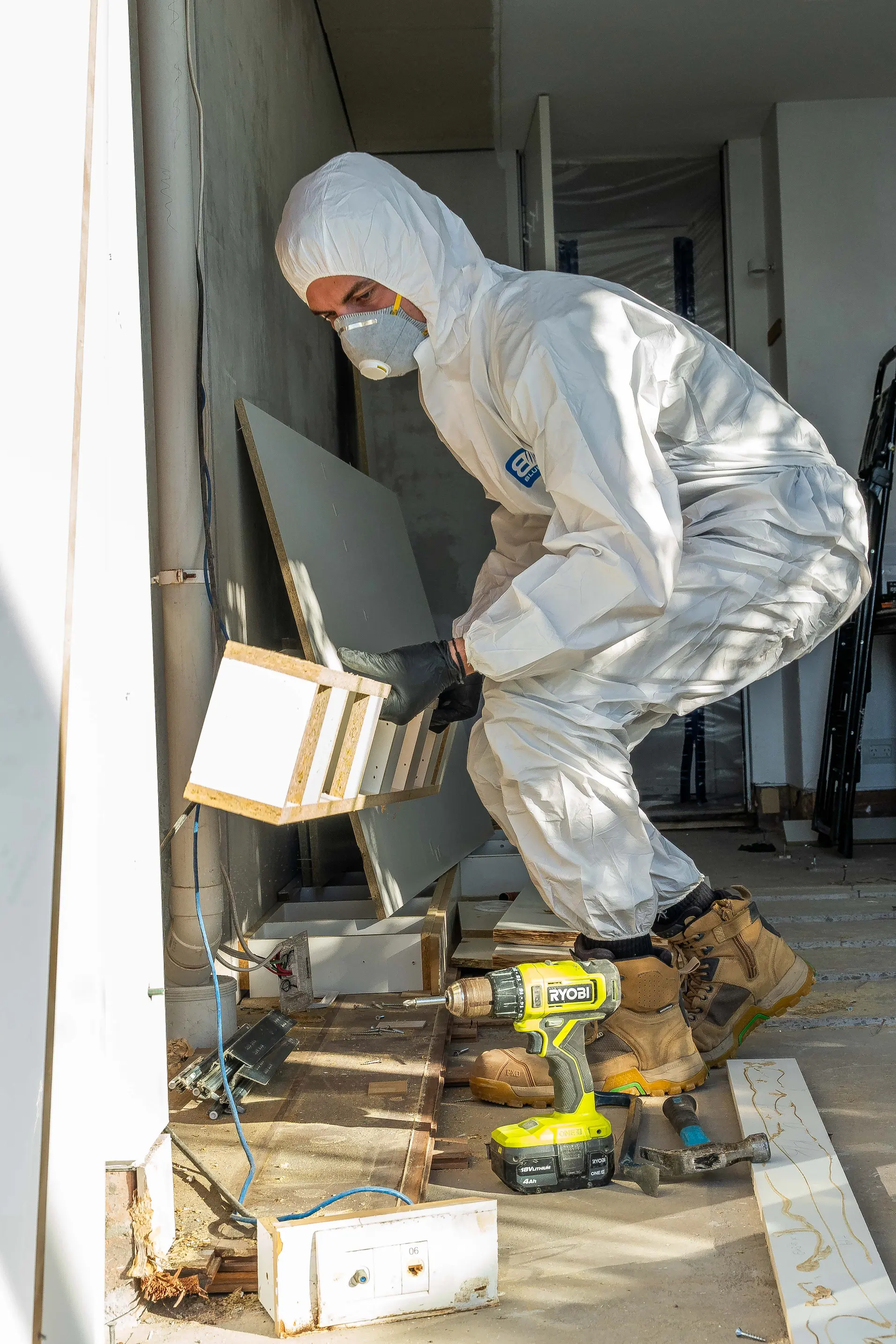
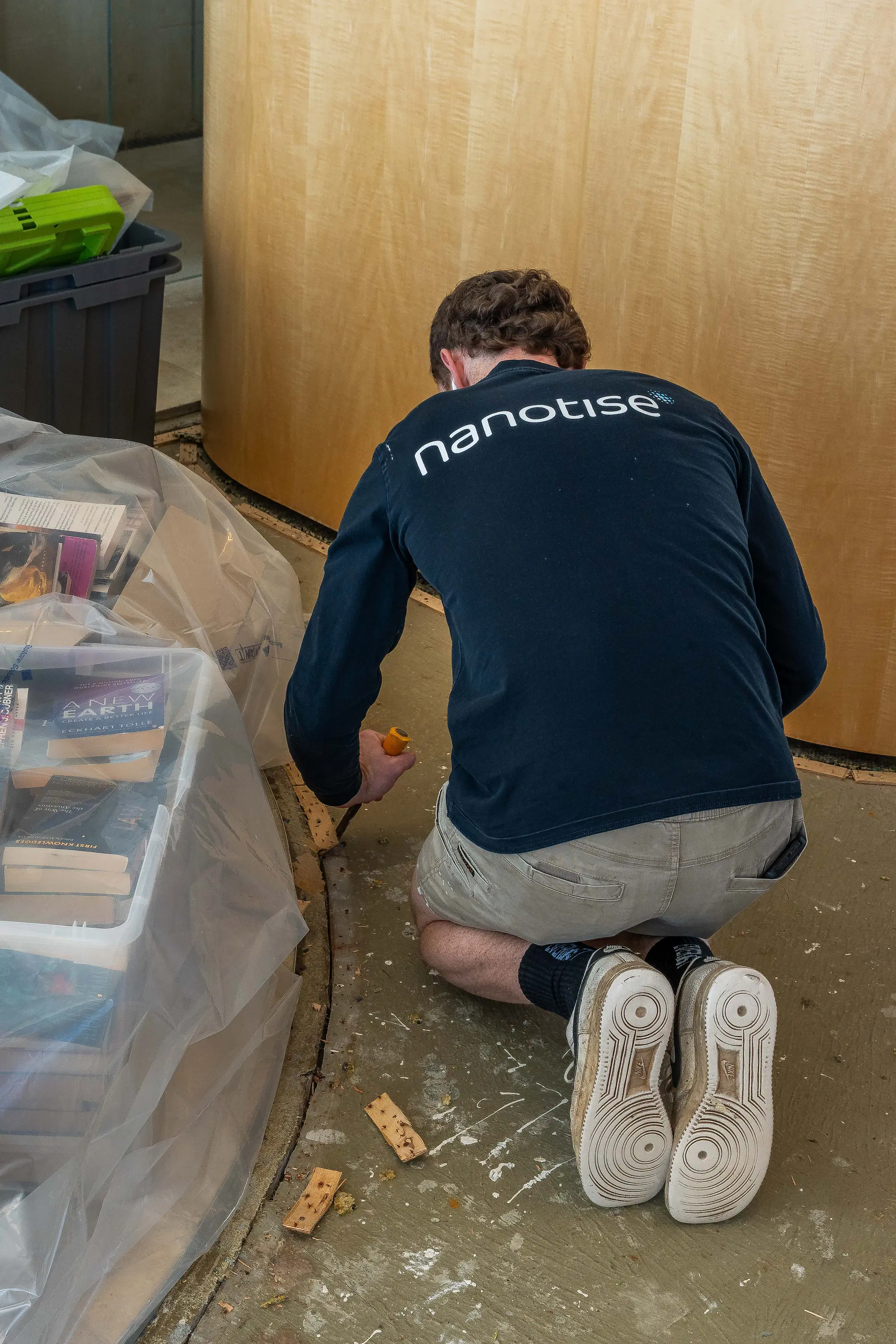
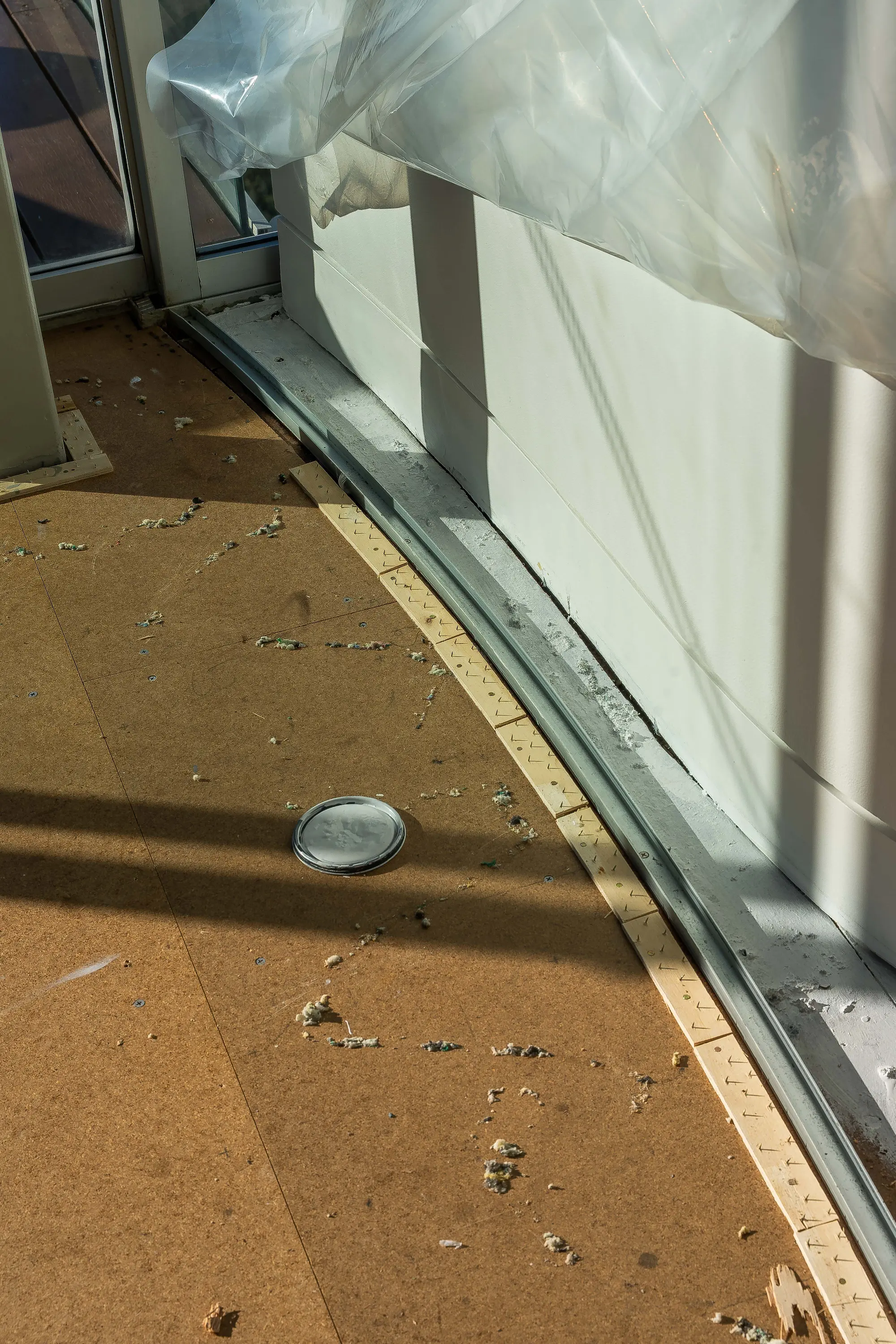
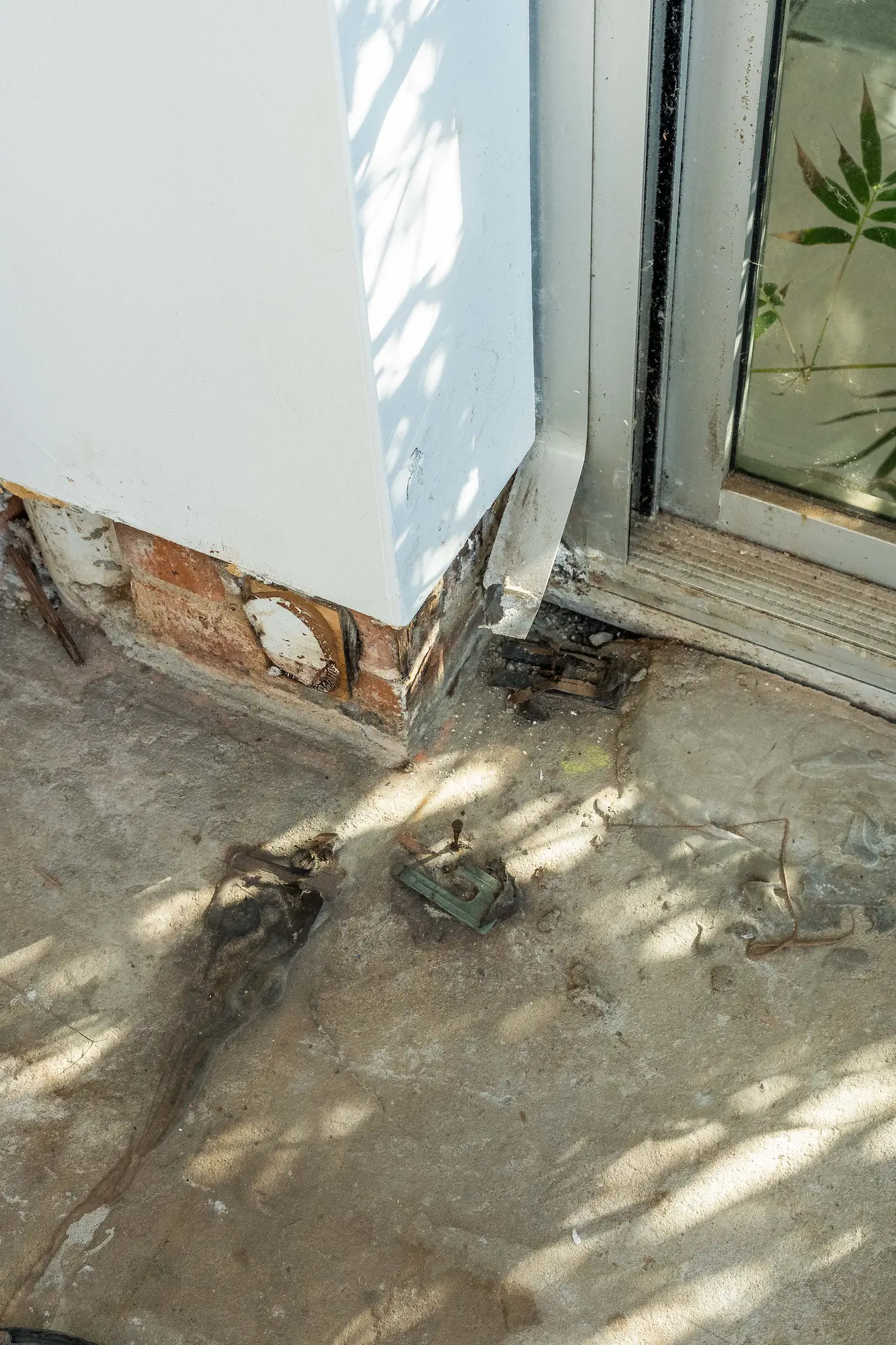
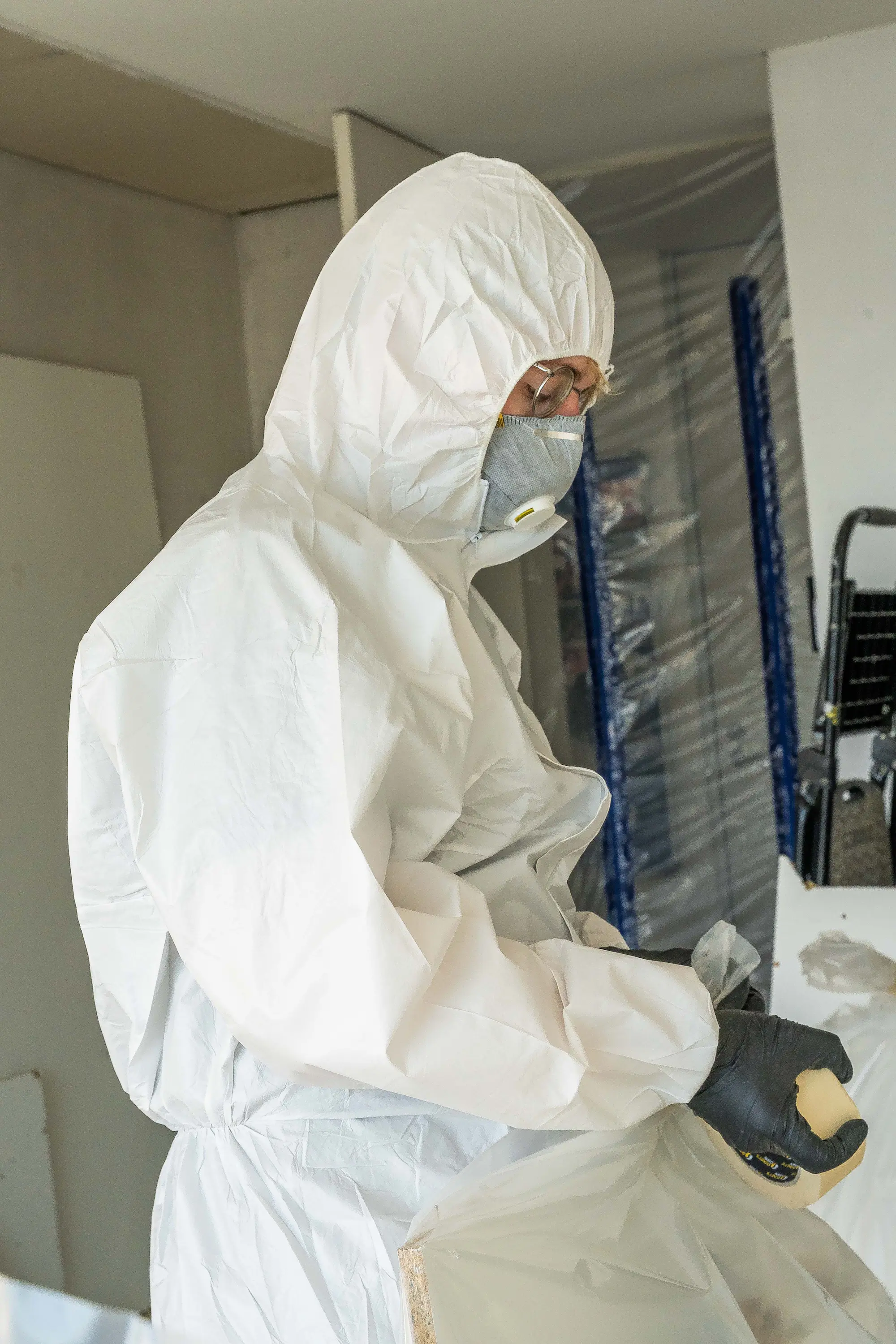
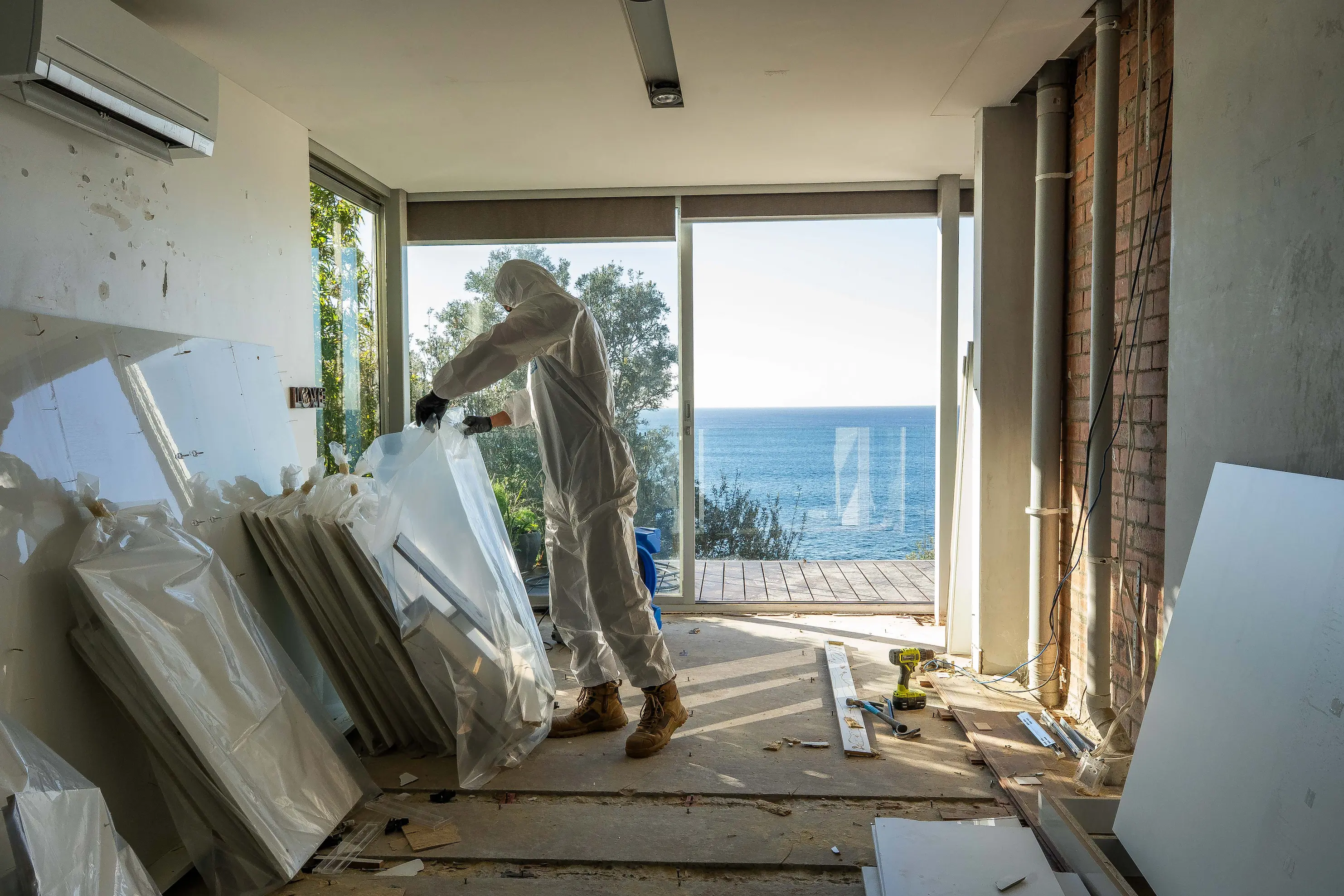
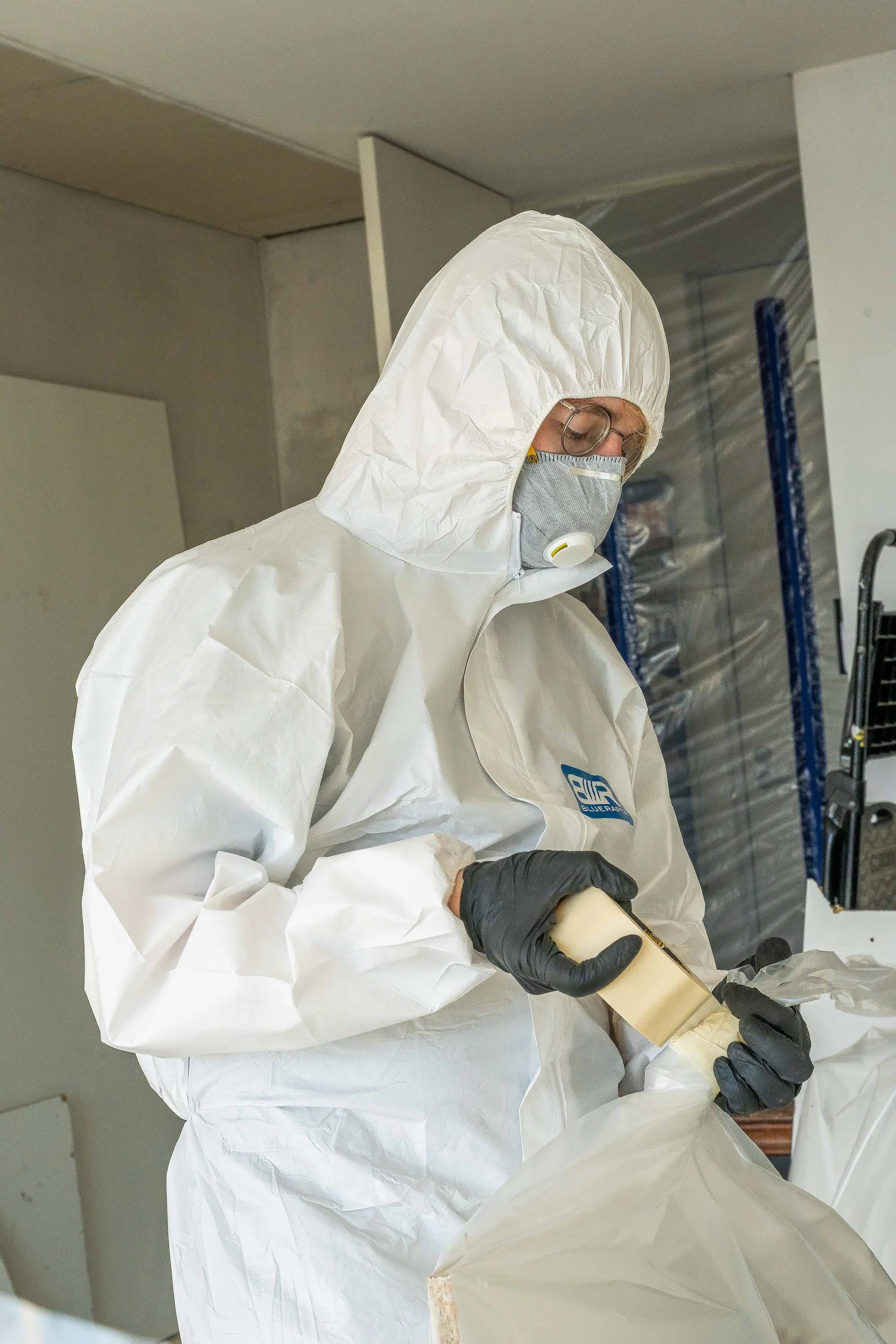
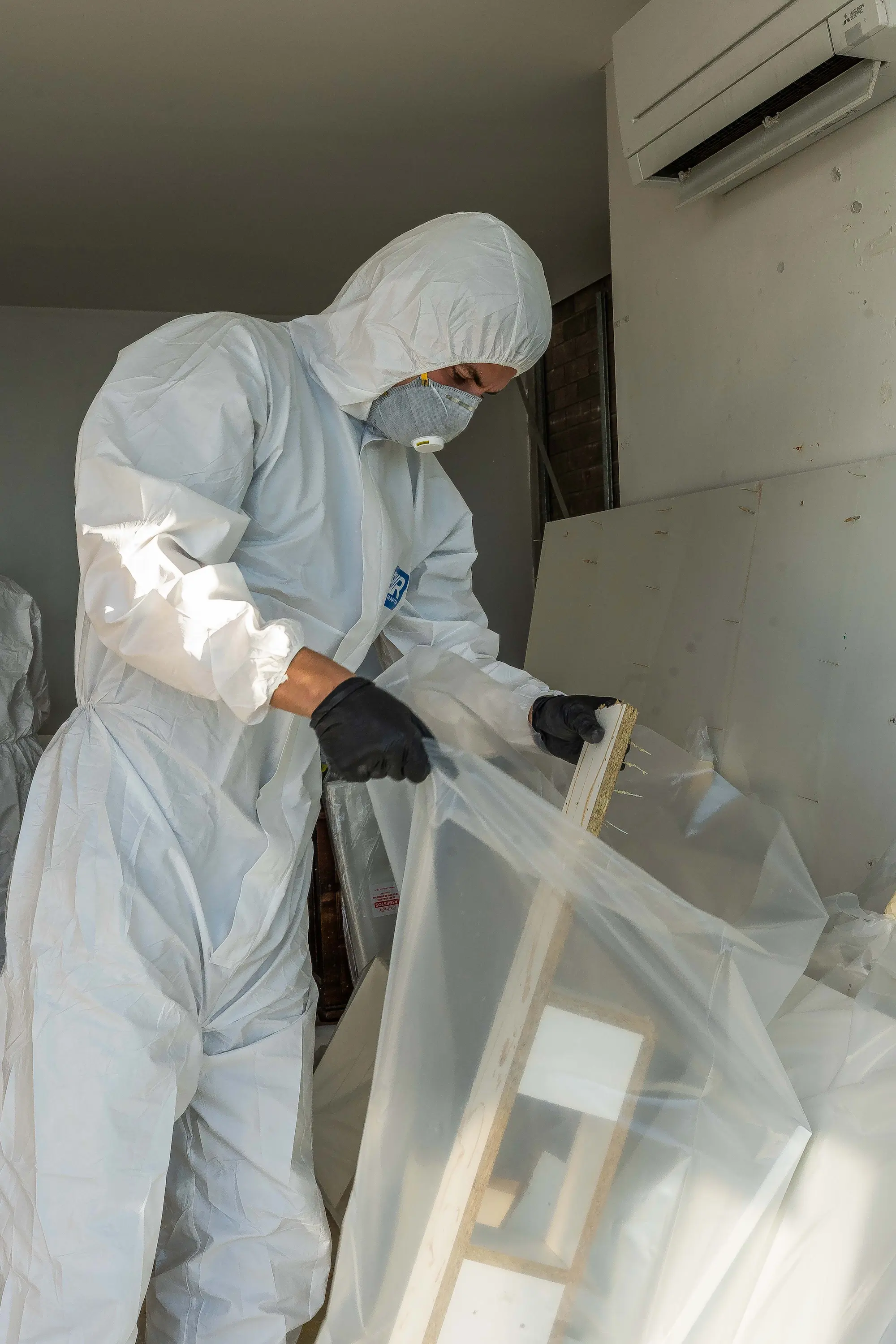
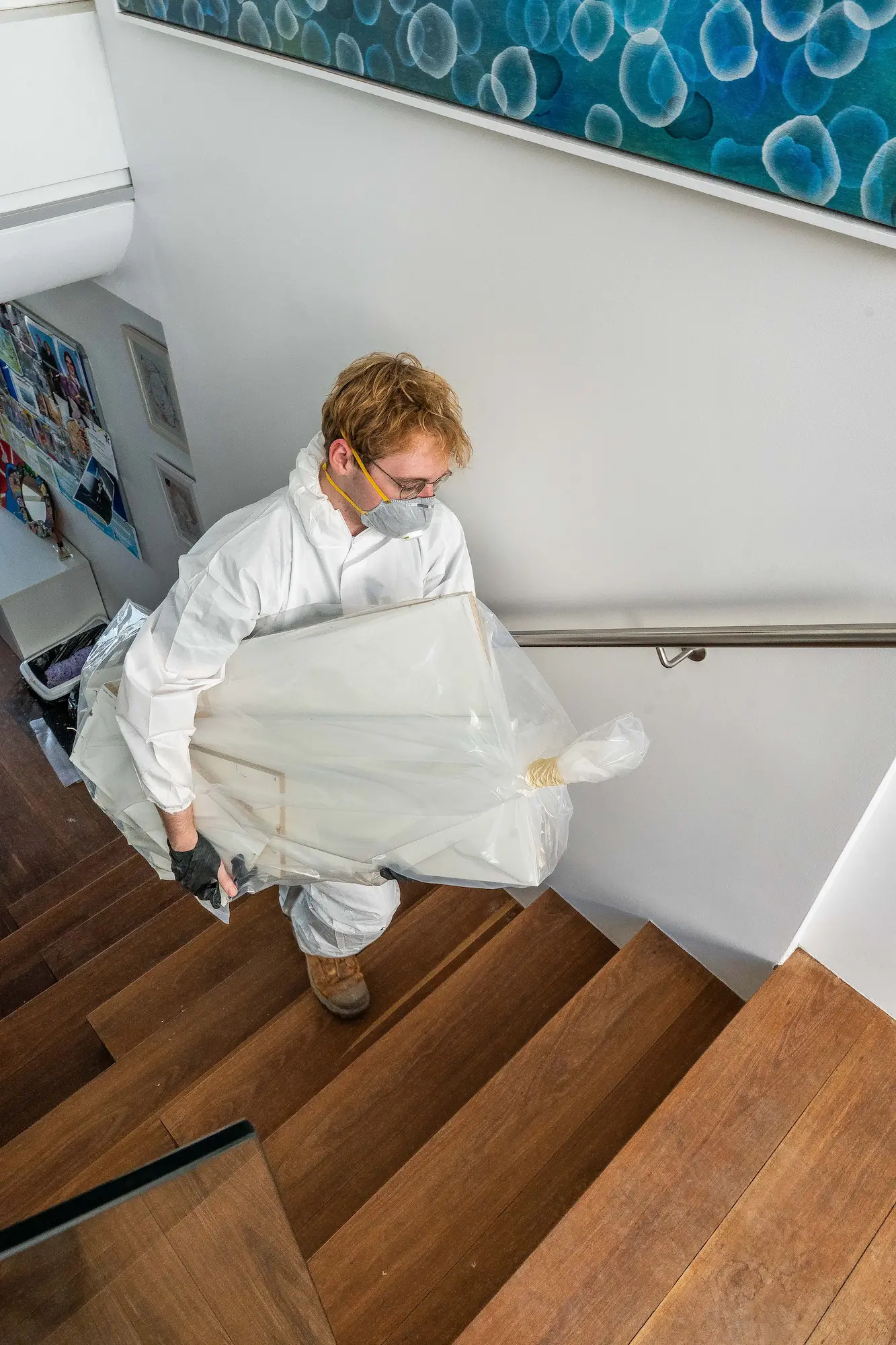
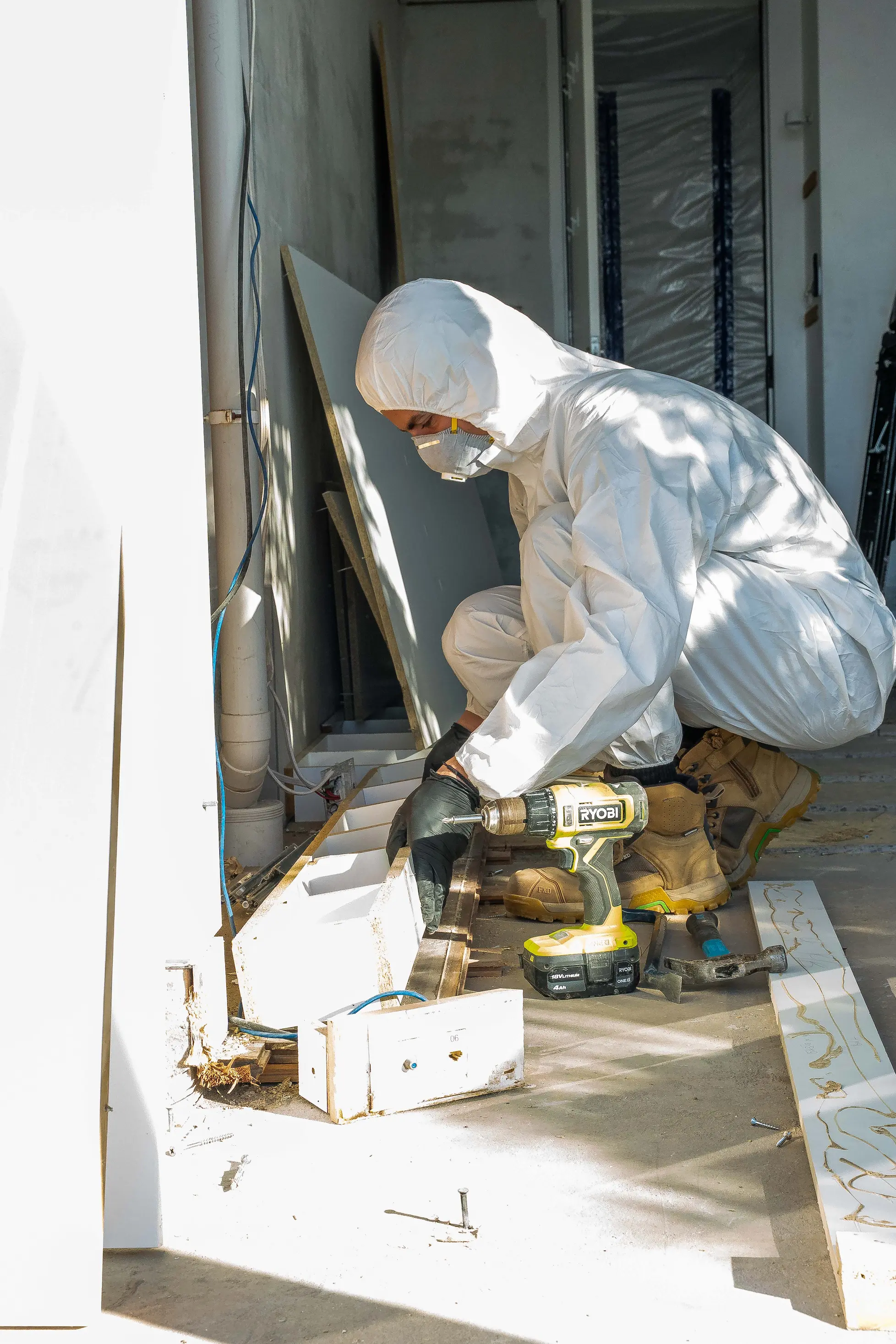
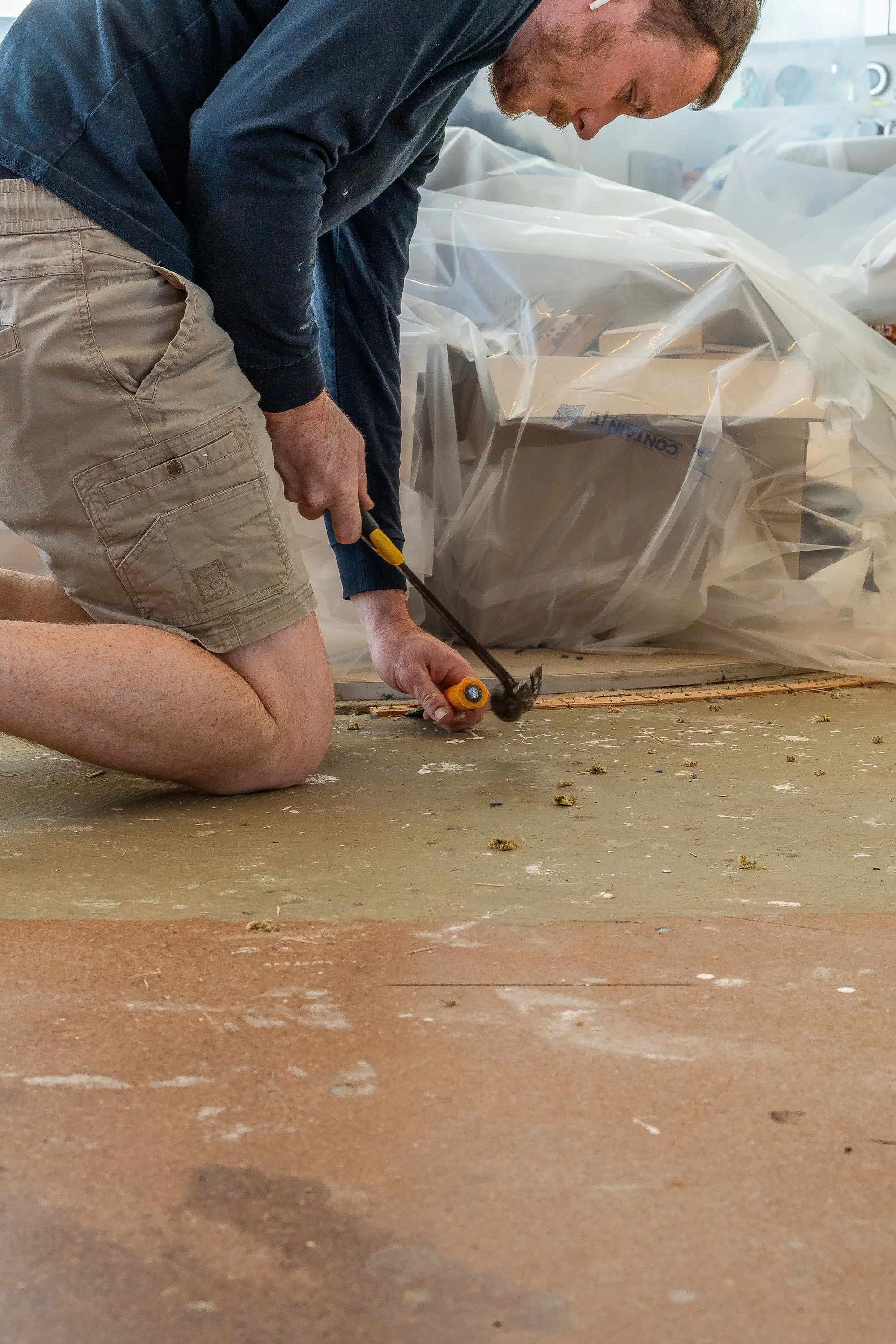
At a coastal home in South Coogee, mould had established beneath the floor covering. Surface cleaning would not have reached it. We stripped back to the slab, removed the affected materials under containment, and left the space ready for new flooring.
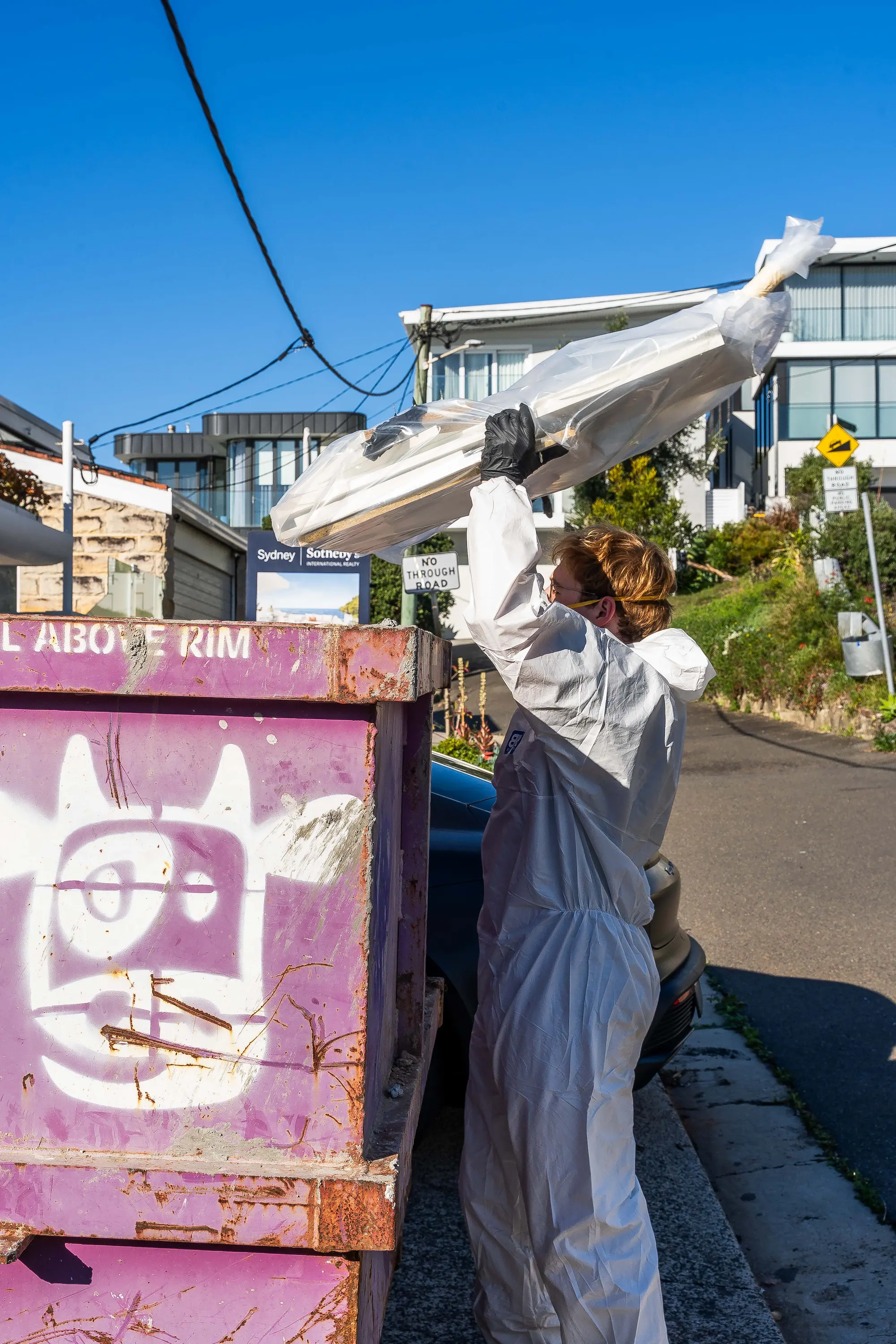
Floor coverings can hide contamination until they are lifted. Treating the finish alone leaves affected underlay and fittings behind, so those materials have to come out. In a lived-in house that means containing the strip-out, protecting belongings, and carrying sealed waste out along a controlled path.
Moisture Trapped Beneath the Floor
Coastal homes sit in persistently high humidity, with salt-laden air that holds moisture against finishes and condensation that often concentrates around large glazing. That trapped moisture commonly settles along floor edges and under coverings — conditions we outline further on our Coogee mould removal page.
Once humidity settles under a floor finish, the covering itself becomes part of the problem. The work has to open that layer to the slab so contamination can be taken out of the building, not locked in under a new surface.
Hidden behind finishes
The mould affected material under the floor covering, not only surfaces that were easy to see and wipe.
An occupied home
The strip-out had to be carried out with contents and unaffected areas protected throughout the works.
From Assessment to a Contained Strip-Out
The approach followed the same logic we apply across residential remediation: establish the true extent of the problem first, contain the work zone, remove what cannot be left in place, then clean thoroughly so the space is ready for reinstatement.
Source Removed, Home Protected, Space Ready
The outcome was practical rather than cosmetic: the under-floor contamination was taken out of the property, the rest of the home was kept protected during the works, and the stripped area was left clean for reinstatement.
Source removed, not covered
Affected materials under the floor covering were removed from the property, rather than relying on a surface treatment alone.
The rest of the home protected
Containment, content protection and controlled removal of sealed material to the skip limited disturbance to unaffected areas.
Ready for reinstatement
The work area was cleaned after remediation so the client could proceed with installing new flooring.
Residential Mould Removal
Specialist mould removal for Sydney homes — from surface treatment to full cavity remediation.
Learn MoreMould Removal Sydney
Professional mould removal services across Sydney using TGA-registered treatments and nanotechnology barrier protection.
Learn MoreCarpet & Flooring Mould Removal
Safe removal of mould from carpets, underlay, and hard flooring surfaces with HEPA vacuuming and treatment.
Learn MoreCommon Mould Problems in South Coogee
Beachside streets in South Coogee sit in high ambient humidity where salt air and condensation keep moisture against floor finishes longer than in inland homes — conditions that favour mould under coverings and along wall–floor junctions.
In South Coogee and neighbouring Eastern Suburbs coastal streets, elevated humidity and salt-laden air can keep slab and floor substrates damp. When a covering sits hard against that base, moisture has little path to dry out and mould can establish out of sight beneath the finish.
- Humidity retained between slab and floor covering
- Growth along skirtings and wall–floor junctions
- Underlay and tack strips that surface cleaning cannot reach
- Condensation at large glazed openings feeding nearby floor edges
What shows on the surface is often only part of the picture. Carpet, timber, vinyl and joinery can conceal contaminated material underneath. Until those layers are opened under containment, the full extent of affected materials stays unknown — and treating the finish alone cannot remove what sits below.
- Contamination behind skirtings and joinery bases
- Coverings that need lifting to expose the slab
- Sealed removal of affected materials from an occupied home
- Protected exit routes so the rest of the dwelling stays usable
Specialist knowledge of South Coogee's environmental conditions and building styles.
Tested & Certified Standards
Every process and solution we deploy is backed by rigorous testing and industry-leading certifications, ensuring the highest level of safety and efficacy.
Nanotise is an IICRC-accredited water restoration and mould remediation company. We follow IICRC standards and the ANSI/IICRC S520 Standard for Professional Mould Remediation on every project. All Nanotise permanent employees — including our support staff — hold IICRC Water Restoration (WRT) and S520 mould remediation certification.
Nanotise is an IICRC-accredited water restoration and mould remediation company. We follow IICRC standards and the ANSI/IICRC S520 Standard for Professional Mould Remediation on every project. All Nanotise permanent employees — including our support staff — hold IICRC Water Restoration (WRT) and S520 mould remediation certification.
Our advanced disinfection protocols utilize hospital-grade solutions fully registered with the Therapeutic Goods Administration (TGA). Each agent has undergone rigorous laboratory validation to ensure maximum efficacy against a broad spectrum of pathogens, including SARS-CoV-2, MRSA, and VRE, maintaining compliance with the highest Australian healthcare safety benchmarks and ARTG listing requirements.
We deploy cutting-edge antimicrobial nanocoatings that establish a semi-permanent molecular barrier on high-touch surfaces. Utilizing physical-mechanical destruction via "nano-swords," this technology eliminates 99.99% of bacteria and viruses upon contact for up to six months. This proactive approach significantly reduces reliance on corrosive chemicals while providing continuous, 24/7 protection in high-traffic environments.
To ensure total transparency and measurable hygiene, we implement Adenosine Triphosphate (ATP) bioluminescence monitoring. By measuring Relative Light Units (RLU) on site, we provide objective, data-driven validation of surface cleanliness that goes beyond visual inspection. This forensic-level auditing allows for real-time adjustments to sanitation protocols, ensuring all critical zones meet clinical-grade sterility standards.
Our commitment to environmental stewardship is integrated into every process through the use of GECA-certified, biodegradable, and non-toxic cleaning agents. We prioritize sustainable chemistry—minimizing Volatile Organic Compounds (VOCs) and eliminating phosphates—to protect indoor air quality and local ecosystems. This ensures a safe, hypoallergenic environment for occupants without compromising industrial-strength performance.
Proudly supporting national industry, our core solutions and logistics are certified Australian Made. This guarantee ensures that our products undergo "Substantial Transformation" within local facilities, adhering to the stringent manufacturing quality controls and ethical labor standards unique to the Australian regulatory landscape. By choosing local, we ensure supply chain resilience and contribute directly to the Australian economy.
IICRC-accredited · ANSI/IICRC S520 Standard
Alex Ross
Business Development Manager
Similar Mould Challenge?
Whether it's a residential property, commercial building, or hospitality venue affected by water damage and mould, our team can develop a tailored solution. Contact us to discuss your project.