Professional Mould Removal Kensington
Kensington sits directly against the University of New South Wales, and the streets around Doncaster Avenue, Todman Avenue and Day Avenue form one of the densest student-rental pockets in the Eastern Suburbs. Older brick walk-up blocks and subdivided houses let out room by room stay occupied for long stretches, which keeps indoor humidity high in bedrooms and built-in wardrobes. Nanotise treats this housing stock from our Kingsford office, a short run along Anzac Parade.
Condensation on cold brick walls, closed bedroom doors in share houses, and limited airflow through built-in robes are the conditions we see most often. Mould frequently surfaces at end-of-lease cleans and routine agent inspections, when a vacant room finally gets a proper look. Landlords and managing agents book us for discreet treatment between tenancies, working around inspection dates and changeover windows.
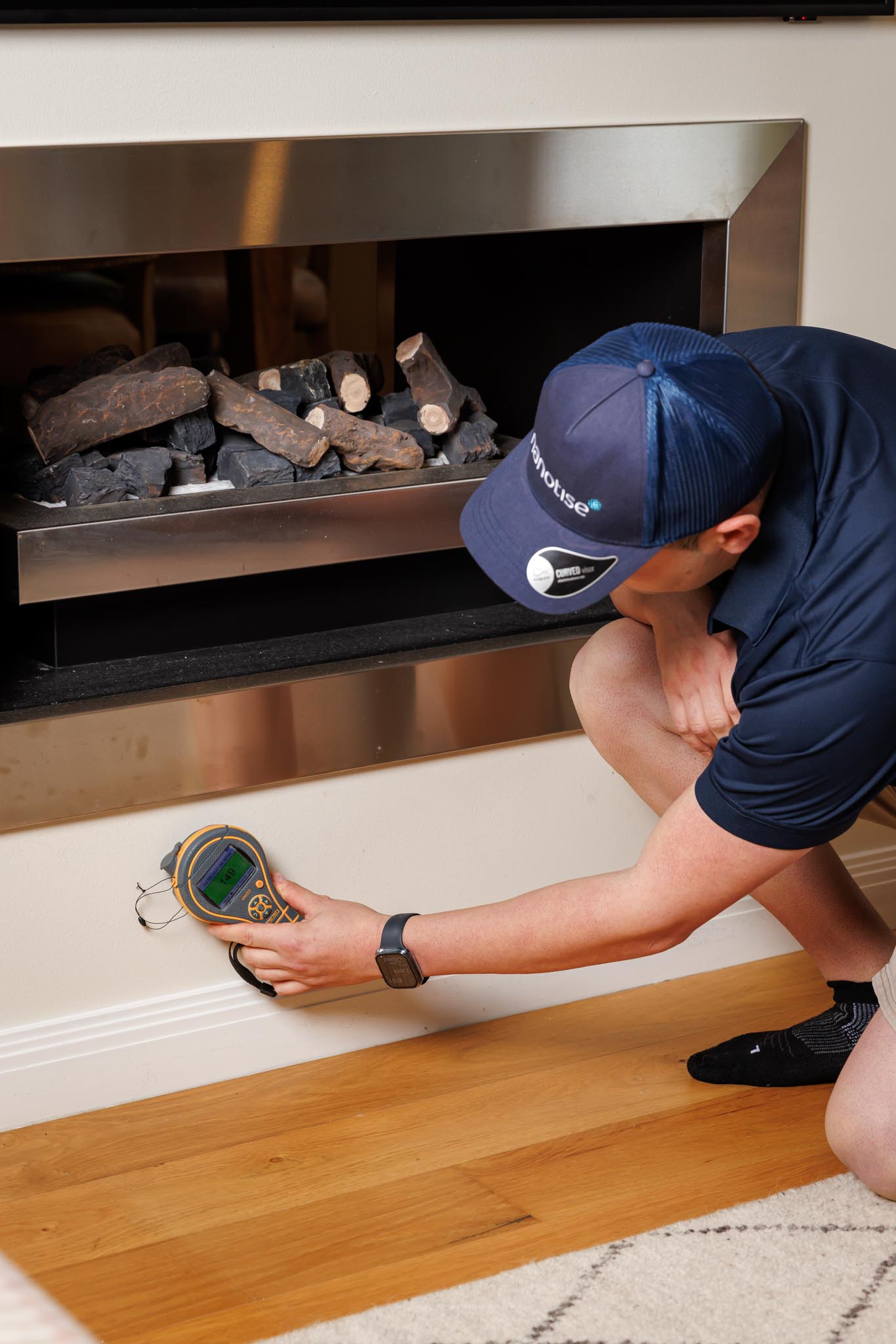
Protecting Kensington homes from mould
Why Nanotise?
At Nanotise, we take mould seriously – and we think you should too.
Visible mould may only represent a small part of the problem; if underlying causes and hidden mould colonies are not identified and treated, then your time and money could be wasted.
A bad remediator can make your existing mould problem worse by misdiagnosing the underlying problem, not putting in place proper controls to stop the spread of mould during treatment, or using ineffective processes for killing and removing mould spores.
Common Mould Problems in Kensington
Kensington's unique geography and architecture create specific mould challenges that require local expertise.
Houses along Addison Street, Boronia Street and Lenthall Street are often subdivided room by room for students. High occupancy, drying laundry indoors, and bedrooms used as study spaces keep humidity sitting in the rooms where people sleep.
- Share-house bedrooms with doors kept shut against noise and study
- Built-in wardrobes trapping condensation against cold brick
- Indoor clothes drying in bathrooms and hallways
- Rooms that stay occupied through winter with windows rarely opened
Brick walk-up blocks along Anzac Parade, Kensington Road and Cottenham Avenue often have shared stairwells, single-aspect flats and bathrooms with little cross-ventilation. Mould that tenants live with through a lease commonly appears on inspection reports at changeover.
- Single-aspect apartments with limited cross-breeze
- Condensation on uninsulated brick walls in south-facing rooms
- Managing agents needing treatment between outgoing and incoming tenants
- Landlords addressing mould notes on routine inspection reports
Specialist knowledge of Kensington's environmental conditions and building styles.
Official Google Maps Listing for Nanotise
Why Kensington Properties Need Treatment
Environmental Factors
Kensington sits inland of the beaches but still picks up moist easterly air, and the tight street pattern of walk-ups and share houses holds that moisture indoors. Occupancy itself is the local driver: rooms in use day and night, with little chance for the building fabric to dry.
- Moist easterly air sitting against brick walk-up facades
- Bedrooms used as study spaces with windows kept closed
- Limited drying time between occupants in high-turnover rentals
- Condensation on cold masonry in south-facing rooms
Property Values
Kensington's rental properties are tied to the university calendar and to managing agents who need rooms ready for the next tenancy. Untreated mould on an inspection report can delay a lease, feed tenant complaints, and leave landlords dealing with the same rooms again at the next changeover.
- End-of-lease inspection reports flagging mould in bedrooms and robes
- Managing agents scheduling treatment in vacant periods
- Landlords preparing rooms for the next student intake
- Rental properties needing documentation for tenancy files
Health & Occupancy
Student share houses pack several people into older brick stock. Condensation in bedrooms and wardrobes puts mould close to where occupants sleep and store clothes, which matters for anyone already dealing with asthma or allergies.
- Occupied bedrooms with poor airflow overnight
- Mould on clothing and shoes stored in built-in robes
- Shared bathrooms used by several tenants in a subdivided house
- Incoming tenants reporting musty rooms at the start of a lease
Specialised Kensington Services
01Student Rental and Share-House Treatment
We work through the rooms that student houses actually use: bedrooms, built-in wardrobes and bathrooms in subdivided houses near UNSW. Treatment is planned around occupancy, vacant rooms and the dates managing agents give us.
- Bedroom and wardrobe treatment in share houses
- Coordination with managing agents around inspection dates
- Room-by-room assessment in subdivided houses
02Walk-up Apartment and Changeover Work
Brick walk-up flats along the Anzac Parade corridor often need treatment in a short vacant window. We inspect, treat the affected rooms and provide a written record for the landlord or agent.
- Treatment scheduled between tenancies
- Written findings for landlords and property managers
- Focus on condensation-prone bedrooms and bathrooms
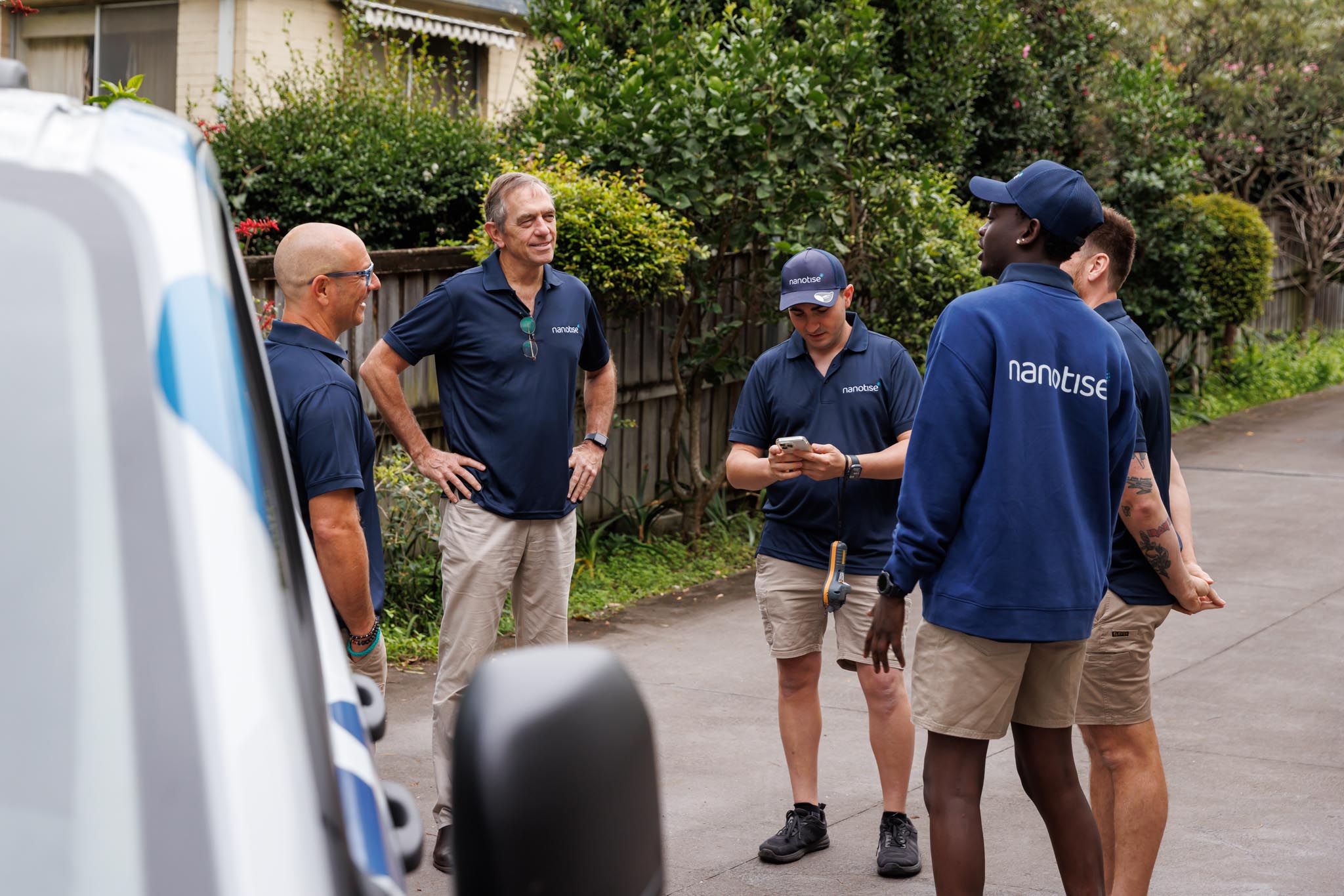
Tested & Certified Standards
Every process and solution we deploy is backed by rigorous testing and industry-leading certifications, ensuring the highest level of safety and efficacy.
Our advanced disinfection protocols utilize hospital-grade solutions fully registered with the Therapeutic Goods Administration (TGA). Each agent has undergone rigorous laboratory validation to ensure maximum efficacy against a broad spectrum of pathogens, including SARS-CoV-2, MRSA, and VRE, maintaining compliance with the highest Australian healthcare safety benchmarks and ARTG listing requirements.
Our advanced disinfection protocols utilize hospital-grade solutions fully registered with the Therapeutic Goods Administration (TGA). Each agent has undergone rigorous laboratory validation to ensure maximum efficacy against a broad spectrum of pathogens, including SARS-CoV-2, MRSA, and VRE, maintaining compliance with the highest Australian healthcare safety benchmarks and ARTG listing requirements.
We deploy cutting-edge antimicrobial nanocoatings that establish a semi-permanent molecular barrier on high-touch surfaces. Utilizing physical-mechanical destruction via "nano-swords," this technology eliminates 99.99% of bacteria and viruses upon contact for up to six months. This proactive approach significantly reduces reliance on corrosive chemicals while providing continuous, 24/7 protection in high-traffic environments.
To ensure total transparency and measurable hygiene, we implement Adenosine Triphosphate (ATP) bioluminescence monitoring. By measuring Relative Light Units (RLU) on site, we provide objective, data-driven validation of surface cleanliness that goes beyond visual inspection. This forensic-level auditing allows for real-time adjustments to sanitation protocols, ensuring all critical zones meet clinical-grade sterility standards.
Our commitment to environmental stewardship is integrated into every process through the use of GECA-certified, biodegradable, and non-toxic cleaning agents. We prioritize sustainable chemistry—minimizing Volatile Organic Compounds (VOCs) and eliminating phosphates—to protect indoor air quality and local ecosystems. This ensures a safe, hypoallergenic environment for occupants without compromising industrial-strength performance.
Proudly supporting national industry, our core solutions and logistics are certified Australian Made. This guarantee ensures that our products undergo "Substantial Transformation" within local facilities, adhering to the stringent manufacturing quality controls and ethical labor standards unique to the Australian regulatory landscape. By choosing local, we ensure supply chain resilience and contribute directly to the Australian economy.
Committed to the highest Australian safety protocols
Frequently Asked Questions
Technical insights for Kensington property owners.
Kensington sits against UNSW, and many houses around Doncaster Avenue, Todman Avenue and Addison Street are let room by room. High occupancy, indoor drying and closed bedrooms keep humidity in the rooms where people sleep. Condensation then sits on cold brick and inside built-in wardrobes, which is where mould often shows at the end of a lease.
Yes. Landlords and managing agents often book us in the vacant period after an outgoing inspection. We work through the rooms noted on the report, typically bedrooms, robes and bathrooms, and leave a written record for the tenancy file.
We treat older brick walk-up flats along Anzac Parade, Kensington Road and Cottenham Avenue. These buildings often have single-aspect rooms and limited ventilation, so we inspect for condensation on masonry and in bathrooms as well as any mould that has appeared in occupied bedrooms.
Absolutely. At Nanotise, we use hospital-grade, TGA-registered solutions and advanced nanotechnology that is non-toxic once the treatment is complete. Our 'Chlorine Dioxide' gassing process leaves zero residual toxicity.
Yes. Every forensic inspection includes a detailed digital report outlining our findings with moisture readings, photographic evidence, and a precise, itemised scope of work.
Most residential projects are completed within 1 to 3 days. This includes containment setup, active removal, and our CRX long-term protection application.
Our CRX nanotechnology creates a semi-permanent antimicrobial barrier. Combined with addressing underlying moisture issues, we provide the most durable protection in the industry.
Yes, we frequently coordinate with North Shore strata managers and landlords, providing the professional documentation and compliance certification required.
For urgent enquiries call 1800 NANOTISE
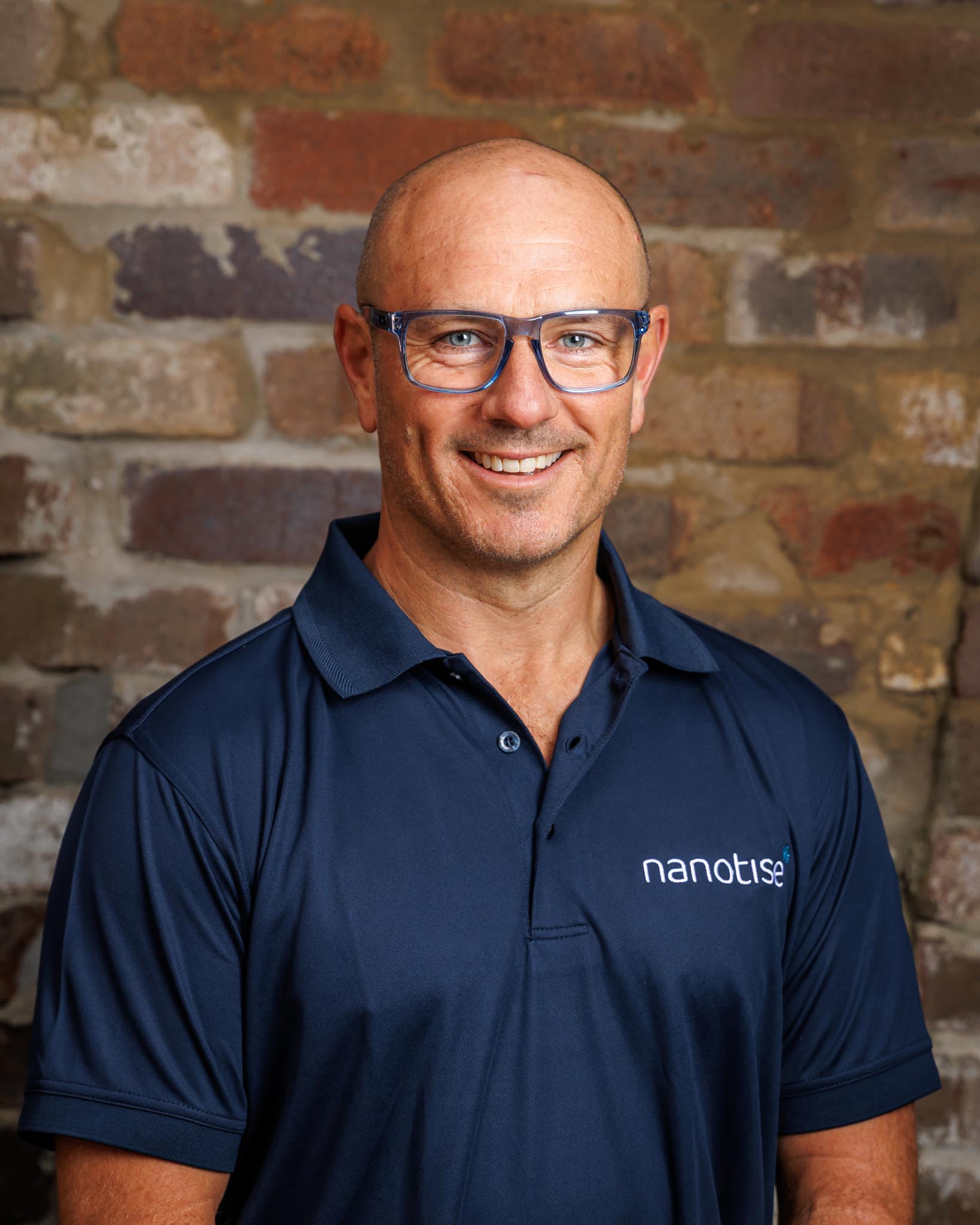
Alex Ross
Business Development Manager
Expert Assessment for Kensington
Call us now to discuss your Kensington property, or submit an inquiry to schedule a comprehensive forensic inspection.
Suburbs We Service in the Kensington
Nanotise provides expert mould removal and remediation services throughout the Kensington region, ensuring fast response times and local expertise.
Note: If your specific suburb is not listed above, please contact us. We provide full coverage across the entire Kensington and surrounding districts.
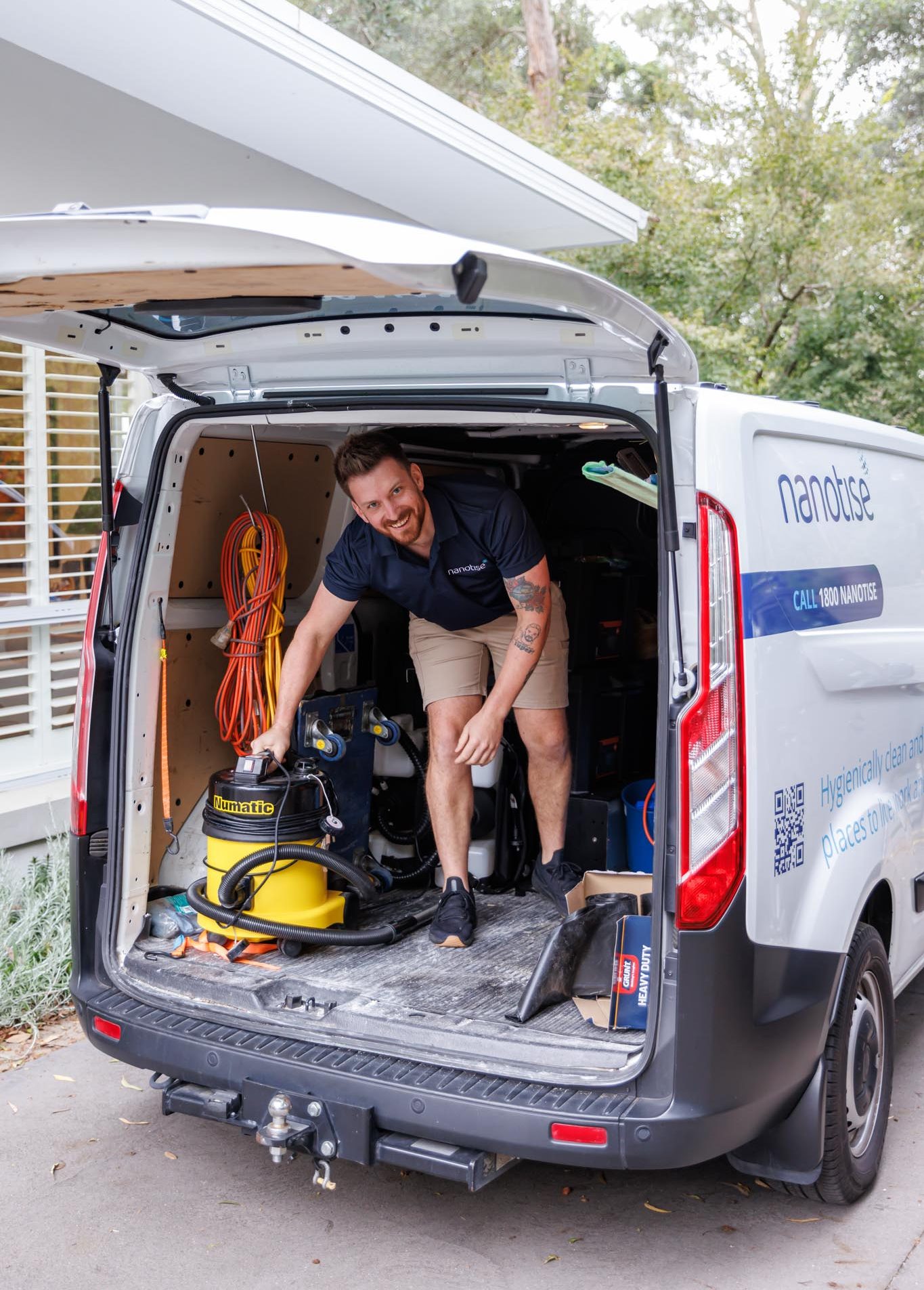
Need more information?