Professional Mould Removal Darling Point
Darling Point sits on a harbourside peninsula between Rushcutters Bay and Double Bay, with harbour humidity and salt air moving across the ridgeline along Darling Point Road, Yarranabbe Road and Greenoaks Avenue. The housing stock is a mix of heritage houses, period apartments and later strata buildings, many of them close to the water at McKell Park and the Darling Point shoreline. Nanotise attends from our Randwick office, treating this suburb as careful, low-disruption work in occupied residences.
Period houses here often have original subfloors, sandstone or brick footings, and rooms that sit close to harbour moisture. Rising damp and a persistently damp subfloor show as staining at skirting level, musty joinery and mould in lower rooms that do not catch the breeze. In the older apartment buildings along Bennett Avenue and Thornton Street, we work with owners and building managers who want the lot treated quietly, without turning a private residence into a worksite.
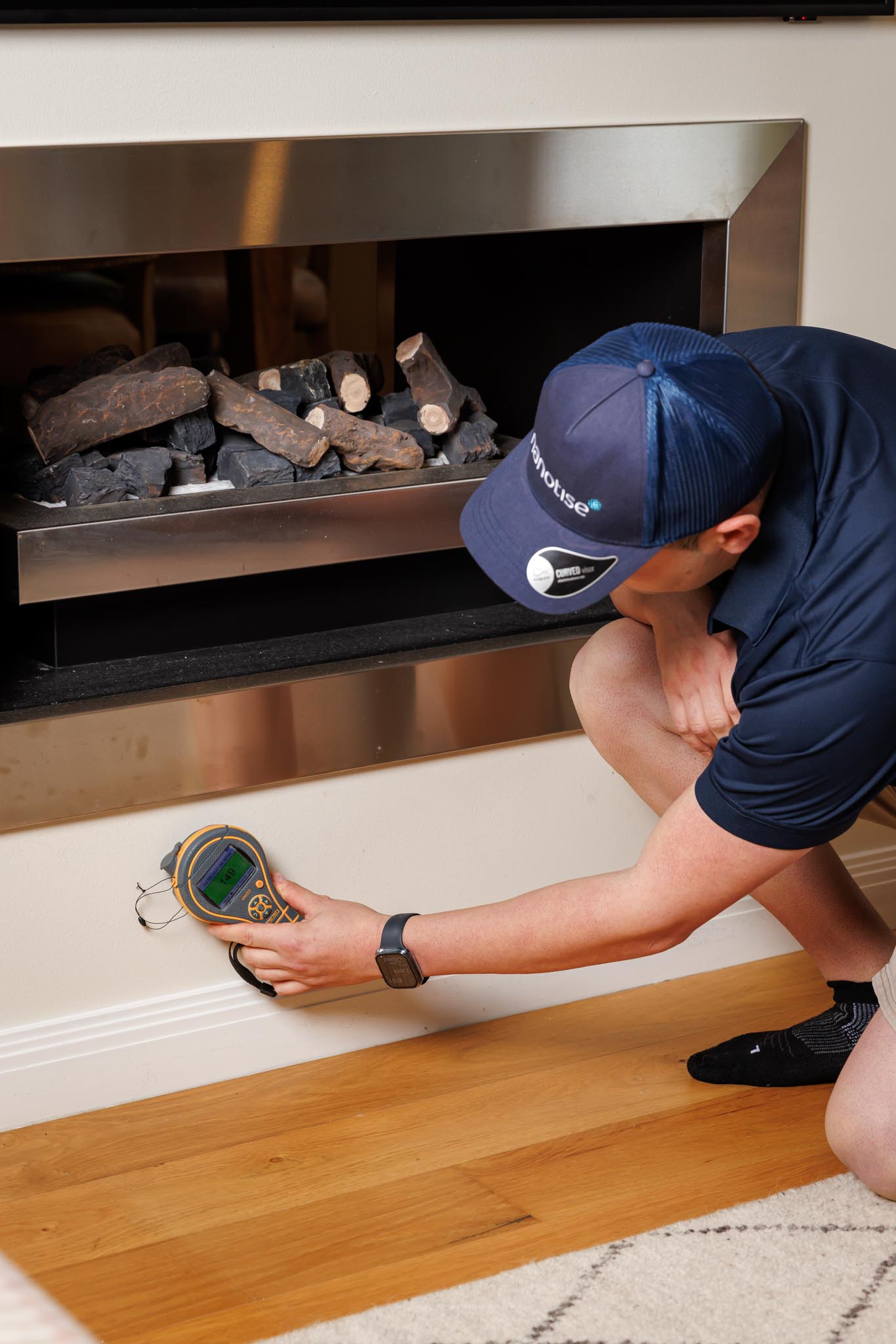
Protecting Darling Point homes from mould
Why Nanotise?
At Nanotise, we take mould seriously – and we think you should too.
Visible mould may only represent a small part of the problem; if underlying causes and hidden mould colonies are not identified and treated, then your time and money could be wasted.
A bad remediator can make your existing mould problem worse by misdiagnosing the underlying problem, not putting in place proper controls to stop the spread of mould during treatment, or using ineffective processes for killing and removing mould spores.
Common Mould Problems in Darling Point
Darling Point's unique geography and architecture create specific mould challenges that require local expertise.
Harbour air is moist year-round, and salt in that air sits on external joinery, window reveals and masonry. Heritage houses on Darling Point Road and Etham Avenue often combine that exposure with original construction that was never designed to shed modern indoor moisture.
- Harbour-facing rooms with salt air on window frames and sills
- Original joinery and plaster picking up persistent humidity
- Lower-ground rooms that sit in the damp air off the water
- Limited opening of windows in occupied, furnished residences
Many Darling Point houses sit on subfloors that stay damp, especially where sandstone, brick and poor underfloor airflow meet harbour moisture. Established apartment buildings add a second pattern: mould in a lot that may connect to a shared wall, a wet stack, or a building envelope the owners corporation has to consider.
- Rising damp at skirting boards and lower wall plaster
- Subfloor moisture in period houses with limited underfloor ventilation
- Strata lots in older apartment buildings needing discreet access
- Building managers wanting a clear record without disruption to neighbours
Specialist knowledge of Darling Point's environmental conditions and building styles.
Official Google Maps Listing for Nanotise
Why Darling Point Properties Need Treatment
Environmental Factors
Darling Point is surrounded by harbour on three sides. Moist, salt-bearing air moves up from Rushcutters Bay and the eastern shore, and shaded gardens and north-south streets hold that humidity against masonry and timber.
- Harbour humidity sitting against waterfront and hillside houses
- Salt air on external joinery and window reveals
- Shaded subfloors that stay damp through cooler months
- Masonry and plaster in period construction holding moisture
Property Values
Owners and building managers typically want mould assessed and treated with as little disruption as possible, and with a written account they can keep with the property or strata file.
- Discreet inspection for owners of heritage houses
- Written findings for building managers and strata records
- Low-disruption access in occupied residences
- Pre-sale or pre-settlement inspection of period fabric
Health & Occupancy
Harbour moisture and older construction put mould in living rooms, bedrooms and lower-ground spaces that are used every day. Occupants in heritage houses and older apartments are often in the property while we work, so the approach is inspection, contained treatment and clear communication, not a disruptive strip-out as a first step.
- Musty lower rooms and subfloor air entering living spaces
- Occupied heritage interiors needing contained work
- Older apartments with limited natural ventilation
- Owners wanting indoor air and visible growth addressed together
Specialised Darling Point Services
01Heritage and Period Home Treatment
We inspect the building fabric first: skirtings, subfloor, window reveals and rooms that sit against harbour moisture. Treatment is then planned around original plaster, timber and joinery, with access agreed so the house can stay in use.
- Subfloor and rising-damp inspection in period houses
- Treatment planned around original joinery and plaster
- Contained work in occupied, furnished rooms
02Discreet Strata and Residence Work
In established apartment buildings and private houses, we keep plant, access and working hours agreed in advance with the owner or building manager. The aim is a quiet, methodical treatment of the affected areas, not a visible construction project.
- Coordinated access with owners and building managers
- Lot-level treatment with notes for the strata file
- Low-disruption sequencing in occupied residences

Tested & Certified Standards
Every process and solution we deploy is backed by rigorous testing and industry-leading certifications, ensuring the highest level of safety and efficacy.
Our advanced disinfection protocols utilize hospital-grade solutions fully registered with the Therapeutic Goods Administration (TGA). Each agent has undergone rigorous laboratory validation to ensure maximum efficacy against a broad spectrum of pathogens, including SARS-CoV-2, MRSA, and VRE, maintaining compliance with the highest Australian healthcare safety benchmarks and ARTG listing requirements.
Our advanced disinfection protocols utilize hospital-grade solutions fully registered with the Therapeutic Goods Administration (TGA). Each agent has undergone rigorous laboratory validation to ensure maximum efficacy against a broad spectrum of pathogens, including SARS-CoV-2, MRSA, and VRE, maintaining compliance with the highest Australian healthcare safety benchmarks and ARTG listing requirements.
We deploy cutting-edge antimicrobial nanocoatings that establish a semi-permanent molecular barrier on high-touch surfaces. Utilizing physical-mechanical destruction via "nano-swords," this technology eliminates 99.99% of bacteria and viruses upon contact for up to six months. This proactive approach significantly reduces reliance on corrosive chemicals while providing continuous, 24/7 protection in high-traffic environments.
To ensure total transparency and measurable hygiene, we implement Adenosine Triphosphate (ATP) bioluminescence monitoring. By measuring Relative Light Units (RLU) on site, we provide objective, data-driven validation of surface cleanliness that goes beyond visual inspection. This forensic-level auditing allows for real-time adjustments to sanitation protocols, ensuring all critical zones meet clinical-grade sterility standards.
Our commitment to environmental stewardship is integrated into every process through the use of GECA-certified, biodegradable, and non-toxic cleaning agents. We prioritize sustainable chemistry—minimizing Volatile Organic Compounds (VOCs) and eliminating phosphates—to protect indoor air quality and local ecosystems. This ensures a safe, hypoallergenic environment for occupants without compromising industrial-strength performance.
Proudly supporting national industry, our core solutions and logistics are certified Australian Made. This guarantee ensures that our products undergo "Substantial Transformation" within local facilities, adhering to the stringent manufacturing quality controls and ethical labor standards unique to the Australian regulatory landscape. By choosing local, we ensure supply chain resilience and contribute directly to the Australian economy.
Committed to the highest Australian safety protocols
Frequently Asked Questions
Technical insights for Darling Point property owners.
Darling Point faces Sydney Harbour, not the open Pacific. The air is still moist and carries salt, but the pattern is harbour humidity against masonry, joinery and subfloors, rather than beachfront salt spray. Houses along Yarranabbe Road and around McKell Park sit in that harbourside air, and lower rooms and subfloors often stay damp even when the upper floors feel dry.
We start with inspection of the subfloor, skirtings and lower walls, then treat what we can reach without opening the house up as a first step. Where original plaster or joinery is involved, we discuss access with the owner before any fabric is disturbed. The work is planned around the building, not around a standard strip-out.
Yes. Older strata buildings along Darling Point Road, Bennett Avenue and Thornton Street are occupied, private residences. We agree access, working hours and where we can set up with the owner or building manager, treat the lot we are engaged for, and leave a written record for the strata file.
Absolutely. At Nanotise, we use hospital-grade, TGA-registered solutions and advanced nanotechnology that is non-toxic once the treatment is complete. Our 'Chlorine Dioxide' gassing process leaves zero residual toxicity.
Yes. Every forensic inspection includes a detailed digital report outlining our findings with moisture readings, photographic evidence, and a precise, itemised scope of work.
Most residential projects are completed within 1 to 3 days. This includes containment setup, active removal, and our CRX long-term protection application.
Our CRX nanotechnology creates a semi-permanent antimicrobial barrier. Combined with addressing underlying moisture issues, we provide the most durable protection in the industry.
Yes, we frequently coordinate with North Shore strata managers and landlords, providing the professional documentation and compliance certification required.
For urgent enquiries call 1800 NANOTISE

Alex Ross
Business Development Manager
Expert Assessment for Darling Point
Call us now to discuss your Darling Point property, or submit an inquiry to schedule a comprehensive forensic inspection.
Suburbs We Service in the Darling Point
Nanotise provides expert mould removal and remediation services throughout the Darling Point region, ensuring fast response times and local expertise.
Note: If your specific suburb is not listed above, please contact us. We provide full coverage across the entire Darling Point and surrounding districts.

Need more information?